Airlines Face Widebody Aircraft Shortage as Backlogs Stretch Into 2030s
Manufacturers struggle to keep pace with demand as supply chain constraints and production delays leave carriers unable to expand fleets or retire aging aircraft on schedule.
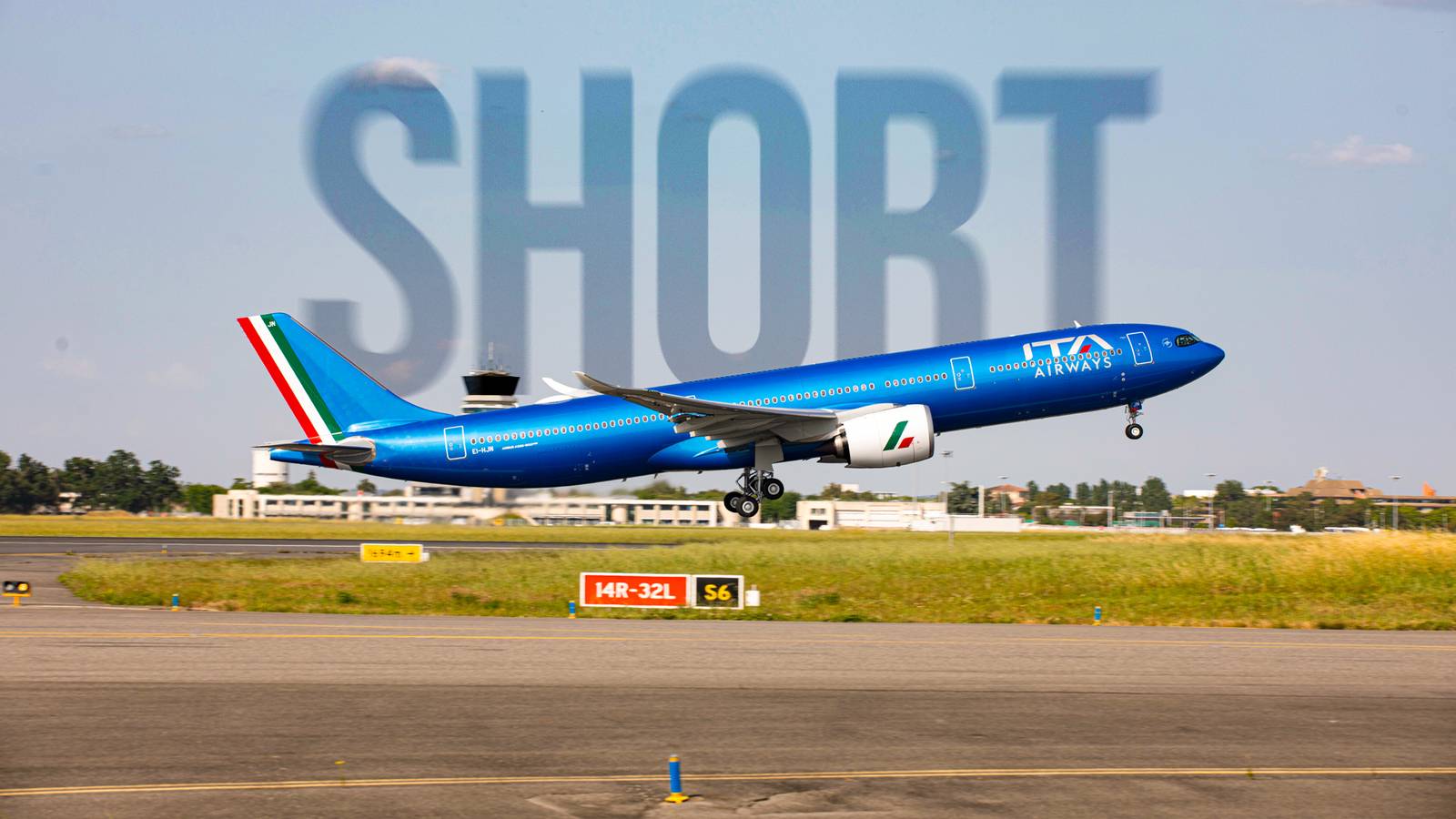
The aviation industry is confronting a widebody aircraft supply crunch, with current production backlogs extending well into the next decade and leaving airlines with few options for expanding long-haul capacity in the near term.
According to industry data, Airbus and Boeing collectively hold orders for approximately 3,000 widebody aircraft across their current product lines. Airbus has 298 A330neos and 870 A350s awaiting delivery, while Boeing's backlog includes 1,145 787 Dreamliners, 657 777X variants, and 41 777 freighters. With existing production schedules, these aircraft are effectively sold out through the remainder of this decade, forcing carriers seeking additional widebodies to turn to leasing companies or the secondary market.
Production constraints have emerged as the primary bottleneck. Airbus is reportedly building four A330neos monthly and won't increase that rate to five until 2029. The A350 program faces similar limitations—the manufacturer had targeted ten aircraft per month for 2026 but remains stuck at six units due to supply chain disruptions. Airbus now aims to reach twelve A350s monthly by 2028. Boeing is producing eight 787s per month with aspirations to reach ten, though the timeline for that increase remains unclear.
The shortage has been exacerbated by the prolonged delay of Boeing's 777X, which has been pushed back more than six years from its original delivery schedule. This delay has proven particularly problematic for launch customers who had planned fleet strategies around the aircraft's arrival.
The mismatch between supply and demand is forcing airlines to defer fleet renewal initiatives and limit expansion plans even as travel demand continues climbing in the post-pandemic environment. Unlike narrowbody production, which generally meets market needs despite engine supply constraints, the widebody segment offers carriers little flexibility for near-term growth.
Industry observers see few indications that the underlying factors driving these delays—including supply chain bottlenecks and manufacturing capacity limitations—will resolve quickly, suggesting the widebody shortage may persist for several more years as older aircraft age out of service faster than replacements can arrive.