Airlines Eliminate Award Chart Loopholes as Loyalty Programs Tighten
Major carriers including United Airlines have closed off several long-standing frequent flyer program exploits that enabled savvy travelers to access premium cabins at reduced mileage costs.
The era of exploiting airline loyalty program loopholes appears to be drawing to a close as carriers implement sweeping restrictions designed to protect premium cabin revenue. Several major airlines have recently terminated features that allowed knowledgeable travelers to access business and first-class seats for a fraction of their typical cost.
United Airlines executed two significant program changes that reshaped its MileagePlus offering. The carrier discontinued its Excursionist Perk on August 21, 2025, eliminating a feature that permitted members to add a complimentary one-way flight within the middle region of a three-region itinerary. The perk had enabled creative routing strategies, such as flying to Tokyo, adding a free side trip to Seoul, then continuing onward to another Asian city without additional mileage charges.
Three months later, on November 24, 2025, United removed instant upgrade privileges on full-fare economy tickets. The previous system allowed passengers purchasing unrestricted economy fares to receive immediate confirmation into premium cabins when inventory existed. The airline replaced this predictable structure with a waitlist system governed by revenue management algorithms rather than customer loyalty status.
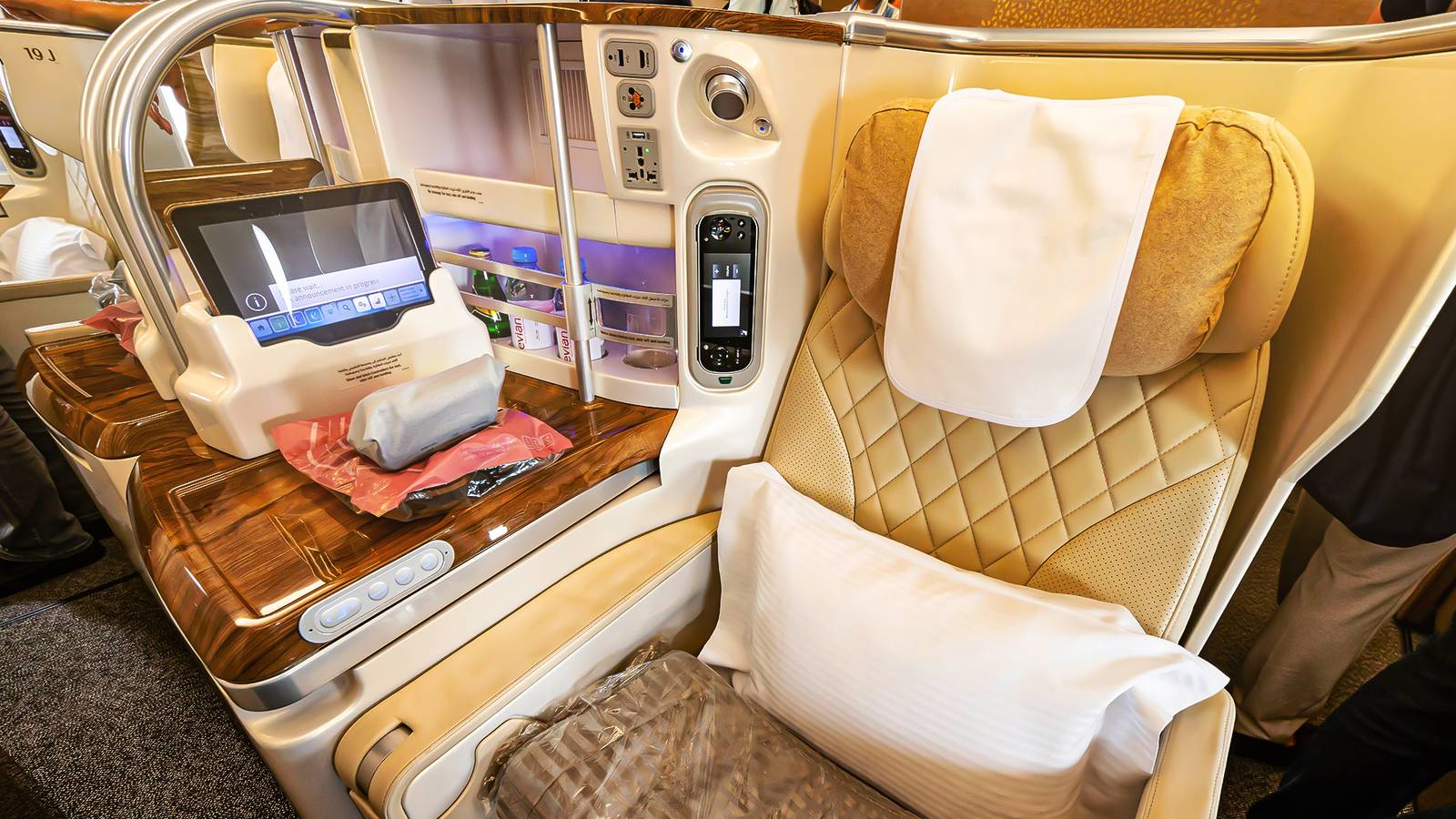
Emirates has also restricted access to its first-class award inventory, limiting availability to elite-tier members only. These modifications represent what industry observers characterize as defensive measures aimed at preserving the profitability of premium seating. By closing off routes that circumvented standard award pricing, airlines are compelling travelers to either pay cash fares or redeem points at higher thresholds established through dynamic pricing models.
The transformation marks a fundamental shift in the relationship between airlines and their most dedicated customers. What was once a system where deep program knowledge provided access to outsized value has evolved into a more restricted environment where top-tier elites receive preferential treatment while general members face diminished redemption opportunities. For frequent flyers who invested years mastering program intricacies, these closures eliminate advantages that were central to their travel strategies.
Plan this trip
Here's what it costs.