Airbus Files Patent for Motorized Lie-Flat Business Seat
The European manufacturer has proposed a new business class seat design featuring single-motor operation and privacy doors, aiming to deliver premium comfort in denser cabin configurations across both widebody and narrowbody aircraft.
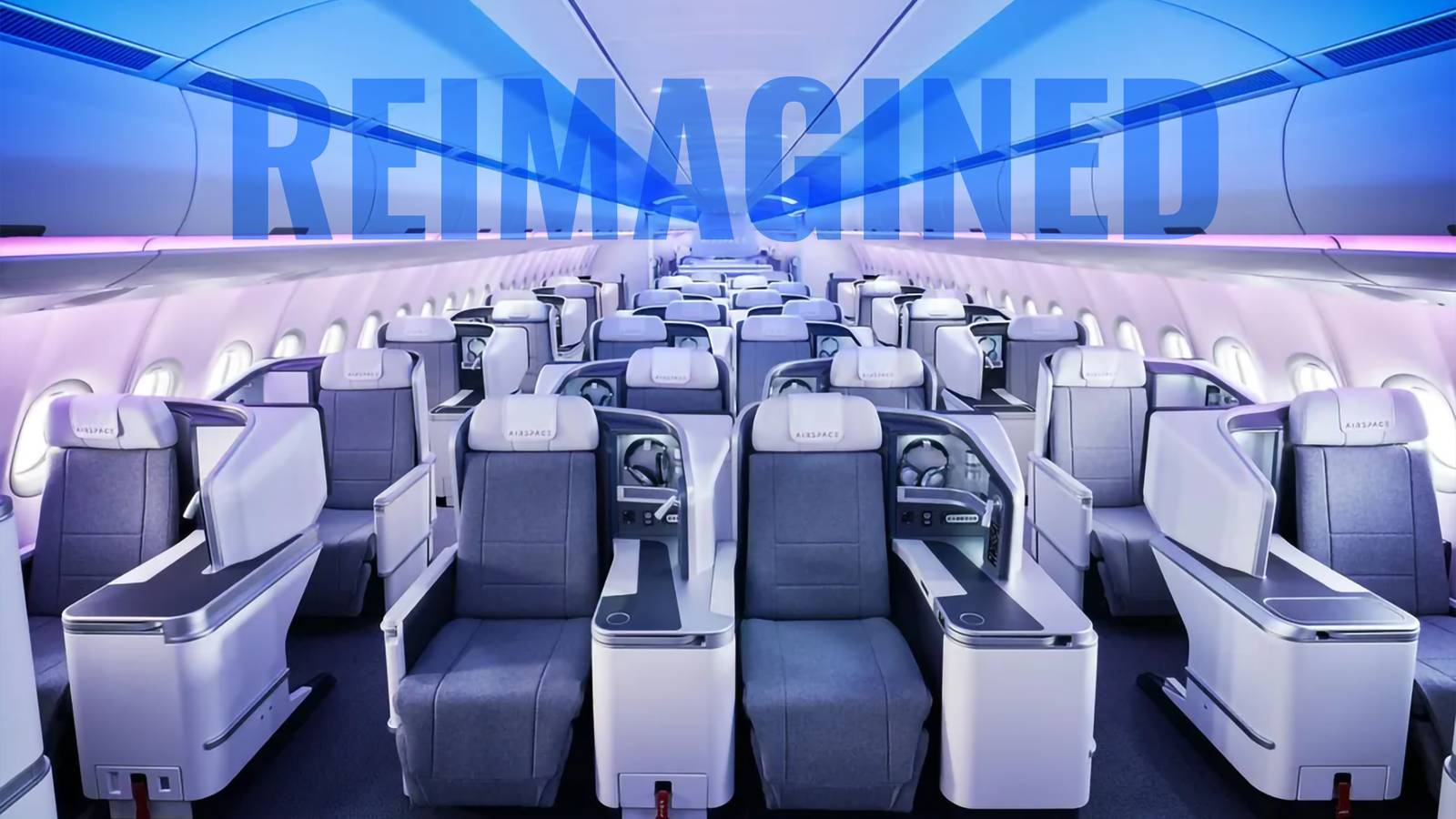
Airbus has submitted a patent application for a business class seat that transforms from upright to lie-flat position using a single-motor system, according to a recent filing. The design represents the manufacturer's effort to expand premium seating options as airlines increasingly prioritize high-margin cabin products.
The proposed seat unit features a synchronized seat pan and backrest that move together during recline, powered by one motor. Each unit includes privacy elements such as a rear partition, side panels, and sliding doors. The configuration can accommodate seats arranged either side-by-side or in grouped layouts, and the design is intended for installation on both single-aisle and widebody aircraft.
Airlines operating Airbus fleets have reportedly been requesting more luxurious seating solutions to meet growing demand for premium travel. The product segment has demonstrated resilience for carriers, with business and first class cabins maintaining stronger margins despite broader industry challenges including macroeconomic pressures and operational constraints.
The shift toward premium cabins reflects changing passenger behavior, as travelers increasingly seek comfort, privacy, and workspace on long-haul flights. Hybrid work arrangements have enabled passengers to combine business and leisure travel, making amenities such as lie-flat seating, power outlets, and connectivity more valuable. Airlines have responded by enhancing business class products with enclosed suites, upgrading premium economy offerings, and improving ground services including lounges and catering.
From an airline economics perspective, premium seats generate higher revenue per square foot compared to economy class, while attracting less price-sensitive customers. The passenger segment also benefits from loyalty program dynamics, with credit card partnerships and frequent flyer benefits driving consistent demand. Constrained aircraft supply and crew availability have helped maintain premium pricing power on long-haul routes and at capacity-limited airports.
The patent filing signals Airbus's intention to provide carriers with denser premium cabin options that maximize the number of high-yield seats without requiring larger aircraft. As the competitive landscape for premium travel intensifies, manufacturers are racing to deliver seating solutions that balance passenger comfort with airline profitability.
Plan this trip
Here's what it costs.