1978 Military Exercise Saw Helicopters Achieve 5:1 Kill Ratio Against Fighter Jets
Declassified Cold War-era trials revealed attack helicopters could dominate close-range combat against advanced jets including the F-15 Eagle when using Soviet-inspired tactics.
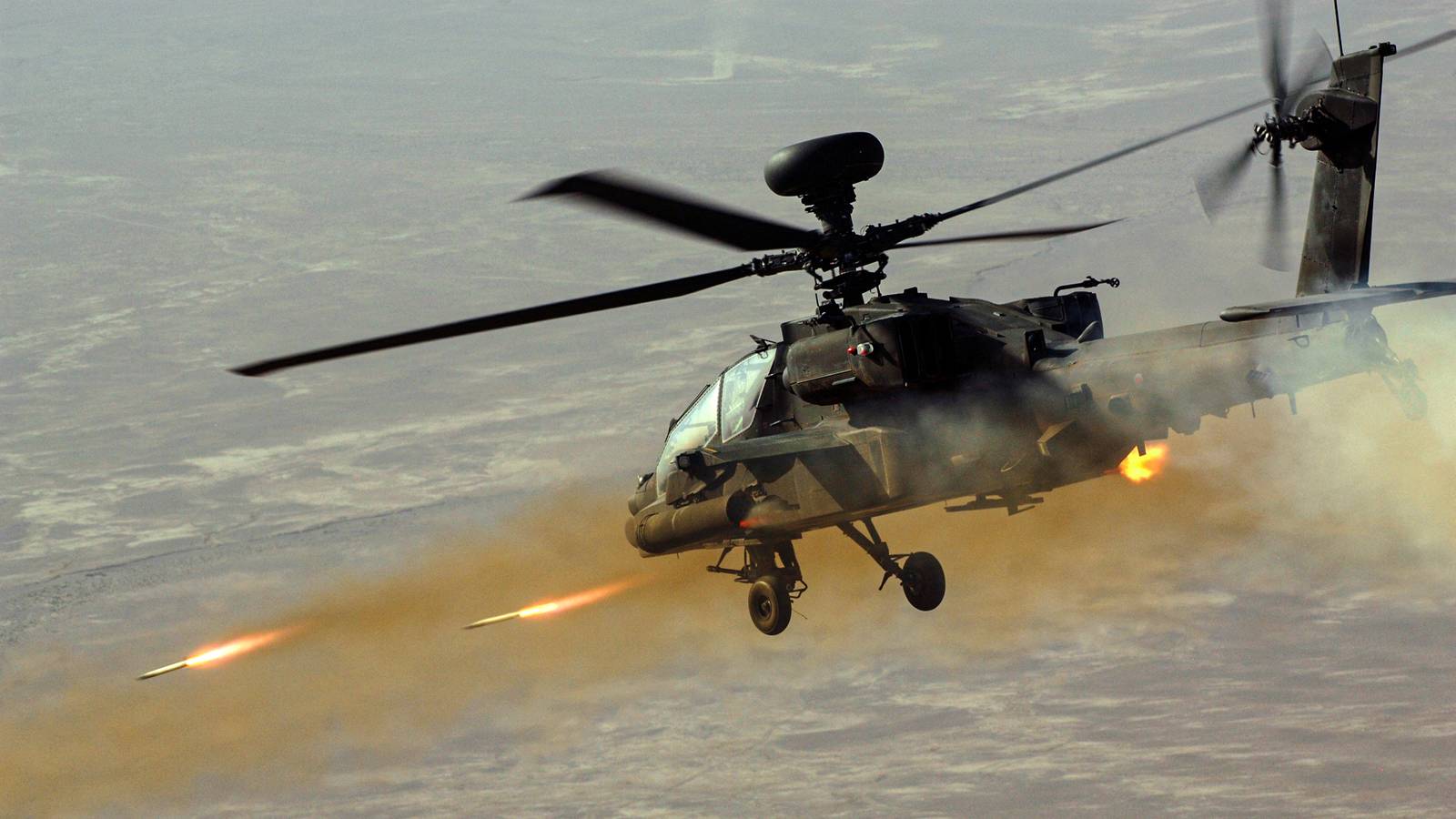
A remarkable Cold War military exercise demonstrated that attack helicopters could decisively defeat advanced fighter aircraft under specific combat conditions, according to newly surfaced details from the 1978 Joint Countering Attack Helicopter Program.
The J-CATCH trials, conducted by the Department of Defense, saw pilots from the US Air Force 20th Special Operations Squadron achieve a striking 5:1 kill ratio against fixed-wing aircraft including the McDonnell Douglas F-4 Phantom II, Fairchild Republic A-10 Warthdog, and Boeing F-15 Eagle. The helicopter crews flew Sikorsky CH-3E Sea Kings and Bell UH-1N Hueys configured as gunships during the exercises.
The success hinged on tactics developed with Central Intelligence Agency coaching, based on intelligence regarding Soviet Mil Mi-24 Hind helicopter combat methods. Rotary-wing pilots employed close-range ambush techniques, rapidly deploying heat-seeking missiles at the rear quarter of passing jets. Many fighter pilots reportedly remained unaware they had been engaged until post-mission debriefs revealed they had been eliminated from the exercise.
The trials were structured around a combat search and rescue scenario, with 'Blue Air' helicopters escorted by fighters while 'Red Air' helicopters hunted the jets. This forced within-visual-range combat rather than standoff engagements. While fighter jets maintained overwhelming advantages at distances around 40 miles using beyond-visual-range missiles, the dynamics reversed dramatically once aircraft reached 'merge' distance for close-range dogfighting.
The exercise relied on terrain masking and nap-of-the-earth flight profiles that kept helicopters concealed until optimal firing positions were achieved. Because Western air forces lacked gunships comparable to the larger Soviet Hind, the Hueys and Sea Kings combined their firepower to approximate its presumed capabilities. The trials ultimately concluded that fighter jets should avoid descending to low altitude to engage gunships directly, as the tactical environment heavily favored rotary-wing aircraft in that battle space.