In This Guide
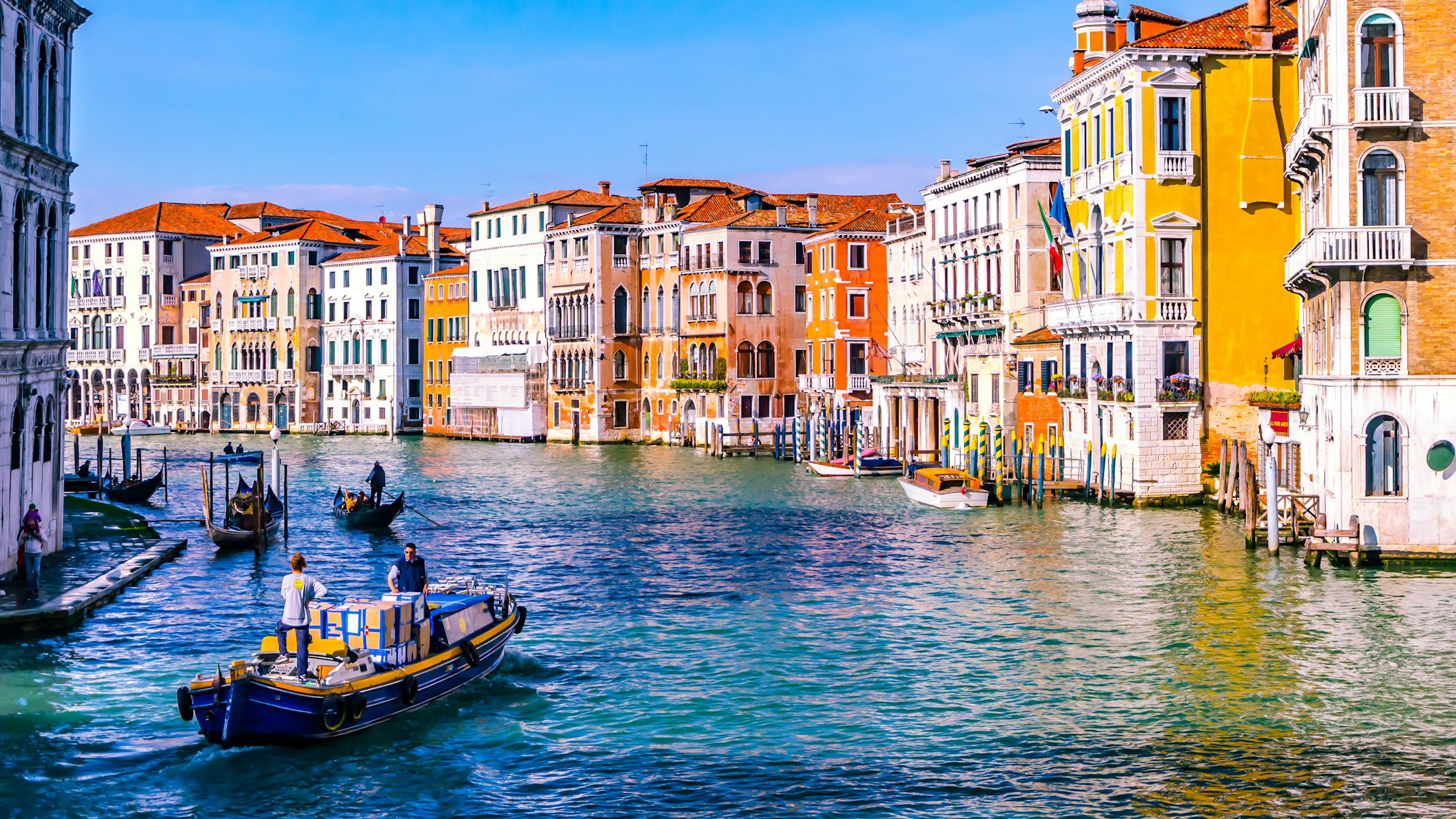
The vaporetto 4.1 pulls away from Zattere at 6:47 p.m. and crosses 400 meters of lagoon to Palanca in under three minutes. That crossing — short enough to feel administrative, long enough to hear San Marco's noise dissolve — is the whole point of Giudecca in June. The island sits directly south of Dorsoduro, about 2 meters above sea level at its highest, and runs roughly 1.6 kilometers end to end. It has no Piazza, no Rialto, no selfie infrastructure. What it has: working boatyards, a Palladian church preparing for its annual party, and a handful of bars where cicchetti cost what cicchetti cost before Venice decided it was a theme park.
I spent four days there last June and came back with a sunburn from a squero rooftop and a €3.50 meatball habit I haven't been able to replicate anywhere else.
1. The boatyards aren't museums — don't treat them like ones
Giudecca's southern fondamenta still has active squeri and small-craft repair yards. The stretch between the Palanca and Redentore vaporetto stops, roughly 600 meters along Fondamenta San Giacomo, is where you'll see hulls propped on wooden blocks and guys sanding fiberglass with cigarettes in their mouths. Nobody is going to hand you a pamphlet.
The best time to walk this stretch is between 7:30 and 10:00 a.m., when the yards are actually working. By noon the shutters come down.
One yard near the Redentore stop had a hand-painted sign reading "NO FOTO" last June. Respect it. There's a specific irritation that locals carry toward visitors who treat their workplace like content. You'll notice the difference between the boatyards and Squero di San Trovaso across the canal in Dorsoduro — that one has been positioned as a viewing attraction for decades, complete with a recommended photo angle from the bridge. Giudecca's yards haven't made that concession.
Pro tip: If you want to photograph boats being worked on without annoying anyone, the small marina at the western tip near Sacca Fisola is less residential and nobody seemed to care when I had a camera out.
2. Where to eat standing up
Bar Palanca, right at the Palanca vaporetto stop on Fondamenta Sant'Eufemia, is the cicchetti spot that actually delivers. A counter bar with a few outdoor tables overlooking the Giudecca Canal. The cicchetti run €1.50–€3.50 each — polpette, baccalà mantecato on crostini, sarde in saor — and the house wine is around €2.50 a glass. They close in the early afternoon and reopen in the evening, roughly 6:00–8:30 p.m. for the aperitivo window.
Skip Skyline Bar at the Hilton Molino Stucky. I know it shows up on every "best rooftop bars in Venice" list. The drinks are €16–€20 and the crowd is hotel guests in resort wear taking the same photograph. The view is fine. The experience is a Marriott lobby at altitude.
For a sit-down meal, Trattoria Altanella on Calle delle Erbe has been feeding Giudecchini since 1920. They close Mondays and Tuesdays. The fritto misto is good. Reservations are worth making — four or five tables on the canal-side terrace, and in June those fill by 7:30 p.m.
Pro tip:Bar Palanca's cicchetti selection thins out fast during evening aperitivo. Arrive by 6:15 if you want the full spread.
Stay in Venice
Top-rated hotels near Venice
Best locations · Verified reviews · Free cancellation
View deals
Expedia →3. Redentore in rehearsal mode
The Festa del Redentore happens on the third Saturday and Sunday of July, but the preparation starts in June. By the second week, you'll see workers assembling the pontoon bridge that will eventually connect Giudecca to the Zattere — roughly 330 meters of floating walkway across the canal. Watching it go up in sections is more interesting than crossing it during the actual festival, when 100,000 people pack both banks.
Chiesa del Santissimo Redentore, Palladio's 1592 plague-church, faces north across the water. Open to visitors Monday through Saturday, 10:30 a.m. to 4:30 p.m., with a €3 entry fee through the Chorus Pass system. The interior is a single nave with side chapels and a light quality that changes completely between morning and late afternoon. In June the sun angles through the western windows around 3:00 p.m. and hits the floor in a way that makes the proportions click.
Here's my contrarian take: the Redentore festival itself isn't worth attending unless you have a boat. The fireworks are spectacular, sure, but the fondamenta turns into a standing-room crush, the vaporetti run erratically until 2:00 a.m., and the pontoon bridge becomes a one-way human conveyor belt. Come in June, see the church empty, watch the bridge being built. You'll understand the event better than the people who actually attend it.
4. The long walk to Sacca Fisola and why you should bother
Most visitors to Giudecca turn around at Redentore and take the vaporetto back. Keep walking west.
Past the Molino Stucky (the converted flour mill, now a Hilton — the building itself is worth looking at from the outside, a massive brick industrial cathedral that predates every hotel design committee), the fondamenta quiets down. The residential blocks between Redentore and Sacca Fisola have laundry lines, cat colonies, and zero commercial activity for stretches of 200 meters. The walk from Palanca to the western tip of Sacca Fisola is about 1.3 kilometers and takes 20 minutes at an easy pace.
Sacca Fisola is an artificial island welded to Giudecca's western end in the 1960s. Social housing blocks, a park, a playground. Not scenic in the postcard sense. But the southern edge faces the open lagoon toward Lido, and at dusk in June — sunset around 9:00 p.m. — the light over the water is the flattest, most Turneresque thing I've seen in Venice. Bring a bottle of wine from the alimentari near Palanca. The benches on the south side face directly into it.
There's a gelateria on Sacca Fisola that I cannot remember the name of and refuse to fabricate. It was open last June. It had pistachio. That's all I've got.
Pro tip: The Sacca Fisola vaporetto stop (line 2) saves you the walk back. Boats run every 20 minutes in the evening toward San Marco and Piazzale Roma.
Stay in Venice
Top-rated hotels near Venice
Best locations · Verified reviews · Free cancellation
View deals
Expedia →5. Lagoon dusk from the north fondamenta
Giudecca's north side — the fondamenta facing Dorsoduro — is where the golden hour actually earns the label. Between 7:30 and 9:00 p.m. in June, the sun drops behind you (southwest) and lights up the Zattere waterfront across the canal in that warm tone that makes old plaster look intentional. The whole Dorsoduro skyline, from Santa Maria della Salute in the east to San Sebastiano in the west, sits across 400 meters of flat water like a backdrop.
The best stretch: between the Zitelle and Redentore vaporetto stops, about 500 meters of uninterrupted fondamenta with low stone walls you can sit on. No bars, no commerce. Just the canal and the light.
The sound of water against stone, a vaporetto wake arriving 30 seconds after the boat passes, and absolutely nothing requiring your credit card.
Essential tips
Vaporetto lines 2, 4.1, and 4.2 serve Giudecca. Line 2 is the most frequent (every 10–12 minutes in summer). A 75-minute single ticket costs €9.50; a 24-hour pass is €25 and pays for itself in three rides.
June daylight runs roughly 5:30 a.m. to 9:05 p.m. Plan the boatyard walk for morning and the north fondamenta for evening — you'll use both ends of the light.
There are only two or three places to buy water on the entire island. Grab a bottle at the small alimentari on Fondamenta Sant'Eufemia near Palanca before heading west toward Sacca Fisola.
The Chorus Pass (€14) covers Redentore and 17 other churches across Venice. If you're visiting more than four churches during your trip, it's the better deal over individual €3 entries.
Ready to visit Venice?
Book your hotel, flights, and activities through our Expedia-powered search.