In This Guide
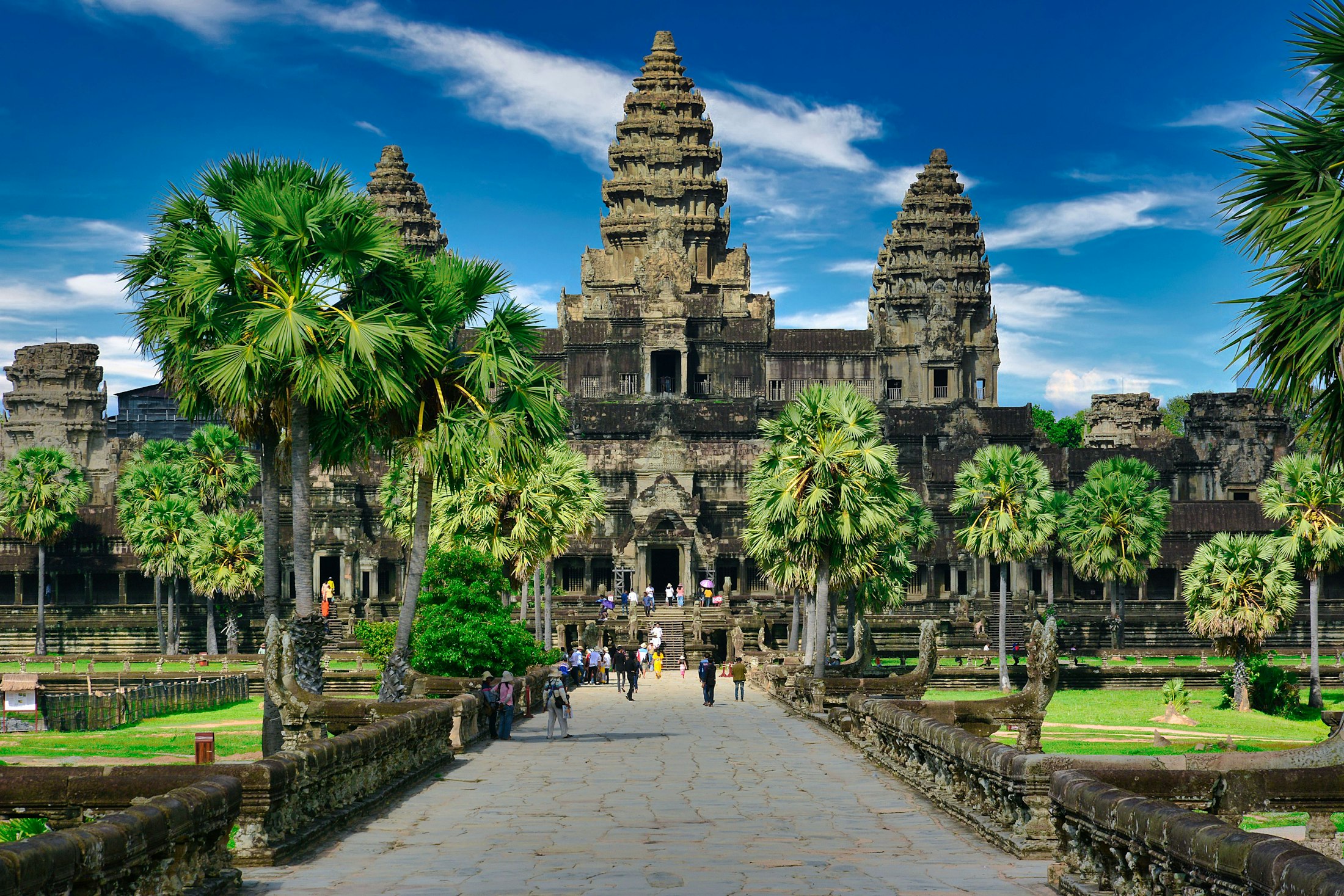
The tuk-tuk driver dropped me at the wrong wat. Third time in Siem Reap, and I still mix up Wat Bo and Wat Bo Pagoda — they're within walking distance of each other, which doesn't help. But the village around Wat Bo Road is the reason I keep coming back during green season, when the tour buses thin out and the rain turns everything aggressively lush. Most visitors treat Siem Reap as a launchpad for Angkor Wat and nothing else. That's a waste of a plane ticket.
Wat Bo Village sits east of the Siem Reap River, roughly between Wat Bo Road and the river itself. During June through October, afternoon downpours clear the streets by 3 p.m. and leave behind cooler air and the sharp smell of wet laterite. The tourists who do show up are either budget backpackers or the kind of repeat visitors who've already done the temple circuit twice. Good company, in my experience.
1. Prahok is not for the faint-hearted, and that's the point
Every Cambodian kitchen I've walked into in Wat Bo Village has a jar of prahok somewhere — fermented fish paste, grey-brown, pungent enough to announce itself from the doorway. Western food blogs keep calling it "Cambodian cheese," which is the kind of comparison that helps nobody.
The place to try it properly is Mahob Khmer, on a small lane off Wat Bo Road. Order the prahok ktiss: the paste is cooked down with minced pork, coconut milk, and sliced eggplant, then served with raw vegetables for dipping. It costs around 22,000 riel (roughly $5.50). The flavor is salty and deep, not the assault your nose warned you about. I've had versions at fancier restaurants along Pub Street that tone down the fermentation for tourist palates. Skip those. The whole point is the funk.
Green season is when the markets along Wat Bo Road stock the freshest kroeung — lemongrass, galangal, turmeric root — because the rain keeps everything growing. The morning market near Wat Bo Pagoda runs from about 6 a.m. to 10 a.m., and a bag of mixed herbs costs 2,000 to 4,000 riel.
Pro tip:Prahok ktiss tastes better with the bitter greens they serve alongside it, not just the cucumber. Don't push them aside.
2. Shadow puppets at a family workshop on Street 26
The Sovanna Phum shadow puppet tradition nearly died during the Khmer Rouge years. The troupe that performs in Siem Reap now operates out of a workshop and small theater space, and the family-run operation on Street 26 (Wat Bo area) is where the leather hides get carved, dyed, and mounted on bamboo sticks. No appointment needed — if the gate is open and someone's working, you can watch.
Skip the evening performances. They have a rehearsed quality pitched at tour groups, with English narration that flattens the stories. The workshop visits are better. A carver named Sokha (he didn't give a last name) spent twenty minutes explaining why buffalo hide works better than cowhide — something about translucency and how the leather holds dye differently when backlit. A finished puppet sells for $15 to $80 depending on size and detail.
Smaller puppets the size of your hand make genuinely useful wall decorations. The large ones, gorgeous as they are, will not survive a backpack.
Pro tip: Workshops are usually active in the mornings, before the heat peaks. By 1 p.m. most carvers have stopped for the day.
Stay in Siem Reap
Top-rated hotels near Siem Reap
Best locations · Verified reviews · Free cancellation
View deals
Expedia →3. Wat Bo Pagoda and the murals everyone walks past
The pagoda dates to the 18th century, and its interior murals are some of the oldest surviving examples of Khmer wall painting. Scenes from the Reamker — the Cambodian Ramayana — cover the upper walls in faded reds and ochres. Most visitors glance up, take a photo, and leave within five minutes. Slow down.
The bottom registers show daily life: boats on the Tonle Sap, market scenes, foreigners in colonial dress. These panels tell you more about 19th-century Cambodia than any museum placard I've read in Phnom Penh. No entrance fee, but a donation box sits near the door. A few thousand riel is appropriate.
Dress code applies. Knees and shoulders covered. I watched a couple get turned away last October in tank tops, looking baffled, as though temples have different rules when it's hot out.
Stay in Siem Reap
Top-rated hotels near Siem Reap
Best locations · Verified reviews · Free cancellation
View deals
Expedia →4. The riverbank after rain
Walk west from Wat Bo Road toward the Siem Reap River after a late-afternoon downpour. The concrete path along the east bank fills up with locals — kids on bikes, older men fishing with hand lines, women selling grilled corn for 1,000 riel an ear.
This stretch between the Royal Gardens and the old bridge is where Siem Reap actually lives, as opposed to where it performs for visitors. No craft cocktail bars. No signs in English promising "authentic experiences." Just a river swollen and brown from the rains, and the particular satisfaction of eating corn on a wet bench while the sky clears.
Green season evenings cool down to the mid-20s Celsius. Manageable.
Pro tip: Mosquitoes peak at dusk along the river. Long sleeves or repellent — not optional.
Essential tips
Green season means daily rain, usually between 2 and 5 p.m. Plan temple and outdoor visits for mornings. Afternoons are for eating and workshops.
US dollars are accepted everywhere in Siem Reap, but change under $1 comes back in riel. Carry small dollar bills and a pocket of riel coins for market stalls.
A tuk-tuk from the old market area to Wat Bo Village costs 2-3 dollars. Walking takes about 15 minutes. The walk is better — you'll pass the river and several food carts worth stopping at.
Keep a scarf or sarong in your bag for pagoda visits. Buying one at the door costs 5x what you'd pay at the morning market.
Ready to visit Siem Reap?
Book your hotel, flights, and activities through our Expedia-powered search.


