In This Guide
The drive from Mérida to Ticul takes about an hour and fifteen minutes if you don't stop at every roadside fruit stand along Highway 261, which I have never once managed. I hit the town on a Tuesday in late September — deep in hurricane season, when the Yucatán heat stalls under cloud cover and the tour buses from Cancún thin out to almost nothing. The Puuc hills to the south were empty. The pottery workshops were running. And the woman at the chocolate shop on Calle 23 looked mildly surprised to see me, which is always the sign you're in the right place.
Ticul has a reputation as a day trip, a box to check between Uxmal and the cenotes. That reputation is wrong. The town rewards slowness, and September's grey skies and occasional downpours give you an excuse to sit still, eat poc chuc, and watch a potter shape a clay oven with his bare hands while rain hammers the tin roof outside.
1. The clay ovens of Calle 30
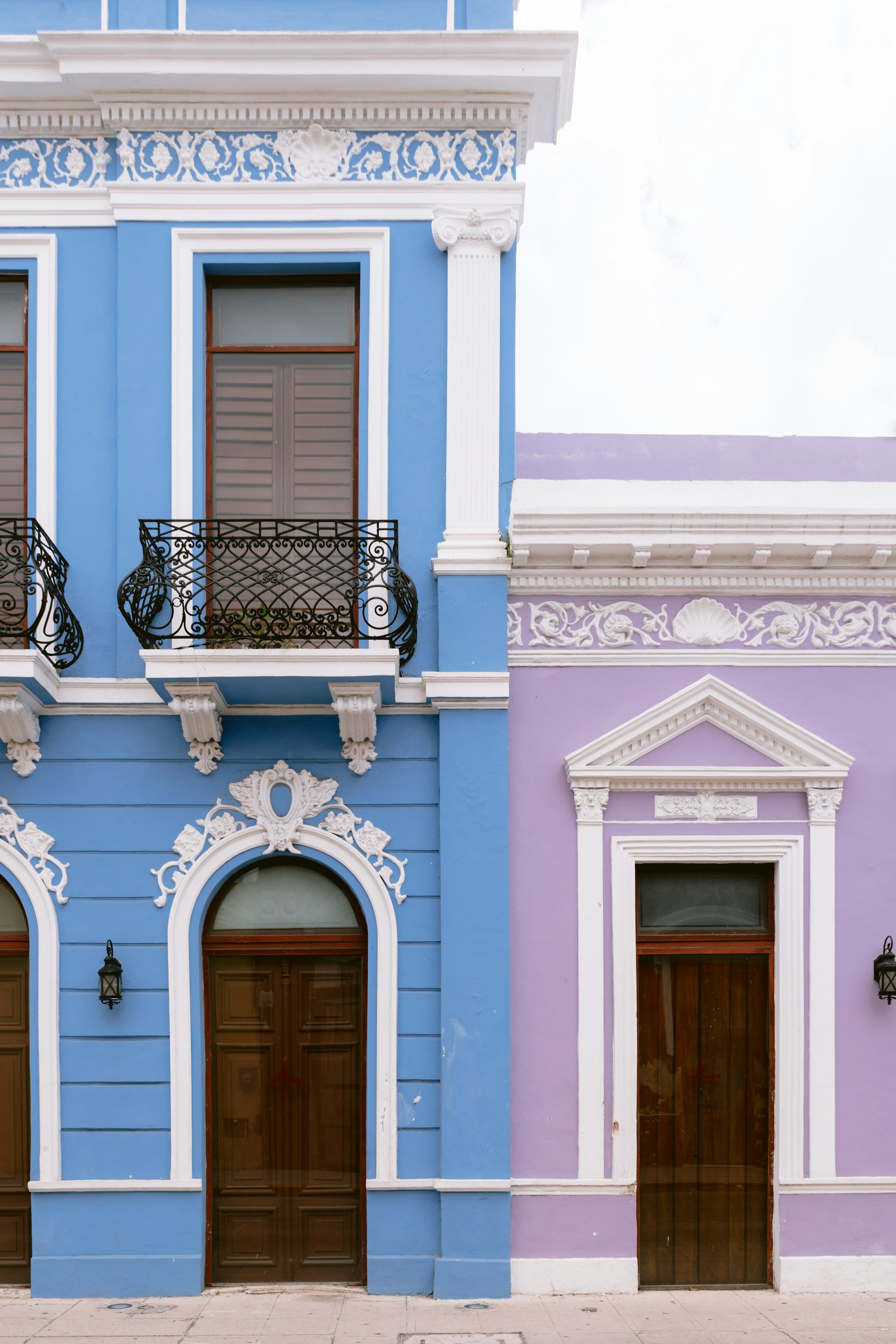
Most of the pottery workshops in Ticul cluster along Calle 30, south of the main plaza. They're not showrooms — they're open-air yards where families produce everything from decorative replicas of Mayan glyphs to the deep, wide-bellied clay ovens that end up in restaurant kitchens across the peninsula. The ovens are the real product. Decorative pots pay the bills from tourists; the ovens pay the bills from everyone else.
At Alfarería Arte y Tradición, I watched a man named Don Felipe shape a cooking pot freehand, no wheel, using a technique he said his grandfather taught him. The whole process took about twenty minutes. He quoted me 250 pesos for a small tabletop pot, 1,800 for a full-size horno. Shipping to the U.S. was, in his words, "your problem."
The workshops don't keep strict hours. Most open by 8 a.m. and wind down around 4 p.m. If you show up on a Sunday, expect maybe half of them to be operating.
Pro tip:Bring cash in small bills. Most workshops don't take cards, and the nearest ATM is on the plaza at Calle 23 and Calle 26.
2. Ki' Xocolatl and the bitter chocolate question
There's a small chocolate shop on Calle 23, near the corner of Calle 28, called Ki' Xocolatl. They grind cacao with cinnamon, sugar, and sometimes chile on a stone metate out front. A disc of drinking chocolate costs about 30 pesos. A bag of cacao nibs runs 45.
Most people who claim they love Yucatecan chocolate have only ever tasted the sweetened tourist version. The traditional preparation — dissolved in hot water, no milk — is bitter, gritty, and tastes like the inside of a cacao pod smells. Not a treat. Ki' Xocolatl will make it either way, but ask for the "amargo" version at least once. You should know what you're actually drinking.
The shop closes early during hurricane season. I'd aim for a morning visit, before noon.
3. Poc chuc at the market, not at a restaurant
Skip the sit-down restaurants near the plaza — most of them serve the same Yucatecan standards at inflated prices, and the poc chuc is often pre-marinated to the point of mush. Head instead to the Mercado Municipal, a few blocks east of the central church. The food stalls in the back operate from roughly 7 a.m. to 2 p.m., and the pork is grilled to order over citrus wood.
I paid 85 pesos for a plate of poc chuc with pickled onion, black beans, and a stack of fresh tortillas. The woman running the stall didn't have a menu or a name on the sign — just a handwritten board that said "POC CHUC" in red marker. That's the one.
A man at the next table told me the best poc chuc in the Yucatán was actually in Oxkutzcab, twenty minutes south. He might be right. But I wasn't done eating.
Pro tip:The market stalls start shutting down after 1:30 p.m. Don't show up at 2 expecting lunch.
4. The Puuc Route when nobody's on it
September and October are the months when you can walk the Governor's Palace at Uxmal without dodging a guided tour group every thirty seconds. The rain makes the limestone dark and slick, and the vegetation around Kabah and Sayil goes dense. It doesn't look like the postcard version. It looks better.
Uxmal's entrance fee is 461 pesos for foreigners as of 2024 — that's the combined INAH and state fee, paid in two separate transactions at two separate windows, because Mexico. Kabah is 75 pesos. Sayil and Labná are 55 each. Budget about five hours to hit all four sites without rushing, plus drive time between them on the narrow Ruta Puuc road.
Labná is the best site on the route, and almost nobody goes there. Uxmal gets all the attention because of its scale, but the arch at Labná — freestanding, almost delicate — is the single most impressive piece of Puuc architecture I've seen. You'll probably have it to yourself.
The road between sites is paved but narrow, with no shoulders and occasional livestock. Uxmal to Kabah is about 10 minutes. Kabah to Sayil, another 10. Sayil to Labná, 5 minutes.
Pro tip: Bring bug spray with DEET. The mosquitoes at Sayil during rainy season are vicious, and the site is mostly unshaded forest paths.
5. Weather, honestly
Any guide to the Yucatán in September that doesn't talk about weather is lying to you by omission. Hurricane season runs June through November, peaking in September and October. This doesn't mean a hurricane will hit while you're eating chocolate in Ticul, but it means you should be checking forecasts daily and keeping your plans loose.
Expect afternoon rain almost every day. Sometimes it's a 20-minute squall. Sometimes it's a three-hour deluge that floods low sections of road between Mérida and the Puuc hills. Temperatures hover around 32°C with brutal humidity. You will sweat through your shirt by 10 a.m.
The upside is real, though. Prices drop. Hotels in Mérida that charge 2,500 pesos a night in December go for 1,200 or less. And the overcast, grey-green light makes the ruins look ancient in a way that harsh midday sun never does.
6. Where to sleep: Mérida as base camp
I wouldn't stay in Ticul overnight unless you're deeply committed to the pottery workshops and want to be there at dawn. The town has a couple of basic hotels, but the food, the evening life, and the practical infrastructure are all in Mérida.
From Mérida's centro, the drive to Ticul is about 80 kilometers south on the 261 and then the 184. An hour and change with no traffic. Colectivos also run from the Noreste bus terminal on Calle 67 for around 55 pesos, but they take longer and the last return bus leaves Ticul by early evening.
Stay in Mérida's Santiago neighborhood if you can — it's quieter than Santa Ana and closer to the southern highway exit.
Pro tip: Fill your gas tank in Mérida before heading south. There are Pemex stations along the way, but they occasionally run dry during storm season.
Stay in Mérida
Top-rated hotels near Mérida
Best locations · Verified reviews · Free cancellation
View deals
Expedia →7. What to skip in the Puuc corridor
Skip the Loltún caves if you're short on time. I know they show up in every guidebook, and the stalactites are fine, but the guided tour is mandatory, lasts about an hour and a half, and the guides vary wildly in quality. I've done it twice. Once was good, once was a bored teenager reading from a laminated card. The caves are also 30 minutes south of the main Puuc road, which adds a full hour of driving round-trip.
Also skip the "Ruta de los Conventos" side trip that some Mérida tour operators bundle in. The colonial churches at Maní and Teabo are historically significant, sure, but unless you have a specific interest in Franciscan architecture, you're adding two hours of driving for buildings you'll photograph and forget.
Spend that time at Labná instead. Or sitting in the Ticul market eating a second plate of poc chuc.
Stay in Mérida
Top-rated hotels near Mérida
Best locations · Verified reviews · Free cancellation
View deals
Expedia →8. The shoe shops, briefly
Ticul is also known for handmade shoes and leather huaraches, and you'll see shops lining Calle 23 and Calle 25 selling them. The quality ranges from excellent to gas-station-gift-shop. Look for thick leather soles and stitching that doesn't unravel when you tug it. A decent pair of huaraches runs 350 to 600 pesos.
I bought a pair three years ago. Still holding up.
Pro tip:Ask to see the workshop in back — many shops make their stock on-site, and they'll sometimes do custom sizing if you're willing to wait a day.
Essential tips
Check the CONAGUA forecast (smn.conagua.gob.mx) daily during September-October. The U.S. National Hurricane Center's Eastern Pacific page also covers Yucatán storms.
Ticul runs on cash. The Banorte ATM on the plaza works most of the time, but bring pesos from Mérida as backup — workshop owners and market stalls won't take cards.
Rent your car in Mérida, not at Cancún airport. Mérida agencies on Calle 60 charge roughly 600-800 pesos/day for a compact with insurance, versus 1,200+ at CUN.
Sunscreen and DEET-based bug spray are both essential at Puuc sites. The combination of overcast skies (you'll still burn) and standing water (mosquito breeding grounds) catches people off guard.
Ready to visit Mérida?
Book your hotel, flights, and activities through our Expedia-powered search.


