In This Guide
- 1.What a vaquería actually is (and isn't)
- 2.The barrio of Santiago
- 3.The food will ruin you for everything else
- 4.Jarana: learning the steps without embarrassing yourself
- 5.The gremios processions, and why I think the guidebooks get them wrong
- 6.Rain strategy
- 7.Where to stay near Santiago
- 8.Other vaquerías worth catching
- 9.Staying longer than the fiesta
The rain started at four in the afternoon, the way it always does in Mérida in July, and by four-thirty the streets around Santiago smelled like wet limestone and somebody's grandmother frying empanadas de cazón on a comal that had seen better decades. I'd come for the vaquerías — the patron-saint festivals that take over Mérida's old barrios during the rainy season — and what I found was a city that treats its Catholic calendar like a permission slip to dance in the mud, eat until something hurts, and stay out until the roosters complain.
Santiago's fiesta, pegged to the apostle Saint James and running roughly July 15–25 each year, is the one most locals will tell you to attend. They're right, but not for the reasons the tourism board prints on its pamphlets. Forget the processions. Come for the jaranas, the food stalls that multiply like rumors, and the particular electricity of a neighborhood that has been throwing this party since before anyone alive can remember.
1. What a vaquería actually is (and isn't)
A vaquería is not a rodeo, despite what the name suggests. The word traces back to cattle-ranch celebrations in the Yucatán's hacienda era, when workers marked the end of branding season with music and dancing, but the modern version has almost nothing to do with livestock. It's a community dance, held in the street or on a makeshift stage, where couples perform the jarana — a footwork-heavy dance descended from the Spanish jota but shaped by centuries of Maya and mestizo influence.
The women wear huipiles or ternos, the men guayaberas. The music is a small orchestra of trumpets, clarinets, and timbales. The dancing is precise, all rapid heel-toe patterns, and the best dancers barely seem to move above the waist while their feet do something almost algebraic. If you've seen jarana on YouTube, you've probably seen a polished folkloric version. The real thing at Santiago is looser, sweatier, and the crowd is half-drunk on Montejo beer by the second set.
Pro tip:Stand near the musicians, not the stage front. The sound is better and you'll actually see the footwork instead of staring at the backs of phone screens.
2. The barrio of Santiago
Santiago sits southwest of the Plaza Grande, centered on its own smaller plaza at Calles 59 and 72. It still behaves like a small town inside a city — people know each other's dogs by name, the tienda on the corner stocks exactly three brands of anything, and the church bells function as a public clock.
During the fiesta, the streets around the Iglesia de Santiago fill with temporary stalls, stages, and those inflatable bounce houses that seem to exist at every Mexican celebration regardless of context. The parish church itself is modest — a single nave, pale yellow façade, no soaring dome. Don't bother looking for architectural marvels. The building matters because of what happens in front of it.
I made the mistake of arriving by car my first time, circling the blocked-off streets for twenty minutes before giving up and parking near the Museo de la Ciudad on Calle 65. Walk, or take a colectivo along Calle 59.
3. The food will ruin you for everything else
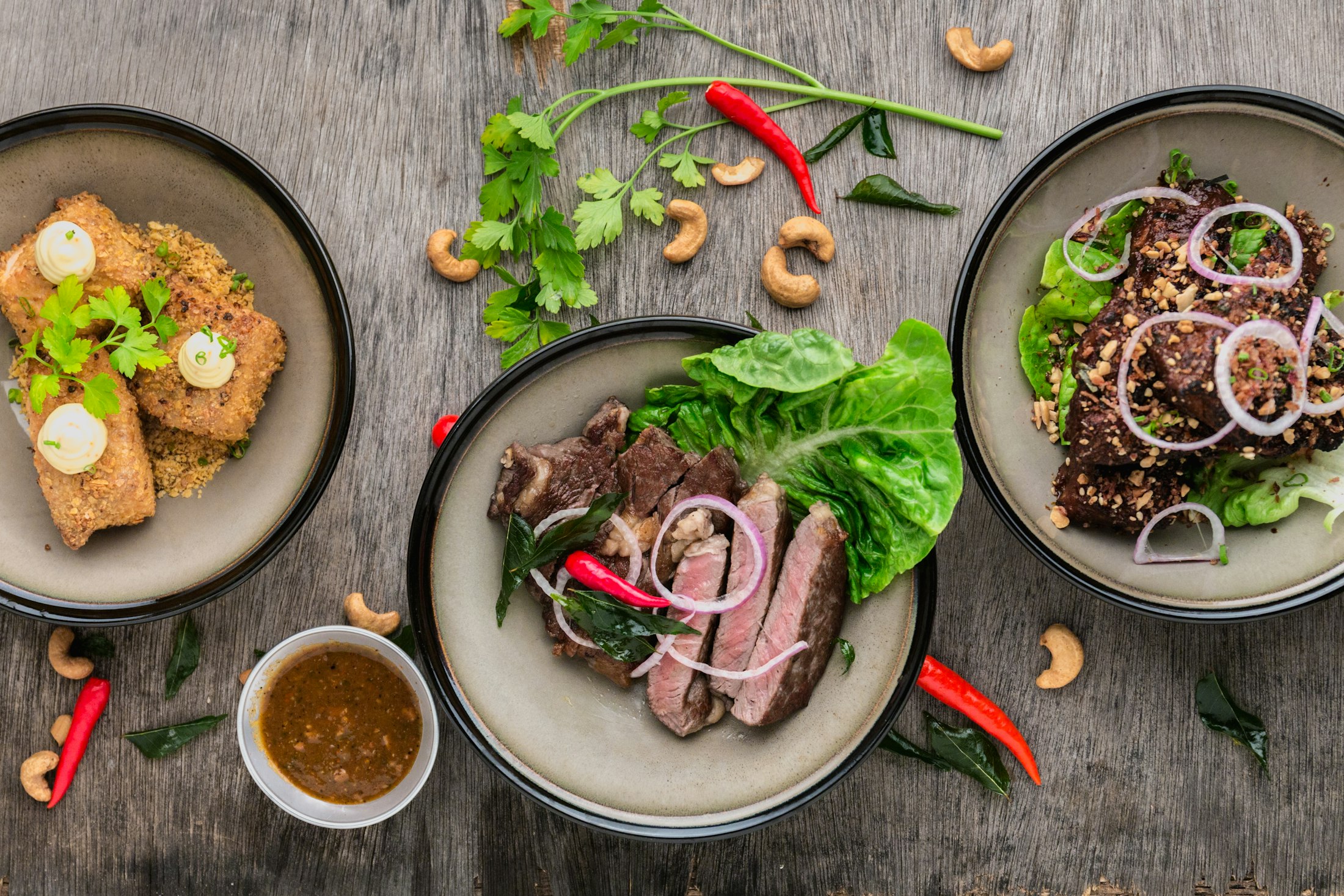
This is where I get unreasonable. The stalls at Santiago's vaquería serve some of the best cheap food in a city already famous for cheap food, and if you spend the evening watching the dancing instead of eating, you have made a strategic error.
Start with panuchos — fried tortillas stuffed with black bean paste, topped with shredded turkey or cochinita pibil, pickled red onion, and avocado. The ones at the stall closest to the church's west entrance last year were going for 15 pesos each, which is essentially free. From there, move to papadzules — tortillas bathed in a pumpkin-seed sauce and filled with hard-boiled egg, a dish I've never seen done well outside the Yucatán and rarely seen done this well inside it. The sauce should be green and silky, not grainy.
Salbutes. Tamales colados, which are Yucatecan tamales wrapped in banana leaf with a strained masa so smooth it barely registers as solid. Marquesitas — rolled crêpes filled with Edam cheese and cajeta, sold from carts with hand-lettered signs. The marquesita vendors work until two in the morning.
Skip the elote stands near the bouncy castles. The corn is reheated, the mayonnaise is suspect, and there are better elotes at any Tuesday market in the city.
Pro tip: Order papadzules early in the evening. The pumpkin-seed sauce oxidizes and turns brown after sitting too long; by 11 p.m. they look grim.
4. Jarana: learning the steps without embarrassing yourself
You will be invited to dance. Refusing is acceptable but will earn you a particular look — amused, pitying — from whoever asked.
The basic jarana step is a zapateado: weight on the balls of your feet, alternating heel strikes in three-four time. Think waltz timing but percussive, and lower your center of gravity. The couples don't touch much; it's a facing dance, more conversation than embrace. During the vaquería, experienced dancers sometimes balance a full beer bottle or a tray on their heads while dancing, which sounds like a party trick until you realize they're also executing syncopated footwork that would give a flamenco dancer trouble.
If you want to learn before the festival, the Casa de la Cultura del Mayab on Calle 63 between 64 and 66 occasionally offers jarana workshops in July. Ask at the front desk — they don't always post schedules online. There's also a group that practices Sunday mornings in Parque de Santiago itself, though "practice" might be generous for what is really just neighbors dancing because they feel like it.
Pro tip:Wear shoes with hard soles, not sneakers. The zapateado needs the sound. Huaraches work. Running shoes don't.
5. The gremios processions, and why I think the guidebooks get them wrong
Most English-language guides describe the gremios — the guild processions that are the religious backbone of the vaquerías — as quaint or folkloric. I think they undersell them. The gremios are labor organizations, some dating to the colonial era, and their processions to the church are acts of collective devotion that feel genuinely heavy in a way that polished cathedral ceremonies don't. Bakers, shoemakers, market vendors — each gremio has its own day during the fiesta, and they march to the Iglesia de Santiago carrying banners, candles, and offerings.
The atmosphere shifts during these processions. The music stops, or at least quiets. People cross themselves. Then the gremio reaches the church, the offerings are presented, and fifteen minutes later the band cranks back up and the dancing resumes as if nothing solemn had happened. That gear-shift — sacred to profane in the time it takes to open a beer — is the thing about vaquerías that I can't find anywhere else in Mexico.
6. Rain strategy
It will rain. Accept this.
Mérida's rainy season runs roughly June through October, and July is peak downpour territory. The rain usually hits mid-to-late afternoon and can dump hard for an hour, sometimes two. By evening it tapers off, but the streets stay slick and the air gets that heavy, post-storm warmth that makes you sweat through your shirt in four minutes. The vaquería dancing usually starts after the rain passes — around 8 or 9 p.m. — and runs past midnight.
Bring a light rain jacket, not an umbrella. Umbrellas in a packed street crowd are weapons. Wear shoes you don't mind getting wet, and if your hotel has a balcony, leave your good clothes out to dry in the morning heat — things mildew fast in Mérida's humidity.
Pro tip: The covered corridors (portales) around the Santiago plaza offer decent shelter during downpours, but they fill up fast. The farmacia on the northeast corner of the plaza is air-conditioned and nobody seems to mind if you linger.
7. Where to stay near Santiago
Santiago's barrio has a handful of small guesthouses and a few Airbnbs, but the hotel stock within walking distance has improved in the last few years. Staying in the neighborhood means you can stumble home at 1 a.m. without negotiating a taxi, which during fiesta week is worth more than a rooftop pool.
If Santiago proper feels too residential, the blocks between the barrio and the Plaza Grande — roughly along Calles 59 to 65, between 68 and 76 — put you within a fifteen-minute walk of both the fiesta and the city's main restaurant corridor. Avoid the hotels east of Paseo de Montejo for this trip; they're fine hotels, but you'll spend half your evening in transit.
Stay in Mérida
Top-rated hotels near Mérida
Best locations · Verified reviews · Free cancellation
View deals
Expedia →8. Other vaquerías worth catching
Santiago gets the attention, but it's not the only barrio fiesta in Mérida's rainy season. San Cristóbal (late July into early August) runs a smaller vaquería with arguably better food — the cochinita pibil tacos at San Cristóbal's plaza last year were transcendent, and I don't use that word often. Santa Ana's fiesta falls in August and draws a younger crowd.
Santa Lucía's patron-saint celebration is more polished and more touristy, which is precisely why I'd rank it last.
If you have three weeks in Mérida — and the city rewards that kind of time — you could hit two or three vaquerías and compare. The jarana steps are the same; the food stalls, the neighborhood energy, the ratio of locals to outsiders — those shift. Go to whichever one your taxi driver tells you his mother prefers.
9. Staying longer than the fiesta
Mérida outside of fiesta week is still Mérida — the Sunday market at Parque de Santa Lucía still runs, the Lucas de Gálvez market is still the best place in the Yucatán to buy recado rojo and dried chiles, and the city's restaurant scene keeps getting sharper without losing its rough edges. Apoala, on Calle 60 near the Plaza Grande, does a refined take on Yucatecan cooking that I return to every trip; their queso relleno is the benchmark I judge all others against.
The Paseo de Montejo museums are fine for a morning — the Palacio Cantón houses a decent archaeology collection — but honestly, I'd rather spend those hours eating breakfast at a lonchería and reading on a park bench. Limestone dust and café de olla.
Mérida doesn't perform for you. It just does what it does, and during the vaquerías, what it does happens to be extraordinary.
Pro tip: The Lucas de Gálvez market (Calles 56 and 67) opens by 6 a.m. Go early for the best selection of chaya leaves and fresh tortillas. The second floor has cheap cocinas económicas serving full breakfasts for 60–80 pesos.
Stay in Mérida
Top-rated hotels near Mérida
Best locations · Verified reviews · Free cancellation
View deals
Expedia →Essential tips
Pack a light rain jacket, not an umbrella. July downpours hit daily around 4–5 p.m. and last about an hour. The vaquería dancing starts after the rain, usually 8–9 p.m.
Bring cash in small bills. Most food stalls at the vaquerías don't take cards, and prices run 12–25 pesos per item. The nearest ATM to Santiago's plaza is the Banorte on Calle 59 and 70.
Wear hard-soled shoes if you plan to dance jarana — the zapateado footwork doesn't register in sneakers. For everyone else, shoes that handle wet cobblestones without slipping.
Santiago's fiesta runs roughly July 15–25, but the biggest vaquería nights tend to cluster around July 24–25, the actual feast day of Santiago Apóstol. Gremio procession schedules are posted at the Iglesia de Santiago a few days before the fiesta starts.
Ready to visit Mérida?
Book your hotel, flights, and activities through our Expedia-powered search.