In This Guide
The rain hit at 8:47 on a Thursday night, and nobody moved. Not the trio of trovadores in their guayaberas, not the couple slow-dancing under the stone archway, not the old man selling marquesitas from a cart that looked older than the park itself. Parque Santa Lucía kept going, the way it has every Thursday since 1965.
Mérida's weekly Serenata Yucateca is one of those free public traditions that sounds too good on paper — live trova music, folk ballet, open seating in a colonial arcade. But it holds up. The rain, honestly, makes it better. Dry-season tourists scatter, and what's left is a soaked park full of people who came for the music, not the photos.
1. Getting there without losing your mind
Parque Santa Lucía sits at Calle 60 and Calle 55, about three blocks north of the main plaza. If you're staying in Centro, you walk. If you're staying out near Altabrisa or the Periférico hotels, budget 20 minutes by taxi and pay 50–80 pesos, depending on how aggressively you negotiate.
Driving yourself is a bad idea. Thursday nights mean half the streets around Calle 60 are closed for the paseo, and parking within four blocks of the park fills by 7 p.m. I circled for 25 minutes last March before giving up and parking near the Mercado Lucas de Gálvez, a solid 12-block walk south. Take the taxi.
Pro tip:Uber works in Mérida and is often cheaper than street taxis. Just make sure your pickup pin is on a street that isn't blocked off — Calle 62 one block west is usually accessible.
2. What actually happens at the Serenata
The program starts around 9 p.m., though musicians sometimes warm up earlier. A rotating cast of local trova groups plays boleros, bambuco, and son yucateco under the park's arcade arches. Between sets, a folk ballet troupe in regional dress performs jarana — a dance where the footwork is frantic but the upper body stays eerily still.
There's an emcee. He speaks entirely in Spanish, and fast. Don't worry about catching every word. The crowd claps when you should clap.
The whole thing wraps around 11 p.m., sometimes later if the musicians are feeling it. No tickets, no reservations. You show up, you sit in a green metal chair or stand along the edges, and you listen. The sound bounces off the stone columns in a way that no amplification system could replicate.
3. The rain question
Mérida's rainy season runs roughly June through October, and y'all need to understand what that means: it rains almost every afternoon or evening, hard, for 30 to 90 minutes. Then it stops. The Serenata happens rain or shine, but the crowd thins dramatically when the sky opens up. I've seen maybe 40 people on a soaked August Thursday versus several hundred on a dry February night.
Here's my contrarian take: go during rainy season. The trovadores play tighter in the rain — smaller audience, less distraction, and something about the wet stone and cooler air makes the acoustics rounder. You lose the folk ballet some nights when the stage floor gets slick, but the music is the reason to be there anyway. Bring a rain jacket, not an umbrella. Umbrellas block sightlines and annoy everyone behind you.
Pro tip:A lightweight packable rain shell beats a poncho. Ponchos trap Mérida's humidity against your skin and you'll be more miserable than if you'd just gotten wet.
4. Skip the restaurants on Calle 60
The restaurants lining Calle 60 near the park charge tourist prices for mediocre poc chuc and watered-down micheladas. Skip them. Walk two blocks east to Calle 62 or duck south toward the market zone and you'll eat better for half the cost.
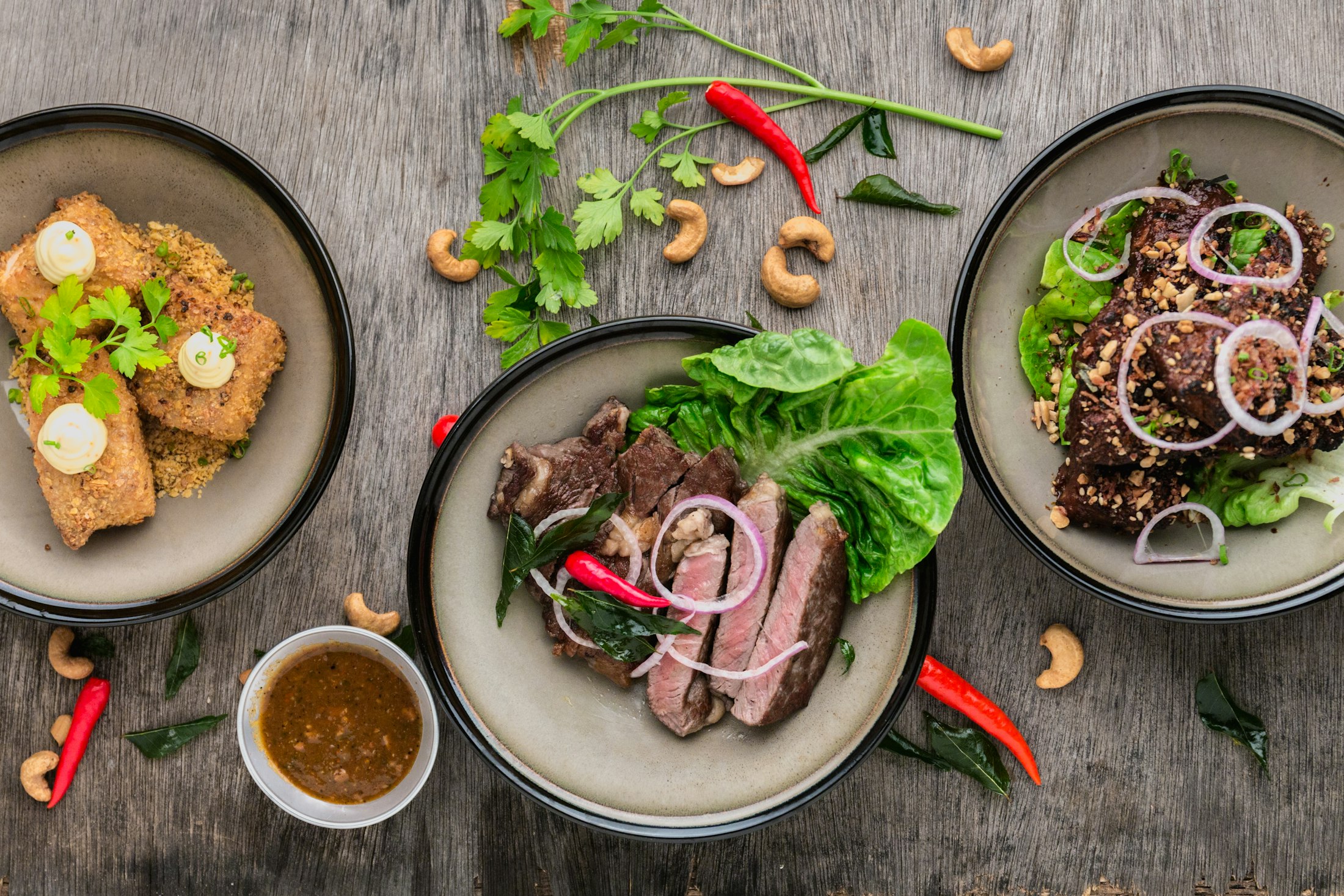
La Chaya Maya on Calle 62 between 57 and 59 serves papadzules — tortillas rolled around hard-boiled egg in a pumpkin-seed sauce — for around 95 pesos. It gets crowded by 8 p.m., so eat early, then walk to the park. If you want something fast, the marquesita carts around the park sell those crispy rolled crepes filled with Edam cheese and Nutella for 30–40 pesos. They're not health food. They're perfect after two hours of sitting on a metal chair.
Pro tip:Ordering "queso de bola" at a marquesita cart gets you the Edam cheese, which is the Yucatecan move. Skip the cajeta-only version.
5. Where to sit, where to stand
The metal chairs fill from back to front, which is the opposite of what you'd expect. Locals prefer the back rows under the deepest part of the arcade because that's where the roof protects you if rain rolls in. Front-row seats get wet.
If the chairs are gone, stand along the left side of the arcade (facing the stage). The sound carries better there — something about the angle of the wall. Standing on the right side puts you closer to the food carts, which means competing with the hiss of a plancha and the smell of frying tortillas. Not the worst problem to have, but it pulls your attention.
I made the mistake of sitting on the low stone wall across the street last time. You can hear the music fine, but you're outside the arcade's atmosphere entirely. Felt like watching the party from a bus stop.
Pro tip:Arrive by 8:30 p.m. to claim a chair. By 8:50, you're standing.
Stay in Mérida
Top-rated hotels near Mérida
Best locations · Verified reviews · Free cancellation
View deals
Expedia →6. Trova is not mariachi
This matters. Trova yucateca descends from the Colombian-Cuban bolero tradition, filtered through the Yucatán's long history of looking more toward Havana than Mexico City. The instruments are guitars and requintos, not trumpets. The vocals are close-harmony duets and trios, not belted solos. The tempo is slower. The lyrics are about love, loss, and Mérida itself — sometimes all three at once.
Guido Pastor Magaña and the Trío Los Juglares are names worth knowing. If you hear either announced by the emcee, you're in for a good night. The Serenata rotates its lineup, so there's no guarantee who'll perform on any given Thursday.
A fragment of a lyric I can't shake: something about white walls turning gold in the afternoon. I've tried to find the song title since and failed.
7. What Thursday night looks like beyond the park
The Serenata doesn't exist in isolation. Thursday nights in Centro Histórico have their own gravity. Calle 60 between the main plaza and Santa Lucía fills with strolling families, balloon vendors, and the occasional fire performer. Loose and slow-moving — the kind of scene that rewards aimless walking.
After the Serenata ends, a few bars on Calle 62 stay open past midnight. La Negrita, on Calle 62 between 49 and 51, pours xtabentún — an anise-honey liqueur made from local flowers — neat or over ice for about 60 pesos. The crowd skews younger and louder than the Serenata audience, which is either a good transition or a jarring one depending on your mood.
Pro tip: Xtabentún tastes like black licorice married honey. If that sounds terrible to you, order a León clara instead. No shame in it.
8. The weather you'll actually get
Nobody writes about Mérida's heat with enough honesty. From March through September, daytime temperatures routinely hit 36–40°C (97–104°F) with humidity that makes it feel worse. By 9 p.m. on a Thursday, it's dropped to maybe 28–30°C, which is bearable but not cool. You will sweat in your chair. The stone arcade helps.
Dry season — November through February — is the comfortable window. Evenings drop into the low 20s Celsius and the breeze off the Gulf makes the park feel temperate. December and January Thursdays draw the biggest Serenata crowds, which means more atmosphere but fewer chairs.
Bring water. The vendors sell bottles for 15–20 pesos, but they run out on busy nights.
Stay in Mérida
Top-rated hotels near Mérida
Best locations · Verified reviews · Free cancellation
View deals
Expedia →Essential tips
Pack a lightweight rain shell for any Thursday visit June–October. Rain is nearly guaranteed, and the Serenata plays through it.
Arrive at Parque Santa Lucía by 8:30 p.m. to get a chair. Back rows under the deepest arcade overhang stay driest.
Use Uber or a taxi to get within a few blocks, then walk. Don't drive — street closures on Calle 60 make parking a 25-minute ordeal.
Bring your own water bottle. Vendors sell water for 15–20 pesos but run out on high-attendance nights in dry season.
Eat dinner on Calle 62 before the show, not on Calle 60. La Chaya Maya's papadzules for 95 pesos beat any tourist-strip option nearby.
Ready to visit Mérida?
Book your hotel, flights, and activities through our Expedia-powered search.