In This Guide
- 1.Getting here and when the weather actually matters
- 2.The ghost platforms on Calle 17
- 3.Sopa de lima at Doña Evelia's, and why I'll argue about it
- 4.Skip the Chuburná church tour
- 5.Calle 50: the hardware-store corridor that doubles as a history lesson
- 6.Where to stay if you actually want to sleep in this neighborhood
- 7.Storm-walking: what a norte actually feels like
- 8.Evening: marquesitas on Calle 21 and not much else
- 9.Getting out: Chuburná Puerto and the coast road
The rain came sideways off the Gulf, and I was standing on a crumbled rail platform in Chuburná — not Chuburná Puerto, the beach town, but the old henequen neighborhood bolted onto the northwest edge of Mérida's centro. The Decauville narrow-gauge tracks are gone. The hacienda loading docks are half-swallowed by strangler figs. But the streets still follow the logic of that rail network, and if you walk them during a norte storm in November, you'll have entire blocks to yourself.
This isn't the Mérida most people fly into. Paseo de Montejo gets the tour buses. Santa Ana gets the mezcal bars. Chuburná gets stray dogs and old men on plastic chairs and the best sopa de lima I've had in the Yucatán — and I realize that's a fight-starting sentence. I'm comfortable with it.
1. Getting here and when the weather actually matters
From Mérida's airport (MID), Chuburná is a 25-minute cab ride if traffic cooperates — more like 40 during school drop-off hours around 7:30 a.m. Uber operates in Mérida and runs 120–180 MXN from the terminal. Ask for Calle 50 and Calle 21 as your landmark; that intersection sits at the neighborhood's gut.
Mérida is hot. Punishingly hot from April through August, with humidity that makes 38°C feel like 45°C. The norte storms roll in from October through February, dropping temperatures into the mid-20s and unleashing sideways rain for hours at a stretch. I prefer the nortes. You get drama, you get empty streets, and restaurant owners actually have time to talk to you. Dry-season visitors in March get decent weather without the worst heat, but the city feels scrubbed of its mood.
Pro tip:Pack a light rain shell even in March — afternoon squalls happen year-round, and Chuburná's streets flood at the curbs within minutes.
2. The ghost platforms on Calle 17
Walk northwest along Calle 17 from the intersection with Calle 50 and you'll pass three former rail stops within six blocks. No plaques. No signs. What you'll notice are slightly raised concrete pads — maybe knee-height — set back from the street behind overgrown walls. These were loading platforms for the Decauville rail cars that hauled processed henequen fiber to the port.
The first one, near the corner of Calle 17 and Calle 56, still has iron bolt anchors visible in the stone. The second, two blocks further, has been absorbed into someone's front yard and is now a dog-napping station. The third is the most intact and sits behind a locked gate attached to what was once the Hacienda Chuburná casco — the main house, now subdivided into apartments.
I spent an hour wandering these blocks in a drizzle last November. Nobody hassled me. Nobody tried to sell me anything. The loudest sound was a rooster.
3. Sopa de lima at Doña Evelia's, and why I'll argue about it
Here's my contrarian take: the best sopa de lima in Mérida isn't at Los Almendros or La Chaya Maya or any of the sit-down restaurants tourists default to on the plaza. It's at a nameless comedor on Calle 21 between Calles 50 and 52 that everyone in Chuburná calls Doña Evelia's after the woman who ran it for decades. Her daughter operates it now.
The soup costs 65 MXN. It comes with strips of fried tortilla, shredded turkey (not chicken — turkey is the Yucatecan original), and enough lima agria to make your sinuses open. The broth is clear, deeply aromatic, and tastes like someone spent actual hours on it rather than rehydrating a base. I've eaten sopa de lima at maybe fifteen restaurants in Mérida over four trips.
Open roughly 8 a.m. to 3 p.m., Monday through Saturday. No sign on the door — look for the turquoise façade with a Coca-Cola cooler visible through the entrance. They also do panuchos de cochinita that are worth ordering, but the sopa is the reason to walk over here.
Pro tip:Go before 11:30 a.m. By noon the turkey runs out and they substitute chicken. It's fine, but it's not the same.
Stay in Mérida
Top-rated hotels near Mérida
Best locations · Verified reviews · Free cancellation
View deals
Expedia →4. Skip the Chuburná church tour
A couple of walking-tour outfits in the centro include Chuburná's Iglesia de San Mateo on their "colonial churches" route. Skip it. The church was rebuilt so aggressively in the 1970s that what you're looking at is basically a concrete box with a colonial-era bell out front. If you want real henequen-era architecture, the hacienda cascos along Calles 17 and 19 are far more interesting and free.
Spend the 200 MXN tour fee on panuchos instead.
5. Calle 50: the hardware-store corridor that doubles as a history lesson
Calle 50 running through Chuburná is lined with ferretería shops — hardware stores selling rope, chain, machetes, and industrial supplies. These businesses descend directly from the supply chain that fed the henequen haciendas. When sisal fiber was Yucatán's main export in the late 1800s and early 1900s, this corridor moved equipment to the processing plants.
Today it's still utilitarian. You can buy a hammock hook for 15 MXN and a 50-meter coil of henequen rope for about 180 MXN. No marked-up pricing, no English signage, but pointing and smiling works.
Ferretería Don Pepe, near the corner of Calle 21, has been there since the 1960s according to the owner's grandson, who showed me a faded photo of the original storefront. Same tile floor.
Pro tip: If you need a cheap hammock, the ferreterías sell unfinished henequen-fiber hammocks for 250–400 MXN — rough on the skin but authentic. The cotton ones at the Mercado Lucas de Gálvez are more comfortable for sleeping.
6. Where to stay if you actually want to sleep in this neighborhood
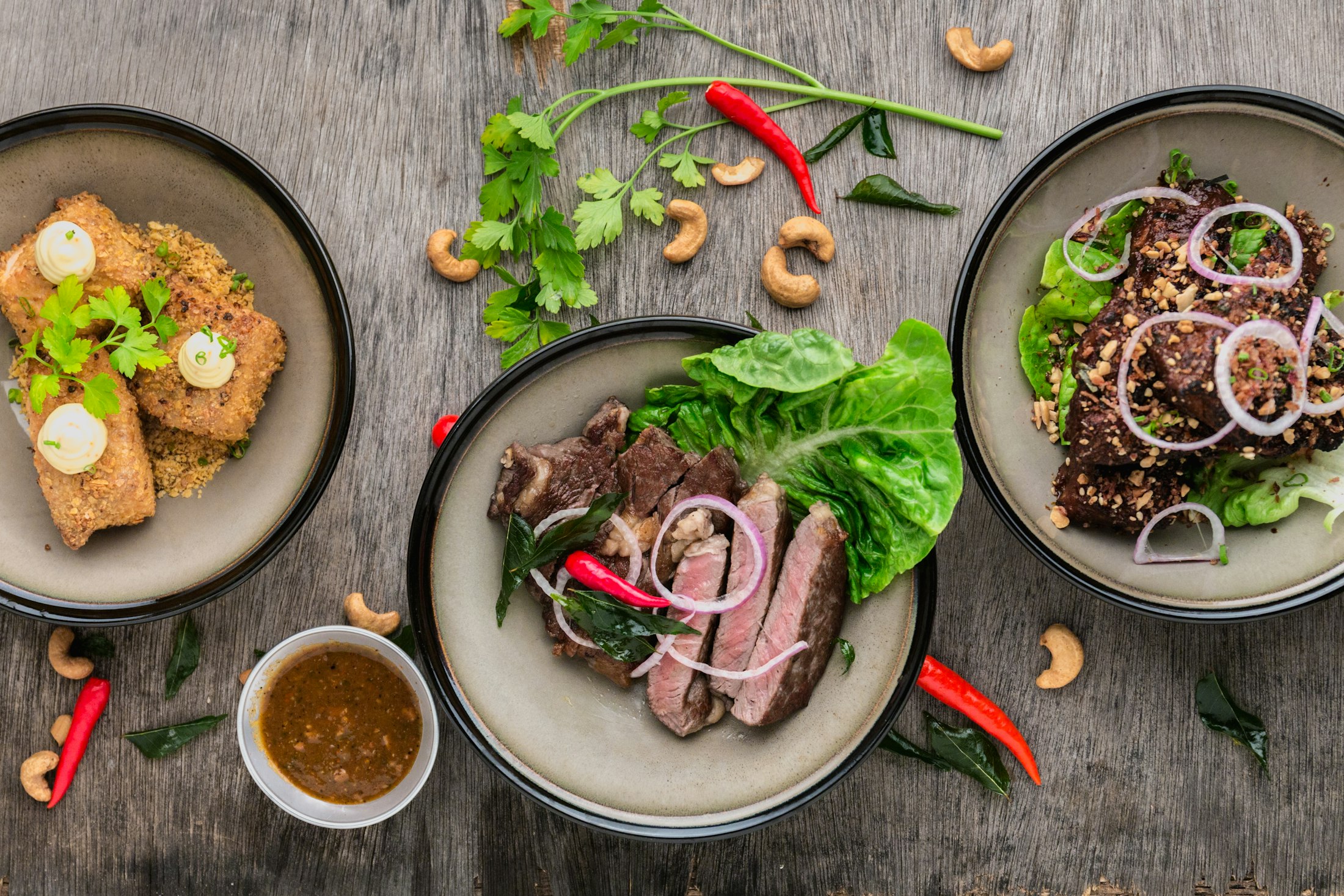
Chuburná has exactly one dedicated guesthouse that I know of: Casa Colibrí, on Calle 19 between 50 and 52. Three rooms, each with a ceiling fan and air conditioning, opening onto a courtyard with a small plunge pool. Rates run around 900–1,200 MXN per night depending on season. The owner, Alejandro, is a retired architect from Mexico City who bought the house in 2017 and restored it himself. No breakfast included, but Doña Evelia's is a three-minute walk.
Most visitors stay in Santiago or the centro and cab over. That's reasonable. But sleeping in Chuburná means you hear the neighborhood wake up — tortillerías cranking at 5:30 a.m., the garbage truck's brass bell, roosters competing with church bells. Not quiet. Specific.
Pro tip: Book Casa Colibrí directly by WhatsApp — the listing on Booking.com is outdated and shows the wrong price.
Stay in Mérida
Top-rated hotels near Mérida
Best locations · Verified reviews · Free cancellation
View deals
Expedia →7. Storm-walking: what a norte actually feels like
Y'all should experience a Yucatecan norte at least once. The wind shifts hard from the north, the temperature drops ten degrees in an hour, and rain sweeps horizontally through streets that were baking twenty minutes earlier. Locals pull out jackets. Actual jackets. In the tropics.
Chuburná's low-rise buildings and wide streets mean the wind hits harder here than in the dense centro. I walked Calle 17 during a norte in November 2023 and had to brace against a wall near the old rail platform. The rain wasn't cold — maybe 24°C — but the volume was staggering. Gutters turned into rivers. The morning after is the best weather Mérida produces — cool, washed clean, no haze.
8. Evening: marquesitas on Calle 21 and not much else
Chuburná empties out after dark. This isn't a nightlife neighborhood. By 8 p.m. the comedores are closed and the streets belong to dogs and motorcycles.
But around 7 p.m., a marquesita cart sets up on the corner of Calle 21 and Calle 54. Marquesitas are thin, crispy rolled crepes filled with Edam cheese (queso de bola) and whatever else you want — Nutella, cajeta, condensed milk. The cheese-only version is the correct order. 35 MXN. The guy running the cart has been there every evening I've visited, though I can't promise he's there seven days a week.
After that, walk twenty minutes southeast into Santiago or Santa Ana if you want a drink. Or just go to bed. Mérida mornings are better than its nights.
9. Getting out: Chuburná Puerto and the coast road
Don't confuse the neighborhood with Chuburná Puerto, the fishing village 30 kilometers north on the Gulf coast. They share a name because the rail line connected them — henequen went from the haciendas through Chuburná barrio to Chuburná Puerto for shipping.
The drive takes about 40 minutes via the Mérida–Progreso highway. Colectivos leave from Calle 62 near the Parque de San Juan in the centro, not from Chuburná itself, and cost around 25 MXN. At the port village, there's a malecón, a handful of ceviche stands, and a wide beach that fills up on weekends but stays mostly empty midweek. I made the mistake of going on a Sunday in December once — wall-to-wall families, no shade, and a 45-minute wait for fried fish.
Go on a Tuesday. Bring your own shade. The ceviche at the blue stand closest to the lighthouse runs 90 MXN for a generous bowl of caracol.
Pro tip:If you're driving, fill up in Mérida. There's one Pemex station on the highway and its pumps were out of service both times I passed through.
Essential tips
Norte season runs October through February. Storms drop temperatures into the mid-20s°C and bring horizontal rain — carry a packable rain jacket and waterproof bag for your phone.
Almost nowhere in Chuburná accepts cards. Bring cash in small denominations — 50 and 100 MXN bills. The nearest ATM is a Banorte on Calle 50 closer to the centro, roughly a 10-minute walk southeast.
Uber works in Mérida but drivers sometimes cancel rides to Chuburná because it's a short trip with little surge pricing. Hail a white city taxi on Calle 50 if you get stuck — flag rate is around 35 MXN.
Very little English is spoken in Chuburná. Basic Spanish — or even just a translation app with offline Yucatecan Spanish downloaded — goes a long way. 'Sopa de lima, por favor' will get you far.
Ready to visit Mérida?
Book your hotel, flights, and activities through our Expedia-powered search.