In This Guide
- 1.What panela actually is (and isn't)
- 2.Getting to the trapiches south of Santa Elena
- 3.The taste difference between trapiche panela and supermarket panela is not subtle
- 4.Don Héctor's trapiche and why the mule still matters
- 5.The aguacero problem (and why it's actually not a problem)
- 6.Bringing panela home and what to do with it once you're there
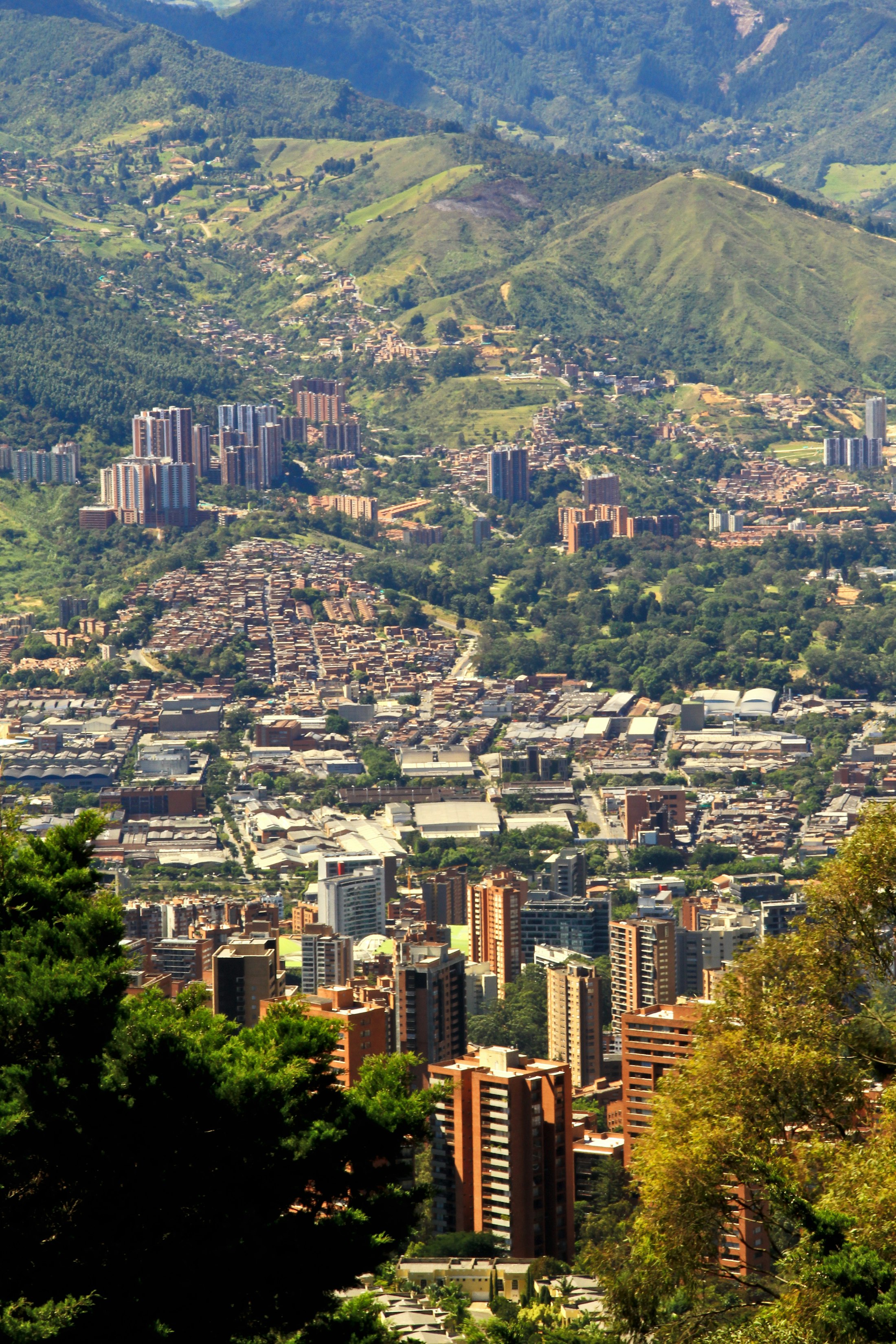
The rain hit sideways, the way it does on the road south out of Medellín toward Santa Elena and then past it, where the asphalt narrows and the bus driver starts making decisions you wouldn't. I was riding a chiva with no particular return plan, and somewhere past the hamlet of El Retiro the sugarcane closed in on both sides of the road like green walls and the air turned thick and sweet, the kind of sweet that sticks to your arms. This is where panela still gets made the old way — raw sugarcane fed by hand into iron trapiche mills, the juice boiled down in open copper pots over wood fires until it hardens into those rough golden blocks you see stacked at every tienda in Colombia but rarely think about. Most travelers blow through Medellín's southern rural edge on their way to the Río Claro or skip it entirely. That's a mistake, and not a small one.
1. What panela actually is (and isn't)
Panela is not brown sugar. I need you to hear me on this because every English-language food blog gets it wrong, calling it "unrefined brown sugar" like it's a substitute product waiting to be upgraded. It isn't. Panela is the whole juice of the sugarcane, boiled and concentrated with nothing removed — no centrifuge, no molasses separation, no refinement at all. The flavor is deeper than any sugar: there's a fermented grassiness, a hint of smoke from the wood fire, and a mineral finish that changes depending on the altitude where the cane grew.
Colombia is the world's second-largest panela producer after India, and per capita, Colombians consume more of it than anyone on earth. In the rural south of Antioquia, the trapiches — small mills, often family-run for three or four generations — still press cane with vertical iron rollers powered by mules or small diesel engines. The juice runs through a channel into a series of copper or steel pots called pailas, each one hotter than the last, where it reduces over several hours into a thick caramel that gets poured into wooden molds.
The finished blocks weigh about a pound each. At a tienda in Medellín you'll pay around 3,000–4,000 COP for one.
Pro tip:If someone offers you panela that's bright uniform yellow, it's been chemically clarified. The good stuff is uneven in color — dark amber with lighter streaks.
2. Getting to the trapiches south of Santa Elena
You don't need a tour operator. I'll say that upfront because the Medellín travel industry has gotten very good at packaging every rural experience into a $60-per-person excursion with a bilingual guide and a branded jeep, and for this particular trip, that's overkill.
From the San Antonio metro station, catch a bus toward Santa Elena (look for the ones marked "Santa Elena" or "Piedras Blancas" at the Terminal del Norte — departures roughly every 20 minutes, 4,500 COP). Ride about 45 minutes past the silletero flower farms. Tell the driver you want to get off near Vereda Piedra Gorda or Vereda El Placer, both of which have working trapiches visible from the road. You'll know you're close when you smell it — caramelizing cane juice carries hundreds of meters.
Last time I was there in March, I walked straight up a dirt track toward the smoke and found a family mid-press, three generations working the same mill. Nobody charged admission. They handed me a gourd of guarapo — fresh cane juice, still warm and foamy — and went back to work.
Pro tip:Go on a Saturday morning. Weekday pressing happens but it's inconsistent, and some families only fire up the paila on weekends when they have enough cane cut.
3. The taste difference between trapiche panela and supermarket panela is not subtle
Skip the panela at Éxito or Carulla. It's fine for cooking, but it tastes like what it is: industrial product from the Valle del Cauca processed at scale. The trapiche-made blocks from these southern Antioquia farms have a smokiness that supermarket panela simply doesn't, because the commercial stuff is processed with steam injection rather than open wood fire.
At the trapiches, you can usually buy blocks directly. I paid 2,000 COP per block at one farm near El Placer, which is roughly half the city price. Some families also make panela pulverizada — the blocks grated into a coarse powder — and a few produce flavored versions with clove or cinnamon pressed in. The clove panela dissolved into hot water makes the best aguapanela I've had anywhere in Colombia, and I've been drinking the stuff for six years across a dozen departments.
There's a version with lemon and cheese that tourists seem to love. I don't get it. The cheese overwhelms everything. Fight me.

Stay in Medellín
Top-rated hotels near Medellín
Best locations · Verified reviews · Free cancellation
View deals
Expedia →4. Don Héctor's trapiche and why the mule still matters
One of the more established operations is run by a man everyone calls Don Héctor, on a farm about twenty minutes by foot from the Piedra Gorda bus stop heading east uphill. His trapiche uses a mule — a big, calm gray one named Canela — walking in circles to turn the iron press. It's slower than diesel. That's the point.
Don Héctor will tell you, if you ask and if your Spanish is decent enough to follow his Antioqueño accent (which swallows half the consonants), that the mule-powered press yields a cleaner juice because it turns slower and doesn't overheat the rollers. I have no idea if this is metallurgically true. The panela tastes better than the diesel-pressed version two farms over, so maybe it is.
He doesn't have a phone number or a website. You just show up.
Pro tip: Bring cash in small denominations. Nobody out here has a Nequi reader or takes cards.
5. The aguacero problem (and why it's actually not a problem)
Every travel forum post about Medellín's countryside includes someone warning about the afternoon rains. Yes, it rains. Hard. Usually between 2 and 5 p.m., and yes, you will get wet if you're wandering dirt roads between trapiches. But the rain is warm, the farms don't stop pressing because of it, and the trapiche sheds are covered. You just stand under the tin roof drinking guarapo while the rain hammers down three feet away.
The temperature drops ten degrees, the smoke from the paila mixes with the wet earth smell, and the light goes silver. Best hour of the trip.
Don't let weather anxiety keep you in Laureles eating brunch. Skip the "silletero cultural experience" tours too, while you're at it — they're overpriced walking routes through flower farms that mostly exist for Instagram now.
6. Bringing panela home and what to do with it once you're there
Colombian customs won't stop you from taking panela out of the country, but U.S. Customs and Border Protection technically requires declaration of all food products, and solid panela blocks occasionally get flagged because agents don't know what they are. Wrap them in your checked luggage, declare them on the form, and you'll be fine. I've brought back a dozen blocks over the years without issue.
At home, grate the block on the coarse side of a box grater and use it anywhere you'd use brown sugar — it's better in oatmeal, incomparably better in coffee, and essential for making proper aguapanela. Dissolve about 50 grams of grated panela per cup of hot water, squeeze in half a lime, and drink it. That's the national drink of Colombia, and most visitors never try it because it doesn't appear on cocktail menus.
The blocks keep for months in a cool dry place. Wrap them tightly in plastic or they'll absorb every smell in your pantry.
Pro tip:If your panela develops a white powdery surface, it's not mold — it's sugar crystallization from humidity. Grate past it; the interior is fine.
Stay in Medellín
Top-rated hotels near Medellín
Best locations · Verified reviews · Free cancellation
View deals
Expedia →Essential tips
Buses from San Antonio to Santa Elena run roughly every 20 minutes and cost 4,500 COP. Tell the driver your stop clearly — the route is long and they won't guess.
Carry small bills: 2,000 and 5,000 COP notes. Farm sales are cash-only and nobody will break a 50,000.
Wear shoes you don't love. The paths between trapiches are red clay that stains permanently when wet, and they will be wet.
Basic Spanish is near-essential here. English is functionally nonexistent past Santa Elena. Learn 'trapiche,' 'panela,' and '¿puedo probar?' (can I try some?) at minimum.
Ready to visit Medellín?
Book your hotel, flights, and activities through our Expedia-powered search.


