In This Guide
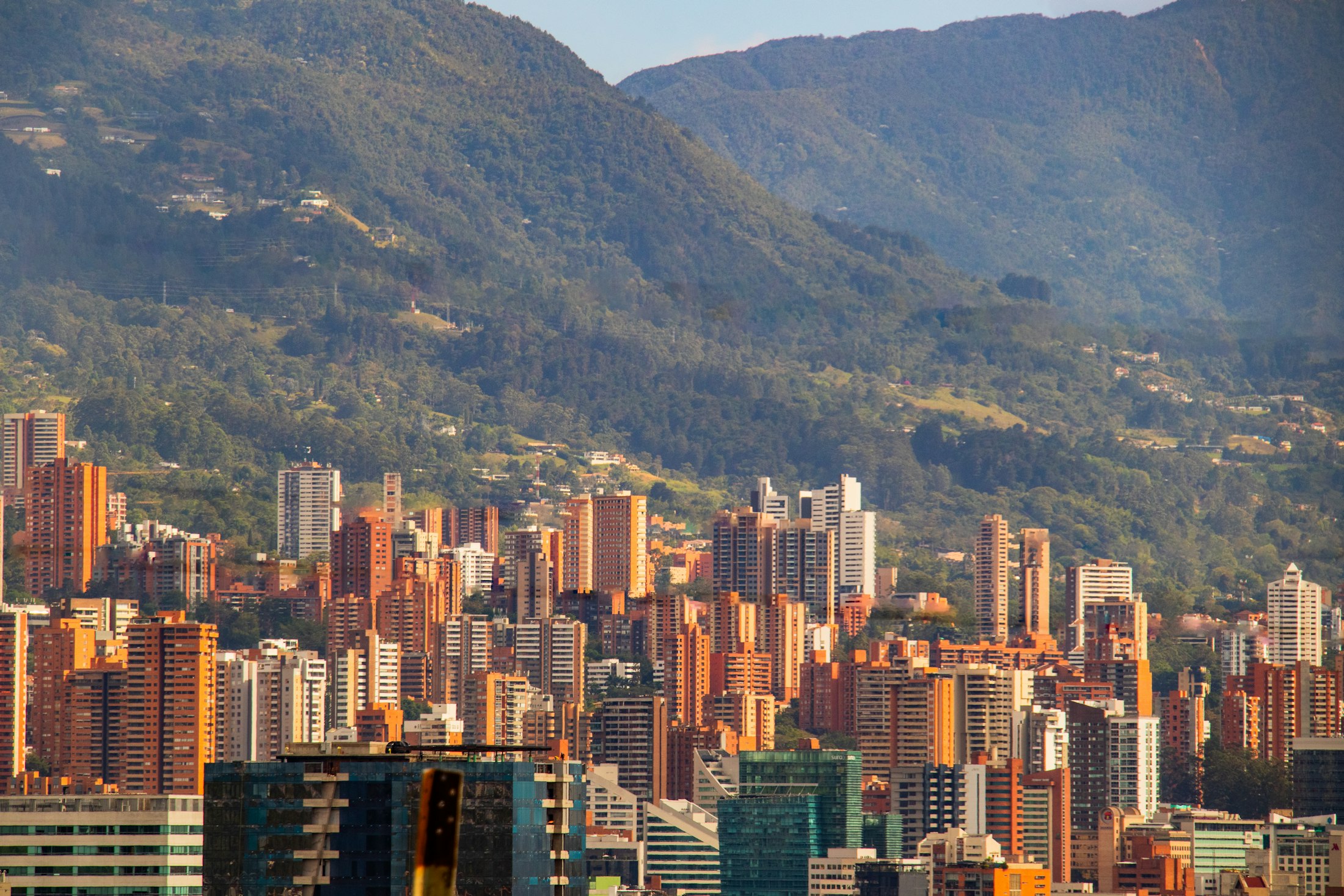
The first time someone hands you a cup of mango viche in Robledo, you'll think it's a prank. It's green. Aggressively green. The mango is unripe, basically a rock, and the liquid it becomes — salted, limón-spiked, sometimes with a hit of suero costeño — tastes like the Pacific coast got lost and ended up in a hillside barrio northwest of Medellín's center.
Robledo doesn't show up on food tours. The guides take you to El Poblado, maybe Laureles if they're feeling adventurous. But the Afro-Colombian families who migrated here from Chocó and Buenaventura brought viche culture with them — the artisanal sugarcane liquor, the green mango preparations, the whole cosmology of unripe fruit as medicine. I spent three rain-soaked days up there last March, and I'm still thinking about a $4,000 COP cup of something a woman named Doña Lucía made from a plastic cooler on Carrera 80.
1. What mango viche actually is (and isn't)
Let's clear something up: mango viche is not a cocktail. It's not a smoothie. It's a street preparation of green, unripe mango — typically the variety called mango de azúcar before it ripens — shredded or sliced, then doused in lime juice, salt, and sometimes a vinegary hot sauce that could strip paint. The word "viche" gets confusing because viche is also a sugarcane spirit from the Pacific coast, and yes, some vendors will spike your mango cup with it if you ask. But the default is non-alcoholic.
The texture throws people. You're chewing something firm, almost crunchy, with a tartness so extreme it makes your jaw clench involuntarily. That's the point. In Buenaventura and Tumaco, green mango has been eaten this way forever — it's pregnancy-craving food, hangover food, Tuesday-afternoon food. The migration to Medellín's comunas brought it to neighborhoods like Robledo, where it's now as much a part of the street-food fabric as empanadas.
Pro tip:If a vendor asks "¿con suero?", say yes. The fermented whey cuts the acid and adds a savory funk that makes the whole thing work differently.
2. Doña Lucía's cooler on Carrera 80
No storefront. No sign. Doña Lucía sets up most afternoons around 2 p.m. near the intersection of Carrera 80 and Calle 65, close to the Robledo metro station, with a blue cooler and a cutting board scarred from years of use. She's been doing this for — depending on which neighbor you ask — somewhere between eight and fifteen years.
Her version is the benchmark. Green mango shredded into long strips, heavy on the salt, with a homemade ají that she keeps in a repurposed aguardiente bottle. A cup runs $4,000 COP (about a dollar). She also sells borojó juice, which tastes like someone blended a forest floor with brown sugar, and it's genuinely good if you can get past the appearance.
She doesn't work Mondays. I showed up on a Monday.
3. Skip the 'authentic' Pacific food in El Poblado
I know there are restaurants in El Poblado serving encocado and aborrajados and calling it Pacific coast cuisine. Some of them charge $45,000 COP for a plate of fish in coconut milk that costs $12,000 in Robledo. The plating is nicer. The fish is worse. This is the hill I'll die on.
The Pacific coast diaspora restaurants in Robledo — and there are several along Carrera 80 between Calles 64 and 69 — cook with the same hands that cooked in Quibdó. A place called Sabores del Pacífico (no relation to the chain-ish spots downtown) does a fried whole mojarra with patacones and a coconut rice that's properly sweet, not the sanitized version. Lunch there: $15,000-$18,000 COP. The dining room is a converted living room with plastic chairs and a TV playing novelas at full volume.
You're not paying for ambiance. You're paying for a woman who learned arroz con coco from her grandmother in Istmina and hasn't changed the recipe because some food blogger told her to add lemongrass.
Pro tip:Go between 12:00 and 1:30 p.m. for the corrientazo (set lunch). After 2 p.m., the best proteins are gone and you're stuck with whatever's left in the pot.
Stay in Medellín
Top-rated hotels near Medellín
Best locations · Verified reviews · Free cancellation
View deals
Expedia →4. The rain problem (and why it's actually the point)
Robledo sits high enough on Medellín's northwestern slope that it catches weather the rest of the city dodges. Afternoon downpours roll in around 3 p.m. most days from March through May and again in October-November. Streets flood briefly. Vendors disappear.
But the rain is why the mango viche ritual exists the way it does here. You eat it fast, standing under an awning, watching water sheet off corrugated roofs. The clench of sour mango, the burn of ají, the cool of rain-chilled air. It wouldn't be the same in some air-conditioned food hall.
Bring an umbrella. A real one, not those telescoping things that collapse in actual wind.
Stay in Medellín
Top-rated hotels near Medellín
Best locations · Verified reviews · Free cancellation
View deals
Expedia →5. Getting there and getting back without a headache
Metro Line A to Estación Robledo. That's it. From the station, walk west on Calle 65 toward Carrera 80 — about seven minutes on foot. The neighborhood is residential, not tourist-facing, which means no English menus and no one trying to sell you a walking tour. This is a feature.
If you're coming from El Poblado, budget 40-50 minutes on the metro. A taxi or InDriver will run $18,000-$25,000 COP depending on traffic and whether the driver takes the Avenida 80 route or cuts through Aranjuez.
Don't go after dark if you don't know the neighborhood. Not because it's dramatically dangerous — it's working-class residential, not a war zone — but because the vendors are gone by 6 p.m. and you'll be wandering around looking for something that no longer exists for the day.
Pro tip: Load a Cívica card at any metro station to avoid buying individual tickets. You can use it on the metro, Metrocable, and feeder buses.
Essential tips
Ask for mango viche 'con todo' to get the full treatment — salt, lime, ají, and suero. Ordering it plain is like eating sushi without soy sauce.
Carry cash in small bills ($2,000 and $5,000 COP notes). Street vendors in Robledo don't take Nequi or card — this isn't a Laureles café.
Aim for late morning (10 a.m.–1 p.m.) to beat the afternoon rain. Vendors set up earlier on Saturdays.
Estación Robledo on Metro Line A is your landmark. Everything worth eating is within a 10-minute walk west of the station along Carrera 80.
Ready to visit Medellín?
Book your hotel, flights, and activities through our Expedia-powered search.


