In This Guide
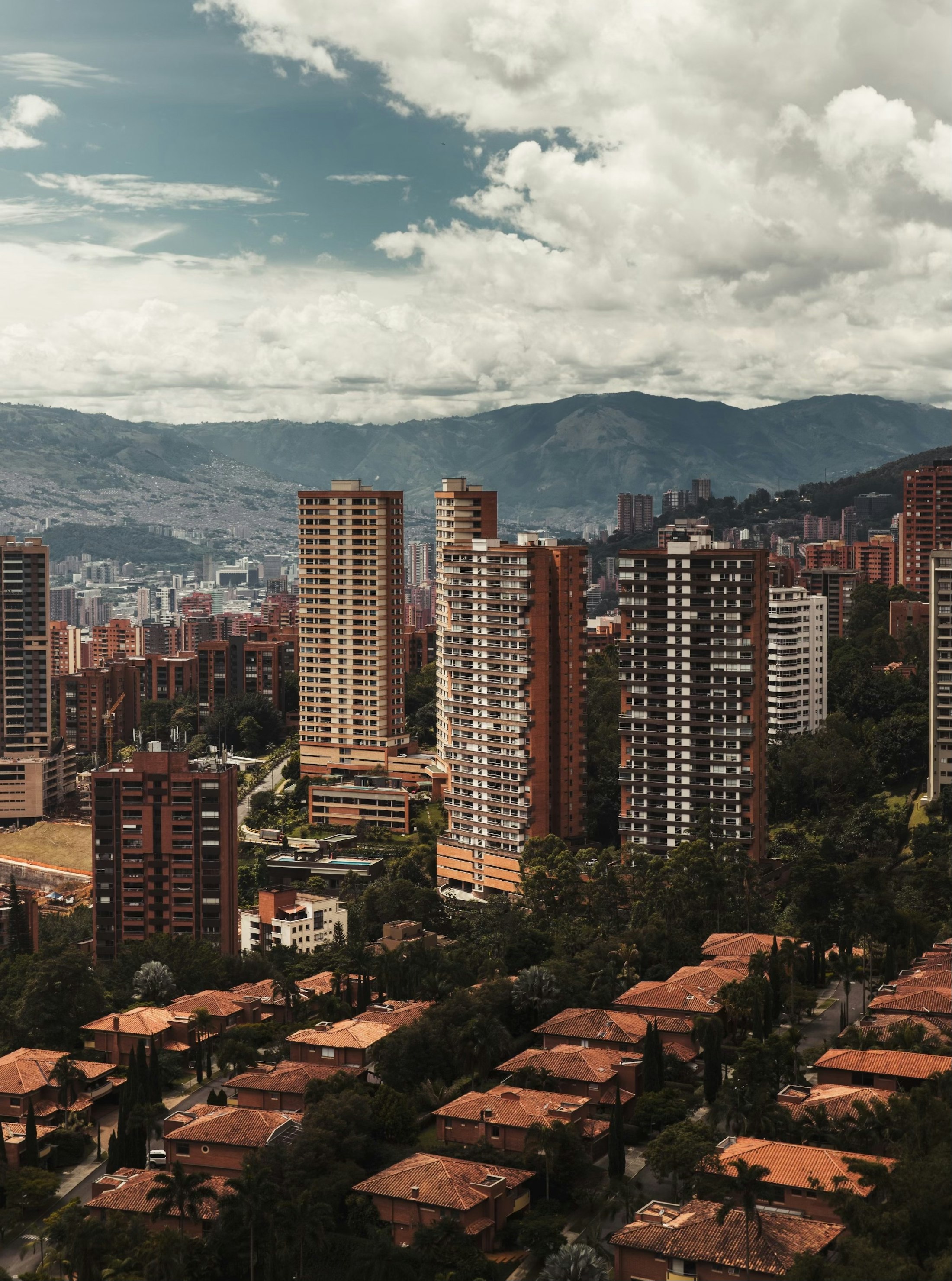
The rain started sideways at 2 p.m. — which is exactly what happens in Medellín's Buenos Aires barrio every afternoon from April through November. I ducked under a corrugated awning on Carrera 42 and watched a guy in his seventies carry a half-finished bandoneón body across the street like it was a sleeping infant. That's the kind of neighborhood this is. Not the Poblado bar crawl, not the El Peñol day-trip crowd. Buenos Aires sits southeast of the city center, uphill enough that your calves will know it, and it holds onto trades that most of Medellín has forgotten or outsourced.
Y'all hear a lot about Medellín's "transformation" — the escalators in Comuna 13, the craft beer in Laureles. Buenos Aires rarely makes the list. But the tango culture that Argentine immigrants brought here in the 1940s left a residue that's still sticky: luthiers, milongas, accordion repair shops, and at least one empanada stand that has no business being that good.
1. The luthiers on Calle 10 who don't want your Instagram
Three active luthier workshops remain in Buenos Aires, all within a six-block stretch of Calle 10 between Carreras 42 and 46. The most established is Taller Londoño, where Hernán Londoño has been building and repairing tango guitars and bandoneóns since 1987. He'll let you watch if you ask politely and don't shove a phone in his face. Last time I visited in March 2023, he was re-tuning the reeds on a German-made Doble A bandoneón that a collector had shipped from Cali.
The wood shavings on the floor smelled like cedar — imported from the Quindío department — and Hernán will tell you at length why Colombian cedar beats the Argentine stuff for fretboards. I'm not qualified to argue.
Skip the "tango museum" storefront on Carrera 44 near Calle 9. It's three poster boards and a mannequin in a fedora. The workshops are the museum.
Pro tip: Hernán keeps irregular hours but is almost always in the shop Tuesday through Saturday, 9 a.m. to 1 p.m. Knock on the metal door even if it looks closed.
2. Salón Málaga and the milonga schedule nobody posts online
Salón Málaga on Carrera 51 #45-80 is the oldest tango bar still operating in Medellín. The interior is dark, the floor is worn to a polish, and the jukebox — an actual jukebox — carries more Pugliese than Piazzolla. Most write-ups call this place a relic. I'd call it the only bar in the city where nobody's looking at a screen.
The milongas happen on Friday and Saturday nights starting around 8:30 p.m. But here's the thing most guides miss: there's an informal Tuesday afternoon session that starts closer to 4 p.m. and draws a smaller, older crowd. No cover charge on Tuesdays. Fridays and Saturdays run around 10,000 COP at the door.
Drink the aguardiente. The craft cocktail trend hasn't touched this place, and that's a feature. A bottle of Aguardiente Antioqueño runs about 25,000 COP. They'll bring you shot glasses and a plate of lime wedges without asking.
Pro tip: The Tuesday afternoon milonga ends abruptly when it starts raining — usually by 3:30 or 4 p.m. during wet months. Arrive by 2 p.m. if you want to see any dancing.
Stay in Medellín
Top-rated hotels near Medellín
Best locations · Verified reviews · Free cancellation
View deals
Expedia →3. What to eat (and what to walk past)
Empanadas Luz on the corner of Calle 10 and Carrera 45 has no signage, just a woman named Luz behind a fryer. The empanadas are 2,500 COP each, filled with potato and ground beef, and the ají she makes fresh every morning has a habanero bite that will clear your head. I've eaten four in one sitting. Not proud, not sorry.
For a real meal, Restaurante El Rancherito on Carrera 43 does a bandeja paisa for 18,000 COP that's honest and enormous. Thick-cut chicharrón.
Most people will tell you to try the bakeries in Buenos Aires. I'd push back on that — the pandebono and buñuelos here are fine but identical to what you'll find in any Medellín panadería. The empanadas and the tango bars are what make the trip worth the uphill walk. Don't come here for bread.
4. Getting there, and why you should care about the weather
Buenos Aires is a 15-minute cab ride from El Poblado or a 10-minute ride from the city center. From the San Antonio metro station, it's a 20-minute walk uphill — doable, but steep in places. A taxi from Poblado should run 12,000–15,000 COP on the meter.
Here's what nobody tells you: the barrio's streets flood. Not catastrophically, but enough that the steep sidewalks on Carrera 42 become streams during heavy afternoon downpours. Wear shoes you don't care about. The rain typically hits between 2 and 5 p.m. from April through November, and it's not a drizzle — it's a wall of water that lasts 30 to 90 minutes and then stops like someone turned off a faucet. Plan your visit for the morning.
December through March is drier, and the barrio feels different — louder, more foot traffic, doors propped open. That's when the luthiers drag their work onto the sidewalk.
Pro tip:Don't rely on rideshare apps for pickup in Buenos Aires — drivers cancel frequently because the streets are narrow and one-way. Walk down to Carrera 46 or Calle 10 to find a taxi on the main road.
Stay in Medellín
Top-rated hotels near Medellín
Best locations · Verified reviews · Free cancellation
View deals
Expedia →5. The street art is fine. Stop there.
Buenos Aires has murals. Some are good — particularly the large-scale piece on Calle 9 between Carreras 42 and 43 depicting tango dancers, painted by a local collective in 2019. But this isn't Comuna 13, and the guided graffiti tours that occasionally loop through here feel like they're stretching the itinerary. Skip them.
The barrio's draw is sound, not sight. The scrape of a hand plane on spruce in Hernán's workshop. Pugliese crackling from a speaker mounted above a doorway on a Tuesday afternoon.
Essential tips
Arrive before noon. Afternoon rain in Buenos Aires is near-guaranteed from April through November and turns steep streets into ankle-deep runoff by 3 p.m.
Carry cash in small bills — 2,000 and 5,000 COP notes. Most shops and food stalls in the barrio don't take cards, and the nearest reliable ATM is on Carrera 46 near the Parque de Buenos Aires.
Wear grippy, closed-toe shoes. The sidewalks are uneven, steep, and slick when wet. Sandals are a bad idea even in dry season.
Taxis on the meter, not a flat rate. The ride from El Poblado should be 12,000–15,000 COP. If a driver quotes 25,000, wave them off and grab the next one.
Ready to visit Medellín?
Book your hotel, flights, and activities through our Expedia-powered search.