In This Guide
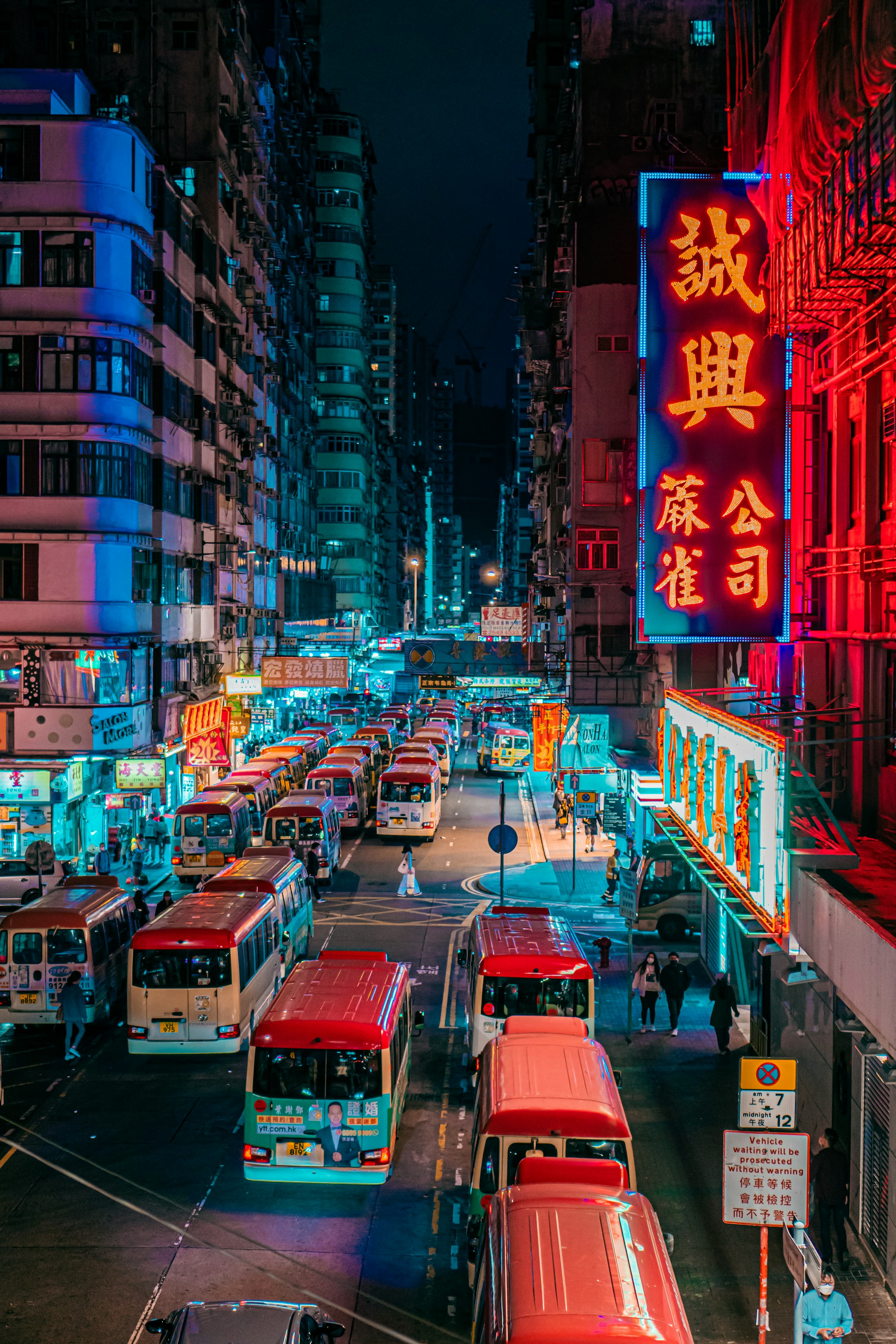
The No. 2 bus from Star Ferry drops you on Cheung Sha Wan Road in about twenty minutes, and by the time you step off, the air already smells different — rendered fat, soldering flux, wet cardboard. Sham Shui Po doesn't perform for visitors. It's too busy arguing over the price of ribbon cable and frying intestines to care what you think of it.
I came back last September, right at the tail end of typhoon season, when Signal No. 3 warnings were going up every few days and the streets ran ankle-deep after each squall. Half the shops on Apliu Street had their metal shutters down. The dai pai dong smoke still found a way out. That's the thing about this neighbourhood: it operates on its own schedule, and the weather is someone else's problem.
1. The dai pai dong on Kweilin Street that doesn't need your Yelp review
There are maybe four or five proper dai pai dong stalls left in Sham Shui Po. The licensed ones, with the green metal frames and the corrugated roofing that amplifies rain into something percussive. The cluster near Kweilin Street and Hai Tan Street is the one to find.
Order the wok hei fried noodles. Not the tourist-friendly wonton soup — you can get that anywhere — but the dry-fried ho fun with beef, charred hard enough that the edges of the noodle sheets have gone translucent and crispy. Around HK$45-55 depending on the stall. You sit on a plastic stool that was last replaced during the Tung Chee-hwa administration, and you eat it fast because the smoke from the next table's clay pot is making your eyes water.
Skip the stalls closer to the MTR exit on the Nam Cheong Street side. They've started laminating their menus in English and raising prices accordingly. A laminated menu in a dai pai dong is a red flag the size of the Bauhinia.
Pro tip:Go between 6 and 7 p.m. on weekdays. By 7:30 the after-work crowd fills every stool, and you'll be standing with your plate balanced on a railing.
2. Rooftop pigeon lofts and the view nobody photographs
Most visitors don't know about the pigeon-keeping culture on the tenement rooftops. No heritage trail sign. You just hear the cooing from street level and look up past the laundry poles and air-conditioning units to see makeshift wooden lofts, some of them elaborate, bolted to rooftop railings six or seven storeys up.
The keepers are mostly older men. I watched one on Tai Nan Street coaxing his birds back in before a rainstorm, whistling a single note over and over. He had maybe thirty pigeons. The loft was built from shipping pallets and chicken wire, more carefully maintained than most things in the building below it.
You can't access these rooftops as a tourist — the stairwells are residential and locked. But from the upper floor of Jockey Club Creative Arts Centre (JCCAC) at 30 Pak Tin Street, you get a clear sightline across the rooftops toward Shek Kip Mei. On a post-typhoon morning, when the air has been scrubbed clean, the roofscape is worth the elevator ride. JCCAC is free to enter, open daily except some public holidays.
Stay in Hong Kong
Top-rated hotels near Hong Kong
Best locations · Verified reviews · Free cancellation
View deals
Expedia →3. Apliu Street in the rain is better than Apliu Street in the sun
The conventional wisdom is to visit Apliu Street's flea market on a clear day. I disagree. In typhoon season, after a downpour, the part-time sellers with their counterfeit phone cases and generic earbuds pack up and leave. What remains are the diehards: the guy who's been selling secondhand multimeters and oscilloscopes since before the handover, the woman with a card table of vacuum tubes, the old man with a suitcase of watch movements sorted into film canisters.
That's the actual market. The rest is filler.
Prices are negotiable but not dramatically so — these aren't souvenirs, they're components. A working vintage Sanyo cassette mechanism went for HK$80 last time I checked. A box of assorted capacitors, maybe HK$20. Nobody is performing the theatre of bargaining for your benefit. You either know what a 12AX7 tube is or you don't, and either way the price is the price.
Pro tip: Apliu Street runs between Nam Cheong Street and Yen Chow Street. The electronics sellers concentrate in the middle stretch. The ends are mostly fabric and phone accessories — skippable.
4. What to eat after midnight when the typhoon signal drops
When a signal goes down from No. 8 to No. 3, the neighbourhood exhales. Shutters roll up. By midnight the congee shops on Gui Lin Street are running again.
Lau Sum Kee at 48 Gui Lin Street does a pork liver congee that is aggressively plain — just rice porridge cooked until it has no visible grain structure, thin-sliced liver dropped in at the last second so it stays pink. Around HK$35. The shop has been here since the 1950s. The noodles get more press, but the congee at 1 a.m. after a storm is the thing I actually think about when I'm not in Hong Kong.
Bring cash. The card reader is decorative.
Pro tip:Lau Sum Kee closes when it runs out of noodle dough, which on a post-typhoon night can be early. If the lights are on, walk in. Don't deliberate.
Stay in Hong Kong
Top-rated hotels near Hong Kong
Best locations · Verified reviews · Free cancellation
View deals
Expedia →Essential tips
Take the MTR to Sham Shui Po station (Tsuen Wan line, exit C2 or D2). The bus from Star Ferry is cheaper at HK$5.80 but slower. Either way, skip taxis — the one-way streets around Apliu make every driver irritable.
Check the Hong Kong Observatory app (MyObservatory) for typhoon signals. Below Signal No. 8, the neighbourhood functions normally. At No. 8 and above, most shops close and the MTR may reduce service. The sweet spot for atmosphere is Signal No. 3 — rain, but operational.
Carry cash in small bills. Most dai pai dong, flea market stalls, and old-school noodle shops don't take Octopus or card. HK$500 notes will get you a look.
Wear shoes you don't mind soaking. The drainage on Apliu Street is Victorian in ambition and Qing dynasty in maintenance. After heavy rain, puddles pool at the Yen Chow Street end deep enough to swallow a sandal.
Ready to visit Hong Kong?
Book your hotel, flights, and activities through our Expedia-powered search.


