In This Guide
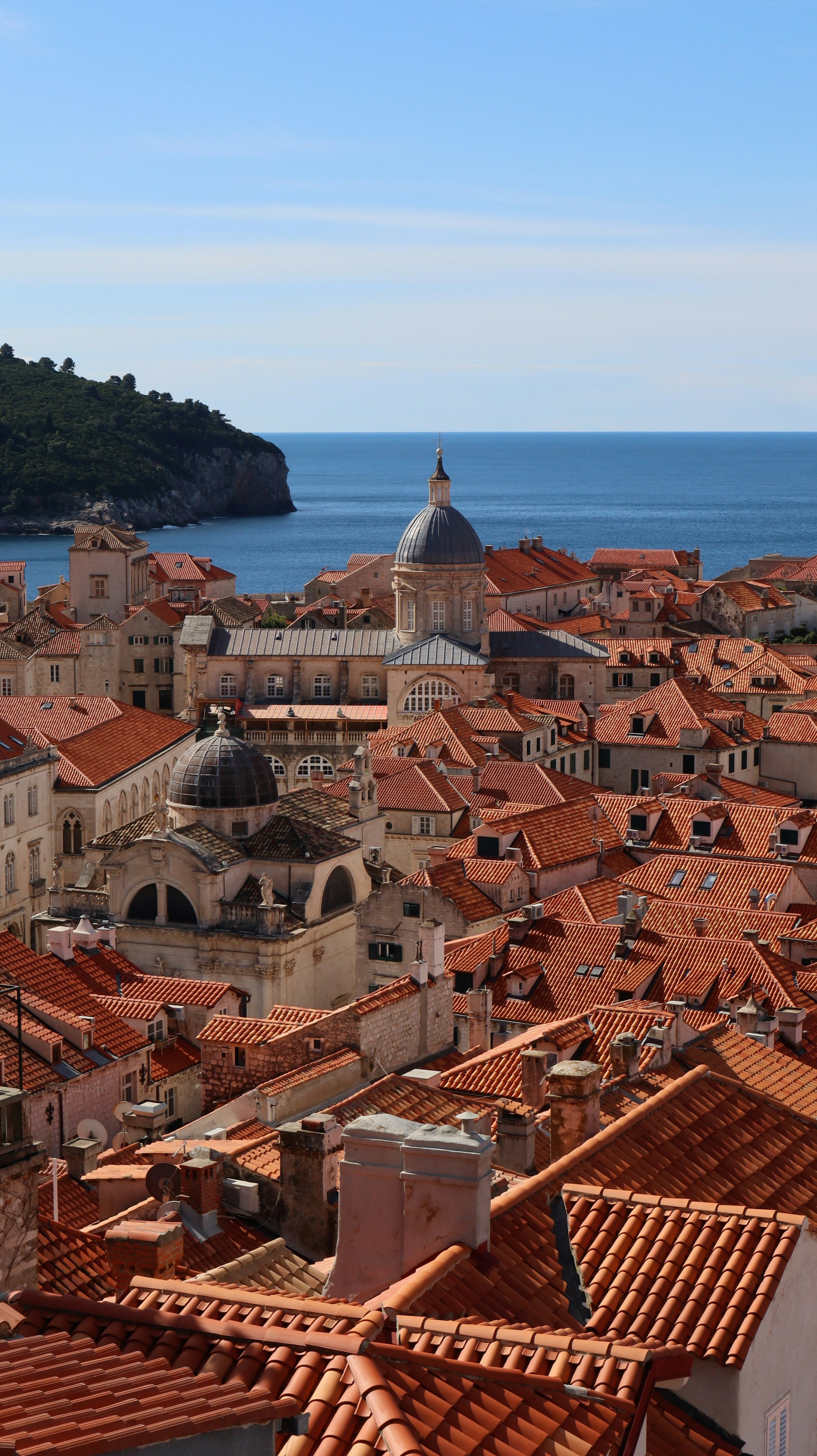
The cruise ships dock at Gruž. That's the part most passengers get wrong — they treat it as a bus stop, filing onto shuttles aimed at the Old Town walls 3 km southeast. By 9:15 a.m. the port empties out, and the neighborhood exhales.
Gruž sits at the head of a deep inlet, backed by limestone slopes that trap morning heat against the waterfront. Its central artery, Obala Stjepana Radića, runs along the harbor for about 600 meters between the cruise terminal and the Gruž open-air market. I walked it last June with a bag of cherries so dark they were almost black, juice running down my wrist, and I remember thinking: this is the Dubrovnik I actually like.
Cherry season runs roughly late May through the end of June, peaking around the second and third weeks of June. That window changes everything about the market. The rest of the year Gruž is fine. During cherry time, it's the reason to come.
1. The Gruž market, 6 a.m. to noon
Gruška tržnica opens at 6 a.m. and most vendors start packing up by noon. It sits on a wedge of pavement between Obala Stjepana Radića and the hillside, directly across the harbor from the Petka peninsula. No roof on the produce section — just folding shade canopies that vendors set up themselves.
During cherry season the front row is almost entirely fruit. Cherries from the Konavle valley, from Župa Dubrovačka, from backyard trees up in Zaton. Prices in June 2024 ranged from 25 to 40 kuna-equivalent in euros — roughly €3.50 to €5.50 per kilogram, depending on variety and how late in the morning you show up. The ones labeled "domaće" (homegrown) from older sellers who bring maybe 8–10 kilograms total tend to be sweeter and gone by 8 a.m.
Beyond cherries: figs won't arrive until August, but strawberries overlap with early cherry season. You'll find local honey (look for "med" signs), dried figs from the previous year, olive oil in recycled water bottles — that last one is a good sign, not a sketchy one. The cheese vendor near the back wall sells a semi-hard sheep's cheese from the Pelješac peninsula for around €15/kg that I'd put against any Pag cheese. That's a contrarian position in Croatia, but I'll stand on it.
Skip the lavender sachets. Every market in Dalmatia sells them, they smell like a rental car air freshener after two weeks, and they cost twice what you'd pay in Hvar or Split.
Pro tip:Bring your own bag. The vendors have thin plastic ones, but they'll split under 2 kg of cherries before you reach the harbor wall.
2. Where to eat what you didn't buy at the market
Konoba Jezuite, on Od Jezuita (technically in the Old Town), gets all the blog traffic. In Gruž, the better weekday lunch is at Konoba Ribar, Obala Stjepana Radića 34, where the grilled squid comes whole and flat-pressed, served with blitva and potatoes for around €14. They open at 11 a.m. and the terrace faces the harbor.
For morning coffee before the market: Café Bar Molat, a few doors east of the market entrance, does a competent espresso for €1.50. No latte art, no single-origin menu. Functional.
Pantarul at Ul. Kralja Tomislava 1 is a 10-minute walk north from the waterfront — uphill, maybe 40 meters elevation gain. They do a black risotto that people cross town for, and a burger that's better than it has any right to be on a seafood-focused menu. Reservations recommended for dinner; lunch is usually walkable. Mains run €14–22.
Pro tip: Pantarul closes between lunch and dinner service (roughly 3–5 p.m.). Check their posted hours on the door, not Google, which was wrong both times I looked.
Stay in Dubrovnik
Top-rated hotels near Dubrovnik
Best locations · Verified reviews · Free cancellation
View deals
Expedia →3. The harbor walk nobody takes
From the market, walk northwest along the harbor toward the Daksa ferry pier. The path follows the waterline for about 400 meters past fishing boats, a small boatyard, and apartment buildings with laundry hanging off second-floor balconies. Not scenic in a postcard way. Scenic in a "people actually live here" way.
At the end, a concrete swimming area drops into water deep enough to jump from — maybe 2.5 meters at high tide. Locals use it year-round. No entry fee, no lifeguard, no changing rooms. A flat rock shelf.
4. Getting between Gruž and the Old Town without the shuttle bus
City bus lines 1A and 1B connect Gruž to Pile Gate (Old Town's western entrance) in about 12 minutes. Fare is €2 if bought from the driver, €1.50 if you use a prepaid card from a kiosk — the one at the Gruž bus station sells them. Buses run every 10–15 minutes from roughly 5:30 a.m. to midnight.
Don't take a taxi from the port to Pile Gate. It's 3 km and they'll charge €10–15 for a ride that's barely worth the seatbelt click. The bus is faster during cruise-ship mornings because it uses a dedicated approach to Pile.
Walking takes 35–40 minutes along Ul. Ante Starčevića and then the main road, mostly flat, entirely unshaded past the Lapad junction. In June heat that shade gap matters. I'd only walk it before 9 a.m. or after 6 p.m.
Pro tip: If three or more cruise ships are docked — the port schedule is posted on dubrovnikport.hr — the 1A bus gets packed by 8:30 a.m. Walk five minutes past the cruise terminal to the Gruž bus station to board at the origin stop and guarantee a seat.
Stay in Dubrovnik
Top-rated hotels near Dubrovnik
Best locations · Verified reviews · Free cancellation
View deals
Expedia →5. What about the Old Town market?
Gundulićeva Poljana, the market square inside the Old Town walls, operates daily from around 7 a.m. to 1 p.m. and it's fine for small quantities of dried fruit or a jar of capers.
But the prices run 30–50% higher than Gruž for the same product, sometimes from the same vendor who drives down the hill. The crowd density between 10 a.m. and noon in summer makes it hard to actually examine what you're buying. Tourist-facing operations have also displaced some of the produce sellers in favor of lavender-oil displays and embroidered tablecloths.
Go once, see it, buy a bag of candied orange peel if you want. Then do your real shopping in Gruž.
6. Cherry season logistics
Peak cherry availability: roughly June 8–25, varying by a week depending on spring rainfall. The local varieties — mostly Konavle-grown "heart" cherries — are smaller and softer than what you'd find in a North American supermarket, which means they don't travel well. Eat them same-day.
If you're flying out of Dubrovnik Airport (DBV, 22 km southeast), don't try to bring a kilo of fresh cherries through security. They'll survive the X-ray but not the two-hour wait at the gate in a plastic bag. Dried cherries from the market — usually around €8 for a 200g bag — are the move for bringing something home.
Dubrovnik in late June is hot. Daily highs around 28–30°C, humidity off the harbor pushing it higher. The Gruž market has no shade infrastructure worth mentioning. Wear a hat, carry water, and be done by 10 a.m.
Pro tip:The cherries stain. Badly. Don't wear a white shirt to the market unless you want a souvenir you didn't plan on.
Essential tips
Cherry season peaks June 8–25. Arrive at Gruž market by 7:30 a.m. for the best selection from small-batch 'domaće' sellers.
Bus 1A from Gruž to Pile Gate: €1.50 with a prepaid card from the kiosk at Gruž bus station, €2 cash from the driver. Runs every 10–15 min.
Croatia switched to the euro in January 2023. Some older vendors still think in kuna and might quote prices that way — just confirm in euros before paying.
The Gruž market is fully exposed to sun. No shade canopy covers the aisles. Hat and water are non-negotiable after 9 a.m. in June.
Ready to visit Dubrovnik?
Book your hotel, flights, and activities through our Expedia-powered search.


