In This Guide
- 1.Why Al Fahidi works better at 45°C than at 25°C
- 2.Arabian Tea House: the one everyone knows, and why it still earns the visit
- 3.XVA Café and what courtyard coffee used to mean
- 4.The newer roasters: who's actually roasting, and who's just performing
- 5.SMCCU and the coffee you drink with context
- 6.Skip the Dubai Frame detour
- 7.The wind towers actually work — here's why that matters for your afternoon
- 8.Evening and the abra back
- 9.What nobody tells you about summer Dubai
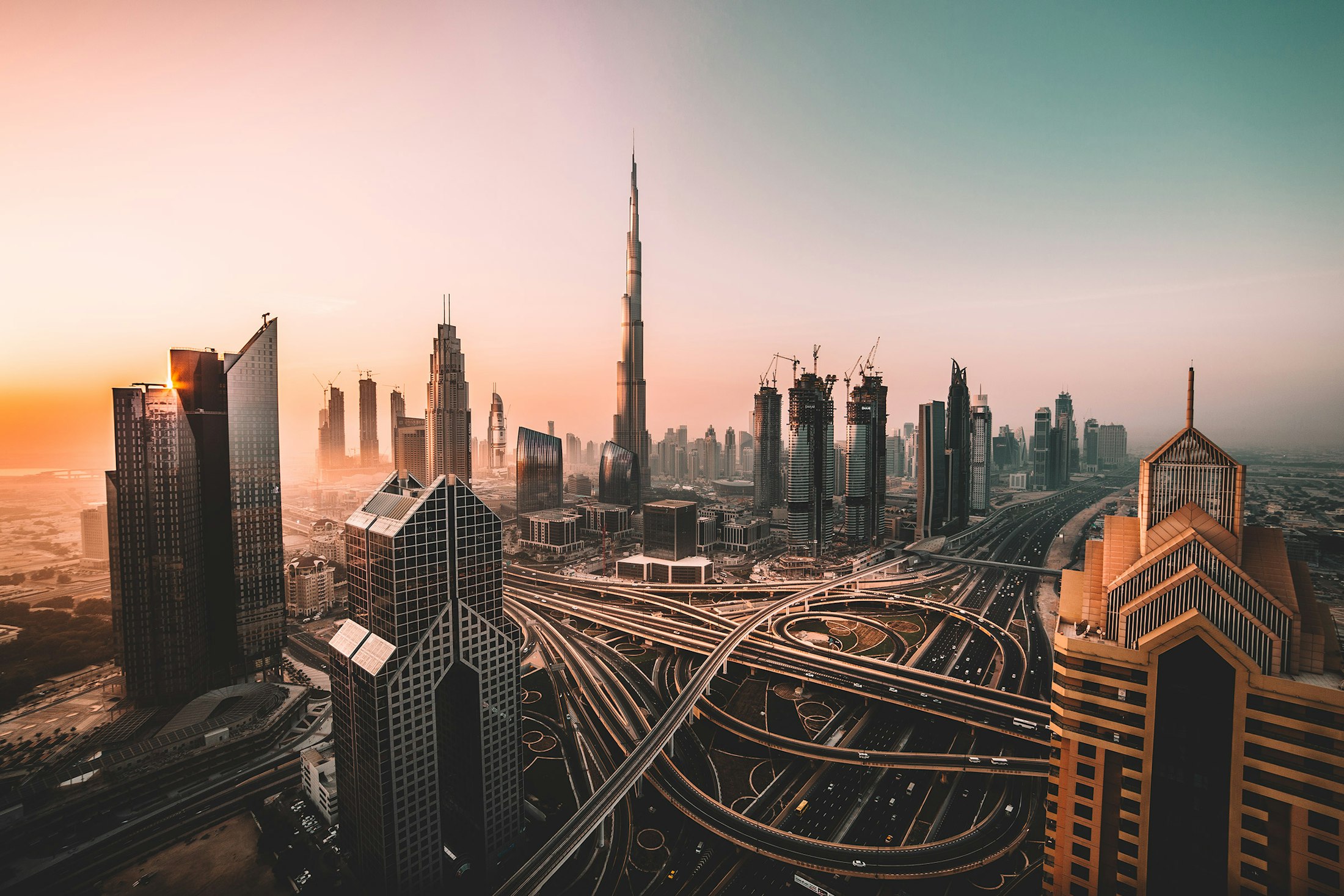
At 45°C, Dubai doesn't simmer — it punishes. The air above Sheikh Zayed Road warps like a slow hallucination, and the walk from a taxi to any door becomes a negotiation with your own sweat glands. Most visitors retreat to the climate-controlled enormity of the malls, which is fine, but it means they miss Al Fahidi entirely.
The Al Fahidi Historical Neighbourhood — built from coral stone and gypsum in the late 19th century, back when Dubai's economy ran on pearl diving and creek-side trade — was engineered for exactly this kind of heat. Its narrow sikkas funnel what little breeze exists off the creek, and the courtyard houses work on a passive cooling logic that predates air conditioning by a century. In the last decade, a handful of independent coffee roasters and café operators have moved into these restored courtyard spaces, and they've turned summer — the season most tourists avoid — into the quietest, most rewarding time to drink coffee in this city.
1. Why Al Fahidi works better at 45°C than at 25°C
This sounds counterintuitive, so let me explain. In the winter months — roughly November through March — Al Fahidi fills with tour groups, influencers doing content shoots against the wind-tower backdrops, and cruise-ship passengers on four-hour shore excursions. The narrow lanes get congested. The cafés run waits.
In July and August, almost nobody comes. The residents of the galleries and cultural spaces are still there, the café operators still pull shots, but the foot traffic drops to nearly nothing. I visited on a Tuesday in late July last year and counted eleven people in the entire neighbourhood over two hours, including staff. The courtyard spaces, which feel performative when crowded, become functional again — you sit under a barasti shade, the thick walls radiate coolness stored from the night, and the coffee actually tastes like coffee instead of a prop for your phone.
Pro tip: Enter Al Fahidi from the waterfront side near the Al Fahidi Fort, not from the main road entrance off Al Musallah Street. The creek-side approach is slightly longer but stays shaded for most of the walk.
2. Arabian Tea House: the one everyone knows, and why it still earns the visit
Arabian Tea House, on Al Fahidi Street inside the neighbourhood, is the most photographed café in old Dubai. The turquoise courtyard, the bougainvillea, the coloured cushions — you've seen it on every Dubai listicle published since 2017. I'd normally be suspicious of any place that shows up that reliably on social media, but the food is genuinely good and the Emirati breakfast (balaleet, chebab, eggs, cheese, date molasses) runs about AED 55.
The trick is timing. Before 9 a.m. in summer, you'll share the courtyard with maybe two other tables. The staff are unhurried. The Karak chai comes in a proper glass, and they don't rush you out.
After 10:30, skip it. The sun clears the courtyard walls and the temperature at the tables spikes. The shaded interior rooms exist but defeat the purpose.
Pro tip:Order the saffron milk with pistachio (AED 28). It's not on every version of the menu, but it's been available every time I've asked.
3. XVA Café and what courtyard coffee used to mean
XVA Art Hotel and its attached café sit deeper inside the sikkas, past the Coins Museum, in a building that's been an art gallery, a boutique hotel, and a cultural space for over two decades. The café is vegetarian — one of the few in old Dubai — and operates in a courtyard where the walls are high enough that direct sun only hits the floor for about ninety minutes around midday.
The coffee here is adequate but not why you come. You come for the quiet and the art on the walls, which rotates and which the staff will actually discuss if you show interest. Last time I was there, a joint exhibition by two Jordanian painters occupied the ground-floor gallery, and I spent forty minutes with it while nursing a flat white that cost AED 22.
4. The newer roasters: who's actually roasting, and who's just performing
A distinction worth making. Several cafés in and around Al Fahidi now market themselves as "artisan" or "specialty" coffee, but only a few roast on-site or source their own green beans. The rest buy pre-roasted from the same handful of UAE-based suppliers and charge a premium for the courtyard setting.
That's not a crime, but it's worth knowing.
If the roast origin matters to you, ask where the beans come from and when they were roasted. Any café that can't answer that question clearly is selling atmosphere, not coffee. Atmosphere is fine — I buy it regularly — but don't pay AED 45 for a pour-over and mistake the markup for quality.
Pro tip:Look for roast dates printed on the bag, not just "best before" dates. A gap of more than three weeks between roast and cup means you're drinking stale coffee, regardless of the origin story.
5. SMCCU and the coffee you drink with context
The Sheikh Mohammed Centre for Cultural Understanding operates out of a wind-tower house on Al Mussallah Road, just at the edge of Al Fahidi. They run cultural meals and Q&A sessions — the tagline is "Open doors, open minds" — and part of the experience includes Arabic coffee (gahwa) served the traditional way: light-roasted, cardamom-heavy, poured from a dallah into small cups.
This is not the coffee you Instagram. It's thin, bitter, aromatic, and served alongside dates. The point is the conversation, which is hosted by Emirati nationals who will answer questions about religion, culture, marriage customs, and daily life with a frankness that most cultural centres in the Gulf avoid.
Summer sessions run with far smaller groups — sometimes as few as five or six visitors. The cultural breakfast program starts at AED 80 per person and usually runs from around 9 a.m. to 11 a.m., Saturday through Thursday.
I'd argue this is the single most important thing a visitor can do in old Dubai, and most people skip it for the Gold Souk.
Pro tip: Book at least a day ahead, even in summer. They occasionally cancel sessions if the booking numbers are too low.
Stay in Dubai
Top-rated hotels near Dubai
Best locations · Verified reviews · Free cancellation
View deals
Expedia →6. Skip the Dubai Frame detour
I know. It's right there, visible from parts of Al Fahidi, and the temptation to walk over is real. Don't bother during summer midday hours. The walk from Al Fahidi to the Dubai Frame crosses Zabeel Park with almost no shade, and at peak heat that fifteen-minute walk becomes a genuine health risk. The Frame itself is a glass-and-steel viewing platform that reaches 55°C on its outdoor observation deck in July.
If you want the view, go after 5 p.m. or honestly just look at it from the creek side, where it photographs better anyway.
7. The wind towers actually work — here's why that matters for your afternoon
Al Fahidi has the highest concentration of restored wind towers (barjeel) in the UAE. The tower catches air movement at height, channels it down through the shaft, and pushes it across the room below. In a well-maintained wind-tower room, the temperature can sit 5-8°C below the outside air.
Several of the courtyard cafés retain functioning or semi-functional wind towers. Sitting directly under one on a still day won't feel like air conditioning, but it will feel noticeably different from the lane outside. Hot air rises, cooler air drops, the mass of the walls stores nighttime coolness. No electricity required.
This is the part of Al Fahidi that interests me more than the coffee, frankly — the idea that someone solved a 45°C summer with geometry and coral stone, and that the solution still performs.
Pro tip: The Architectural Heritage Society, inside Al Fahidi near the main entrance, has a small exhibition explaining wind-tower mechanics with cross-section models. Free entry.
8. Evening and the abra back
By 5 p.m. in summer, the temperature drops to a merely aggressive 40°C, and the light turns golden along the creek. This is when I'd walk from Al Fahidi to the Bur Dubai Abra Station — five minutes — and take the one-dirham water taxi across to Deira.
The abra crossing takes four minutes. It costs AED 1. You stand in a wooden boat with maybe fifteen strangers while a driver in a white dishdasha steers with one hand. On the Deira side, the spice souk is right there, and the air smells like dried lemon and saffron.
One dirham. Four minutes of creek wind and diesel smoke and light on the water.
I made the mistake once of taking an Uber from Al Fahidi to Deira instead. It cost AED 18, took twenty-two minutes in traffic, and involved no creek water, no wind, and no conversation with the Bangladeshi laborer next to me who turned out to know more about Dubai's coffee history than I did.
Pro tip: The abra runs until around 11 p.m. in summer. Evening crossings after sunset, when the creek reflects the Deira waterfront lights, are worth the one dirham several times over.
Stay in Dubai
Top-rated hotels near Dubai
Best locations · Verified reviews · Free cancellation
View deals
Expedia →9. What nobody tells you about summer Dubai
The consensus among travel writers is that summer in Dubai is a season to avoid. I disagree. Summer is when hotel rates drop by 40-60%, when restaurants that require two-week bookings in January have same-day tables, and when the city belongs to the people who actually live here — the Filipino nurses, the Pakistani shopkeepers, the Emirati families who've survived Gulf summers for generations.
Al Fahidi in July isn't comfortable. It's hot, your shirt will stick to you, and you'll drink more water than you thought possible. But it's honest, and it's quiet, and the coffee tastes the same as it does in December. Better, actually.
Essential tips
Sunscreen won't save you from heat exhaustion. Carry at least a liter of water per person for any walk through Al Fahidi, even if you're only planning thirty minutes. Dehydration at 45°C happens faster than you expect.
Plan your Al Fahidi visit for either 8–10:30 a.m. or after 4:30 p.m. The midday window (11 a.m.–3 p.m.) pushes courtyard temperatures past tolerable, and several cafés reduce service during those hours in summer.
Wear shoes you can slip on and off. Several galleries, cultural spaces, and the SMCCU require you to remove footwear at the door. Lace-up boots in 45°C heat are a poor choice on multiple levels.
Carry small cash — AED 1 coins for the abra, and AED 5-10 notes for the smaller souk stalls on the Deira side. Many of the older vendors don't take card.
Ready to visit Dubai?
Book your hotel, flights, and activities through our Expedia-powered search.