Winglets Cut Drag But Force Design Trade-Offs, Engineers Say
While winglets have become ubiquitous on modern jetliners for their fuel-saving capabilities, aviation engineers face compromises involving increased surface area and structural demands that complicate the technology's benefits.
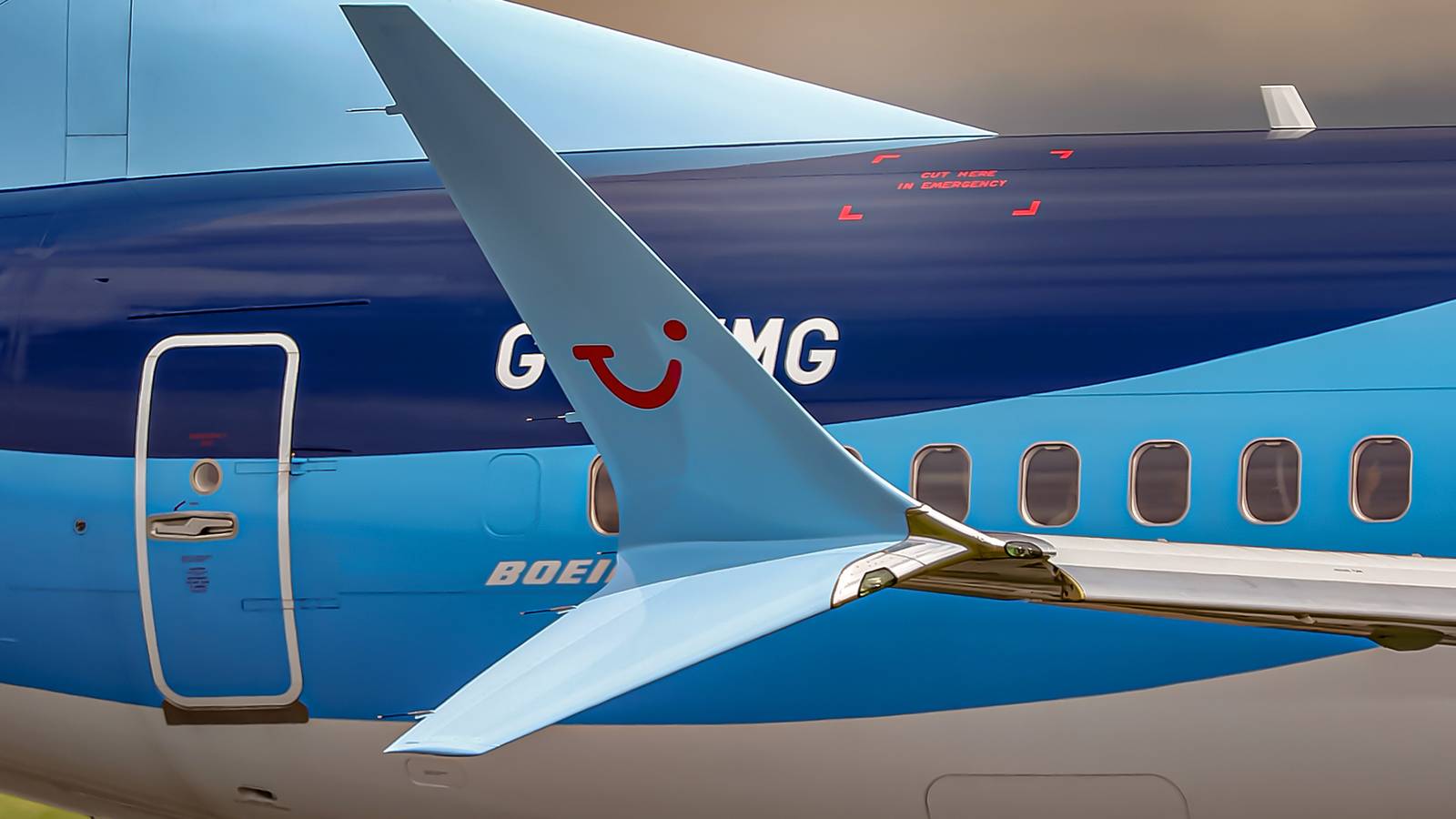
The familiar upturned wingtips seen on aircraft from short-haul Boeing 737s to long-range Airbus A350s deliver measurable fuel savings, but aviation engineers must navigate significant design compromises to achieve those gains, according to industry analysis.
Winglets function by disrupting wingtip vortices, which generate what aeronautical engineers call induced drag—a performance penalty that occurs as a byproduct of generating lift. High-pressure air beneath wings naturally flows upward over wingtips and trails off in vortices, creating resistance that diminishes aircraft efficiency. The extensions counteract this phenomenon, though at the cost of additional wetted surface area and increased structural loading on the airframe.
The technology traces its origins to NASA research launched during the 1973 oil crisis, when the agency's Aircraft Energy Efficiency program investigated methods for conserving fuel during flight. Aeronautical engineer Richard Whitcomb proposed that extensions mounted at wing ends could weaken the troublesome vortices. Testing that commenced in 1977 validated the concept when NASA and Boeing fitted nine-foot winglets to a US Air Force KC-135 tanker aircraft. Flight analysis revealed a seven percent improvement in lift-to-drag ratio and a twenty percent reduction in induced drag, with no negative impact on handling characteristics.
Commercial aviation began adopting the technology in the late 1980s following successful trials on smaller aircraft. Nearly five decades after those initial experiments, winglets have become standard equipment on the vast majority of modern jetliners, appearing on both narrow-body and wide-body designs operated by carriers worldwide.
Despite their prevalence, the fuel-burn reductions and operational cost savings winglets provide come bundled with engineering challenges. Design teams must balance the aerodynamic advantages against the penalties of additional wetted area—which generates its own form of drag—and the structural reinforcement required to support the extensions. These factors mean the benefits of winglets, while substantial, involve careful calculation rather than straightforward gains.