United Airlines Debuts Polaris Studio Suites on Boeing 787-9
The carrier has introduced a premium-heavy configuration featuring eight exclusive business-plus suites and a self-service snack bar, targeting high-demand long-haul routes.
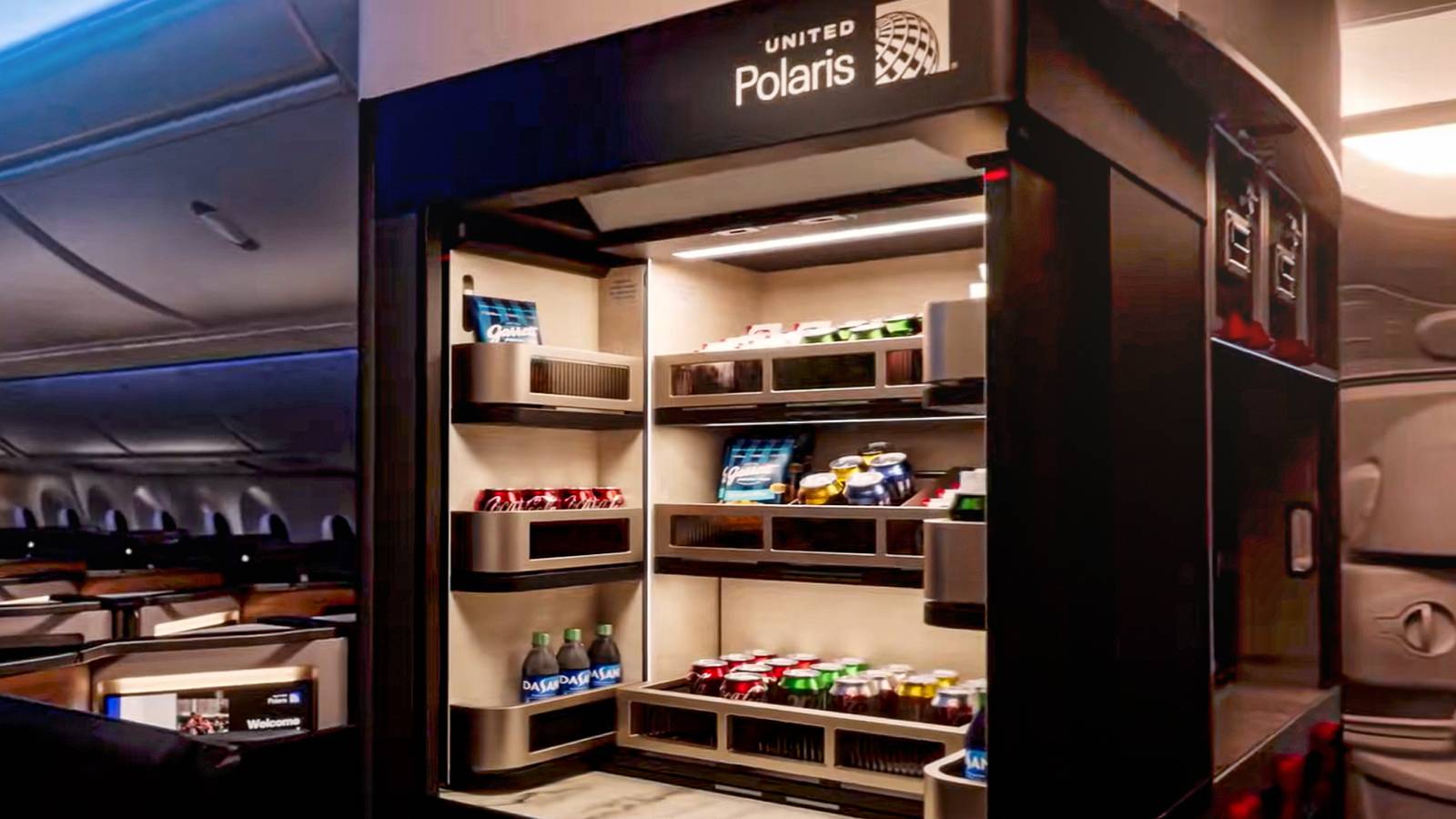
United Airlines is repositioning itself in the international premium market with a refreshed cabin design for select Boeing 787-9 aircraft, according to multiple industry reports. The new configuration introduces Polaris Studio, a business-plus product that slots between conventional business class and first class, alongside a dedicated social snack bar for premium passengers.
The Polaris Studio occupies bulkhead positions in the business cabin, with eight suites arranged in a one-two-one layout ensuring direct aisle access for all passengers. Industry observers note the suite delivers roughly twenty-five percent more living area than the carrier's standard Polaris seat, achieved through integrated sliding doors and an enlarged footwell. Each suite features a twenty-seven-inch four-K OLED display—currently the largest screen fitted by any U.S. airline—along with digital seat controls, wireless charging, multiple USB-C ports, and Bluetooth pairing for personal headphones.
A distinctive feature is the seatbelted ottoman, which enables a companion to join the suite occupant for dining or collaborative work, transforming what is typically an isolated pod into a more versatile social environment. Soft-product enhancements include an exclusive Ossetra caviar service with Laurent-Perrier Cuvée Rosé champagne, hoodie-style sleepwear, and velvet throw pillows reserved for Studio passengers.
The reconfigured aircraft also incorporate a self-service snack bar positioned within the business cabin, shifting away from traditional galley-based refreshment service. This dedicated space is intended to function as a social hub where travelers can browse offerings at their own pace. The premium-focused layout targets competitive long-haul markets where demand for high-end seating frequently exceeds available inventory, representing what analysts describe as a move toward service-oriented design over high-density configurations. Delivery timelines and route assignments for the new hardware have not been disclosed.