TSA Removes Chairs for ID Checkers, Cites "Hospitality"
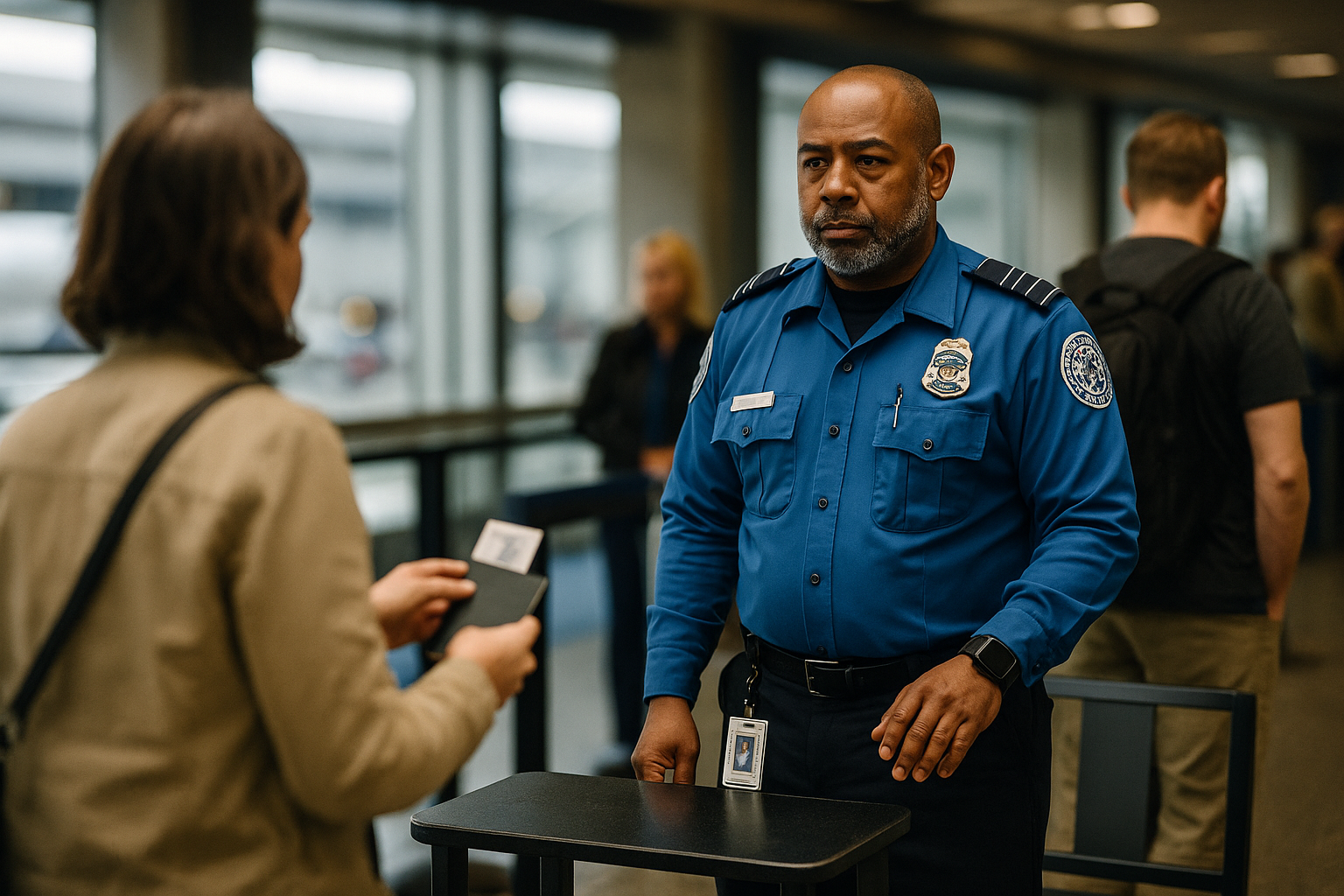
The agency confirmed it is pulling chairs from document-checking podiums nationwide, saying standing officers project more alertness and a more "welcoming" posture. The union representing screeners says it was never consulted and calls the chairs a basic safety need, not a perk.
What travelers need to know
- What happened: TSA is removing chairs from travel document checker podiums at airport security checkpoints nationwide, ending the practice of officers sitting while checking IDs and boarding passes.
- Who's affected: TSA officers who staff document-checking positions, and the American Federation of Government Employees (AFGE) TSA Council 100, which represents them.
- Where: Airport security checkpoints across the United States.
- When: The change began rolling out in checkpoints , with TSA confirming it publicly on a Tuesday.
- What to do: No action needed from travelers; the checkpoint process itself is unchanged, only the officers' posture.
TSA has begun stripping chairs from the podiums where officers check IDs and boarding passes, telling the public the move will make checkpoints more secure and more "welcoming." The agency confirmed the policy this week, saying it wants document checkers on their feet rather than seated during their shifts.
In a statement circulated to multiple outlets, a TSA spokesperson said: "This welcome change reinforces both our security posture and our commitment to hospitality by having these officers on their feet and alert. All officers must meet fitness for duty requirements to be capable of performing their vital national security function while simultaneously creating a welcoming and professional environment for travelers." The agency has not detailed any security incident or data tying seated document checkers to lapses in performance.
Advertisement
Union says it learned about the change from members, not TSA
AFGE, which represents TSA screeners, says it found out about the chair removals through rank-and-file employees rather than any formal heads-up from the agency. Frontline staff reportedly started noticing and discussing the shift online before TSA's public confirmation, with some describing abrupt briefings at their airports. One employee comment circulating among screeners described the rollout bluntly: managers arrived, gave a quick briefing, and removed the chairs immediately afterward. Other workers said supervisors framed it as a professionalism issue; some said their airports had already pulled chairs months earlier.
The union pushed back hard on the agency's rationale. "These chairs serve as basic ergonomic and safety support for officers that stand and walk on hard surfaces all day," AFGE said in a statement. "TSA is treating this matter like it is a privilege — it is not; it is basic safety and common decency for the workforce. This disregard for employee rights and safety is an example of a broad pattern of TSA's true consideration of the employees who keep our nation safe." The union is now urging its local chapters to contact congressional representatives over the decision.
Document-checking shifts reportedly run around 30 minutes within a rotation at some checkpoints, and workers say the ability to sit during that stretch offered real relief given how much of the rest of their shift is spent standing or walking. Government workplace research cited by critics of the policy links prolonged standing to fatigue, back pain, muscle discomfort and leg swelling, and recommends letting workers alternate between sitting, standing and leaning. TSA's own 2024 labor agreement reportedly calls for anti-fatigue mats and ergonomic equipment for employees who stand in one spot for long stretches, which critics say sits awkwardly alongside the new chair policy.
Critics question the hospitality framing
Aviation commentators have been skeptical that posture affects either security or passenger comfort. Several have noted there's no evidence a seated document checker has ever contributed to a security failure, and that TSA's usual metric for success — the absence of an attack — holds regardless of whether the officer checking IDs was sitting or standing. Others compared the framing to hospitality norms at high-end hotels, where staff stand to greet arriving guests, arguing that comparison doesn't hold at a checkpoint processing a continuous stream of travelers every few seconds.
Advertisement
TSA has not said whether the chair removal is permanent or whether it plans to pair the change with other accommodations, such as rotating shifts more frequently or installing mats. For now, the union says it is pressing lawmakers for answers, and travelers moving through checkpoints will simply notice the officer checking their documents is standing rather than seated.
Advertisement
Plan this trip
Here's what it costs.