Travel Blogger Reveals 7-Card Wallet Strategy from 26-Card Portfolio
A prominent travel rewards expert explains why most credit card holders should focus on strategic card usage rather than accumulation, distilling active spending across just seven cards from a collection of more than two dozen.
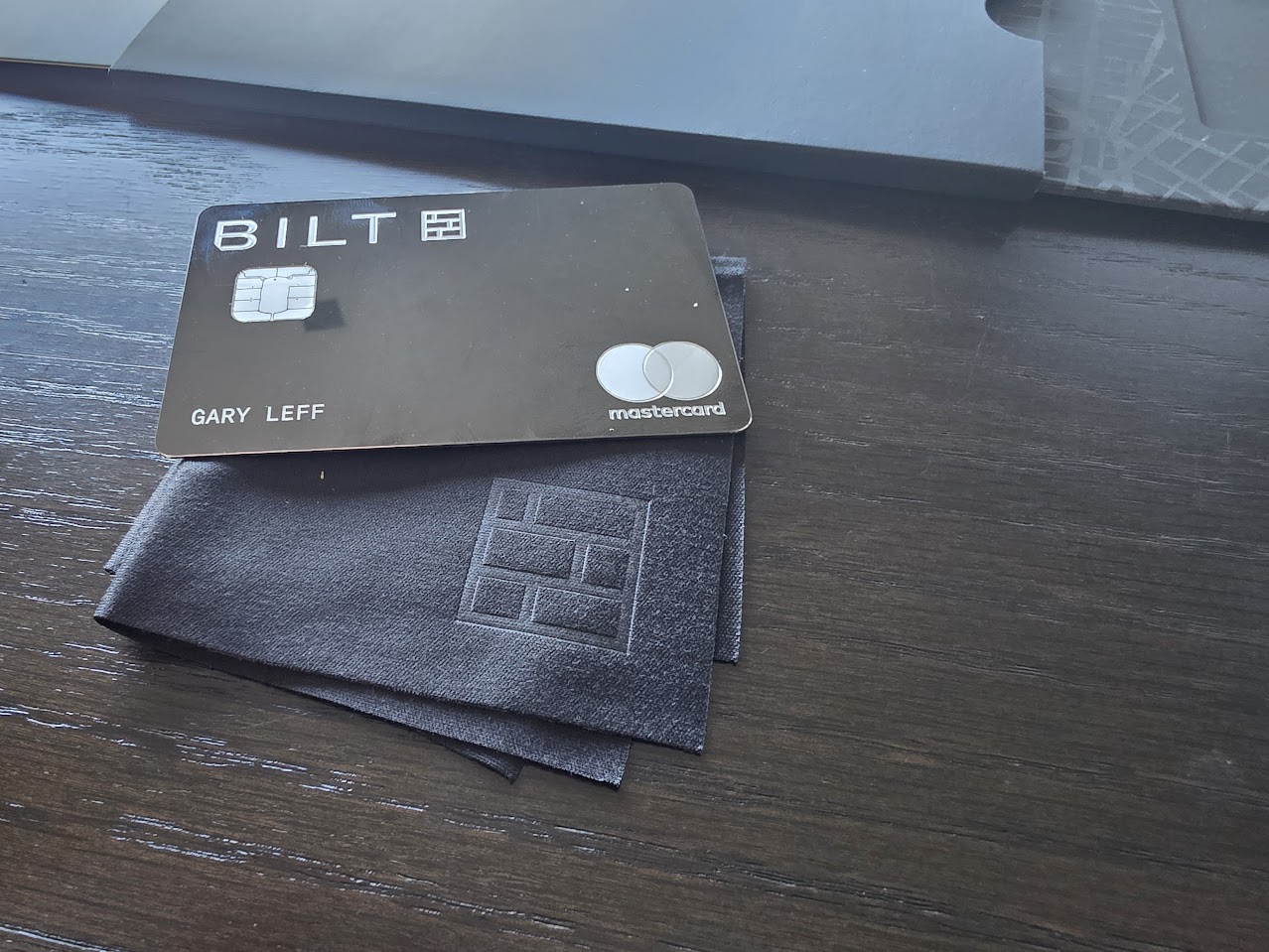
While many travel enthusiasts accumulate credit cards for their rewards potential, effective portfolio management requires distinguishing between cards worth carrying and those best left inactive, according to insights shared by a veteran travel rewards blogger.
The writer maintains approximately 26 payment cards but actively uses only seven, with the remainder stored away for specific purposes. The inactive cards include some belonging to a spouse and others awaiting cancellation after meeting minimum retention periods. This approach reflects a broader strategy that prioritizes purposeful card selection over simple accumulation.
The framework divides rewards cards into three distinct categories, each serving different financial objectives. The first category encompasses cards offering substantial signup bonuses—valuable for initial acquisition but not necessarily justifying long-term spending. The second category includes cards providing tangible perks such as airport lounge access, complimentary checked baggage, companion certificates, or rebates exceeding annual fees. According to the analysis, airline cobranded cards and premium products like the American Express Platinum exemplify this benefits-focused category.
The third and most frequently used category comprises cards optimized for everyday spending, delivering the highest points accumulation rates on regular transactions. These cards form the core of active wallet rotation when not pursuing signup bonuses or leveraging specific card benefits.
The approach emphasizes avoiding a common pitfall: continuing to spend on cards solely because they offer attractive benefits packages, when other cards in one's portfolio would generate superior rewards for the same transactions. By maintaining this disciplined segmentation, cardholders can maximize returns across different spending scenarios while avoiding the inefficiency of consolidating all purchases onto a single card regardless of earning rates.
The strategy suggests that successful rewards optimization requires regular portfolio evaluation and willingness to relegate even premium cards to storage when they don't serve immediate strategic purposes. This selective activation approach contrasts with conventional wisdom encouraging consistent use of favorite cards regardless of situational advantages offered by alternatives.