Travel Blogger Reveals Housekeeping Strategy, Sparks Discussion
A frequent traveler's approach to hotel housekeeping—keeping the 'do not disturb' sign up and calling staff on-demand—has prompted debate about guest habits and hotel service expectations.
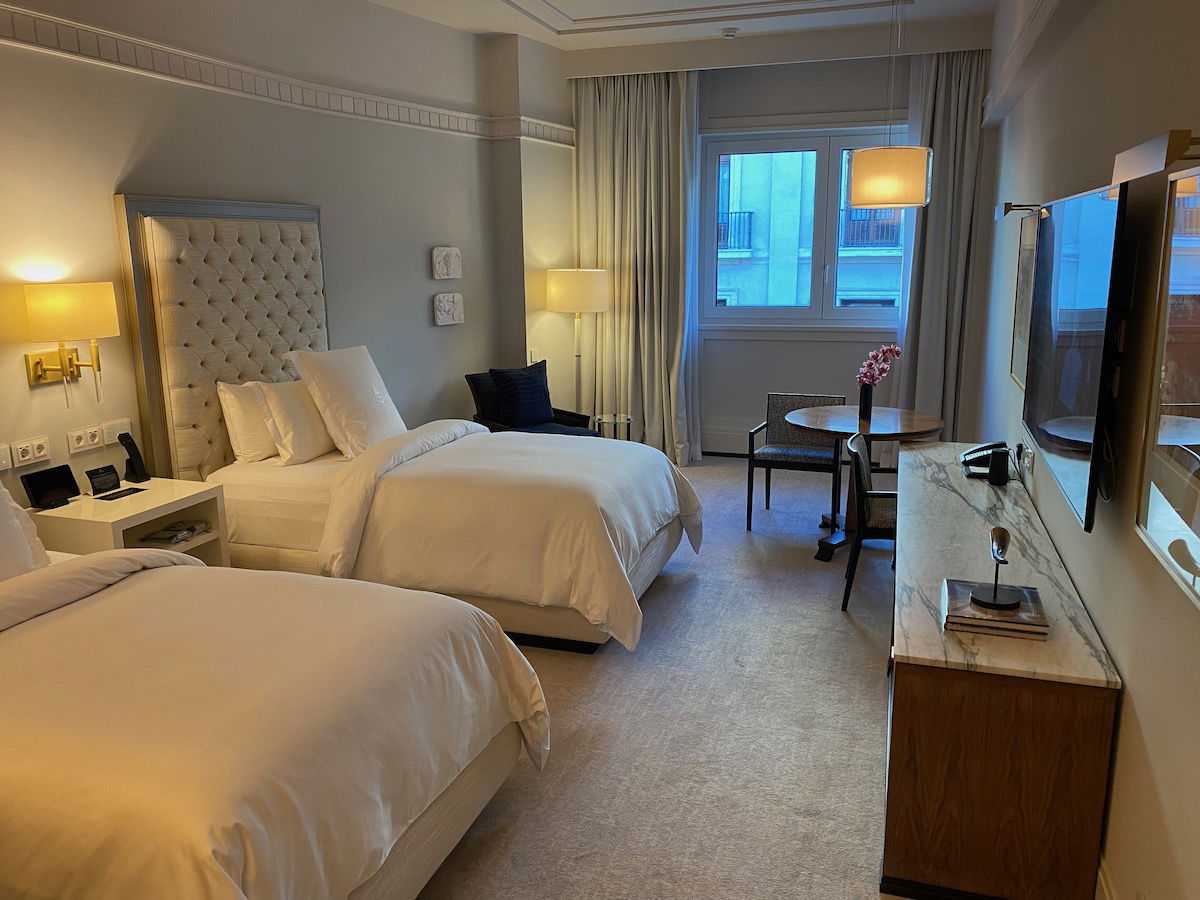
A travel industry writer has sparked conversation about hotel guest behavior after detailing an unconventional approach to housekeeping services that prioritizes scheduling over spontaneous room cleaning.
According to One Mile at a Time, the blogger maintains a 'do not disturb' sign from check-in through checkout during virtually all hotel stays, making exceptions only on arrival day when welcome amenities might be delivered. Rather than waiting for housekeeping to knock, the traveler proactively contacts staff when ready to have the room serviced, providing specific timeframes for departure from the property.
The strategy stems from repeated experiences with staff knocking briefly before entering rooms and what the writer characterizes as unnecessary interruptions, including housekeeping managers conducting courtesy checks. The blogger combines this approach with consistently using deadbolts while in-room—a practice recommended for all travelers' safety.
For properties offering turndown service, the same principle applies: the guest contacts housekeeping before departing for dinner rather than relying on staff to determine optimal timing. The writer acknowledges adjusting expectations based on property category and occupancy levels, noting that mid-tier hotels during peak check-in periods between 11 a.m. and 3 p.m. may face legitimate capacity constraints.
The revelation that this methodical approach might represent minority behavior among hotel guests prompted the writer to question standard practices. The post suggests that traditional housekeeping workflows—where staff knock on doors to gauge guest readiness—may prove inefficient, potentially requiring multiple attempts before rooms become available for servicing.
The discussion highlights evolving guest preferences in an industry where housekeeping protocols have faced scrutiny since pandemic-era changes made daily service opt-in rather than default at many properties. The debate underscores broader questions about communication between hotels and guests regarding service delivery preferences.