Ground Stop Triggers Wave of Southwest Cancellations at Hub
Southwest Airlines recorded the highest number of canceled flights among U.S. carriers after a ground stop disrupted operations at one of its major hubs.
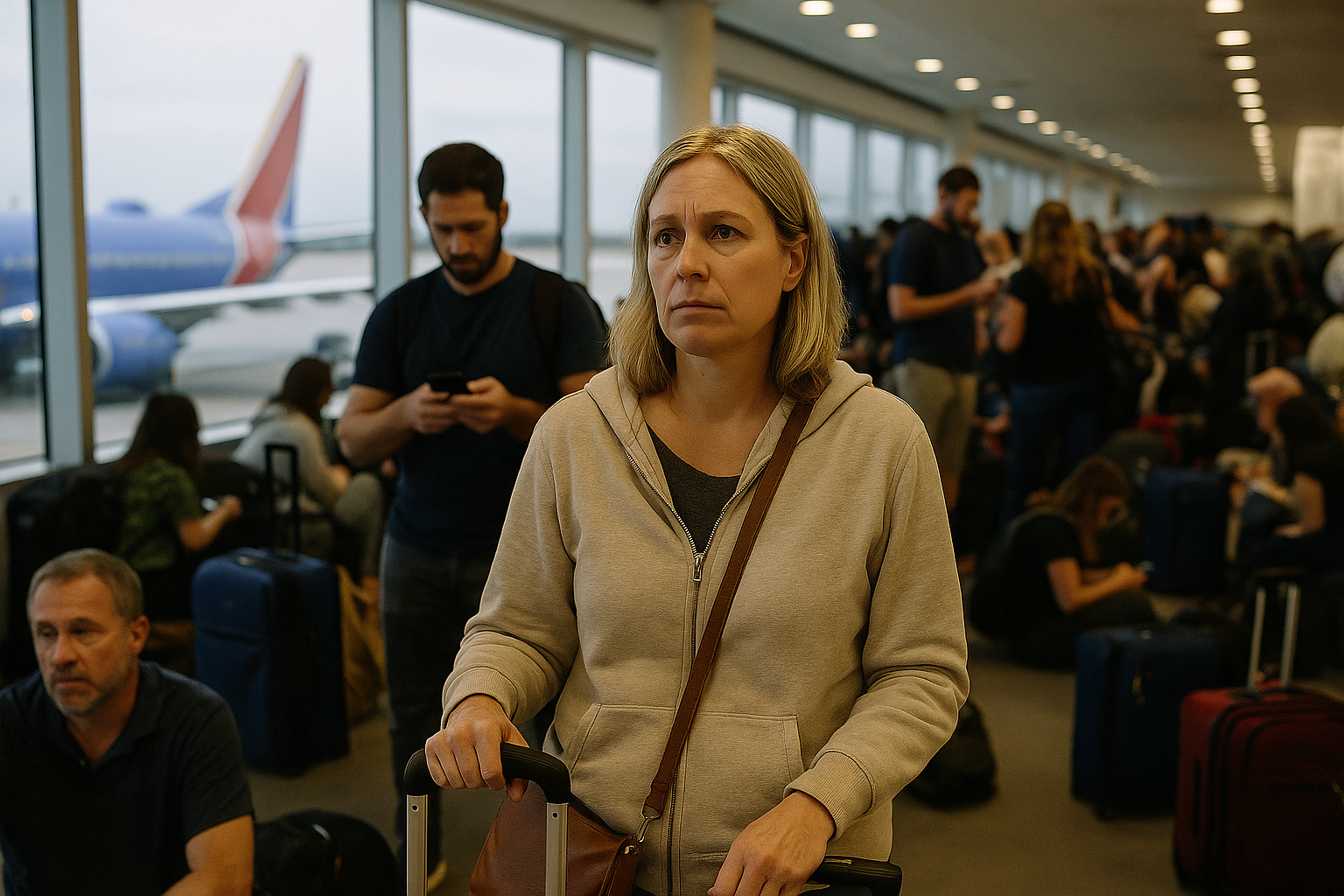
What travelers need to know
- What happened: A ground stop at a major Southwest Airlines hub led to widespread flight cancellations, with Southwest reporting more disruptions than any other U.S. carrier.
- Who's affected: Passengers booked on Southwest flights through the affected hub.
- What to do: Travelers with upcoming Southwest itineraries through the hub should check flight status directly with the airline before heading to the airport.
Southwest Airlines logged more canceled flights than any other U.S. carrier after a ground stop halted operations at one of its major hubs, according to reports tracking the disruption. The airline has not detailed a timeline for full recovery, and the scope of delays tied to the stoppage remains unclear from available reporting.
Ground stops are typically ordered by air traffic control to manage congestion, weather, or safety issues at a specific airport, temporarily preventing aircraft bound for that location from departing elsewhere. When a hub carrier like Southwest is affected, the ripple effects tend to cascade quickly across its broader network because so many connecting itineraries route through a small number of central airports.
Advertisement
Cancellations concentrate at a single hub
Reports indicate Southwest bore the brunt of cancellations tied to this particular ground stop, outpacing rivals in the number of flights scrubbed. The airline's reliance on a hub-and-spoke style flow through its major bases means that a stoppage at one location can quickly back up aircraft and crews scheduled for onward flights, compounding delays well beyond the initial stop.
Southwest has not yet published a full accounting of how many flights were affected or which specific routes saw the heaviest cancellations. Passengers with existing bookings through the hub in question should monitor the airline's own notifications, since ground-stop fallout often continues to affect schedules for hours after the original order is lifted as aircraft and crews reposition.
Disruption lands during a period of network growth
The cancellations come as Southwest has been expanding elsewhere in its network, including a build-out of Hawaii service. The carrier has launched or is launching six new routes to Hawaii between and , according to aviation analytics firm Cirium, cited by Simple Flying. Five of those routes originate in California, while the sixth connects Las Vegas to Hilo, a route that began flying on , using the 175-seat Boeing 737 MAX 8.
Southwest's Las Vegas-Hilo flight, WN568, departs at 9:30 a.m. and arrives at 12:35 p.m. after a six-hour, five-minute flight westbound; the return, WN3253, flies overnight, departing Hilo at 8:45 p.m. and landing in Las Vegas at 5:10 a.m. after five hours and 25 minutes. Las Vegas Convention & Visitors Authority CEO Steve Hill said of the route when it was announced, "Las Vegas has long been known as the 'Ninth Island,' and this new route strengthens the deep connections we share with the people of Hawaii."
Advertisement
Southwest has also added service to Honolulu from Burbank and Ontario, California, which began in and respectively and are currently scheduled to run through . San Diego International Airport has seen a particularly sharp increase in Southwest's Hawaii capacity as well, part of the carrier's broader push to grow its presence on trans-Pacific and interisland routes alike.
For now, travelers booked through the disrupted hub should watch for updated cancellation counts and rebooking options directly from Southwest, while those flying the airline's new Hawaii routes this winter can expect schedules to hold as frequencies ramp up toward year-end.
Advertisement
Plan this trip
Here's what it costs.