Southwest Airlines Faces Service Complaints Amid Strategic Shift
The Dallas-based carrier is drawing criticism for deteriorating customer service and product quality as it transitions away from its traditional low-cost model following pressure from activist investors.
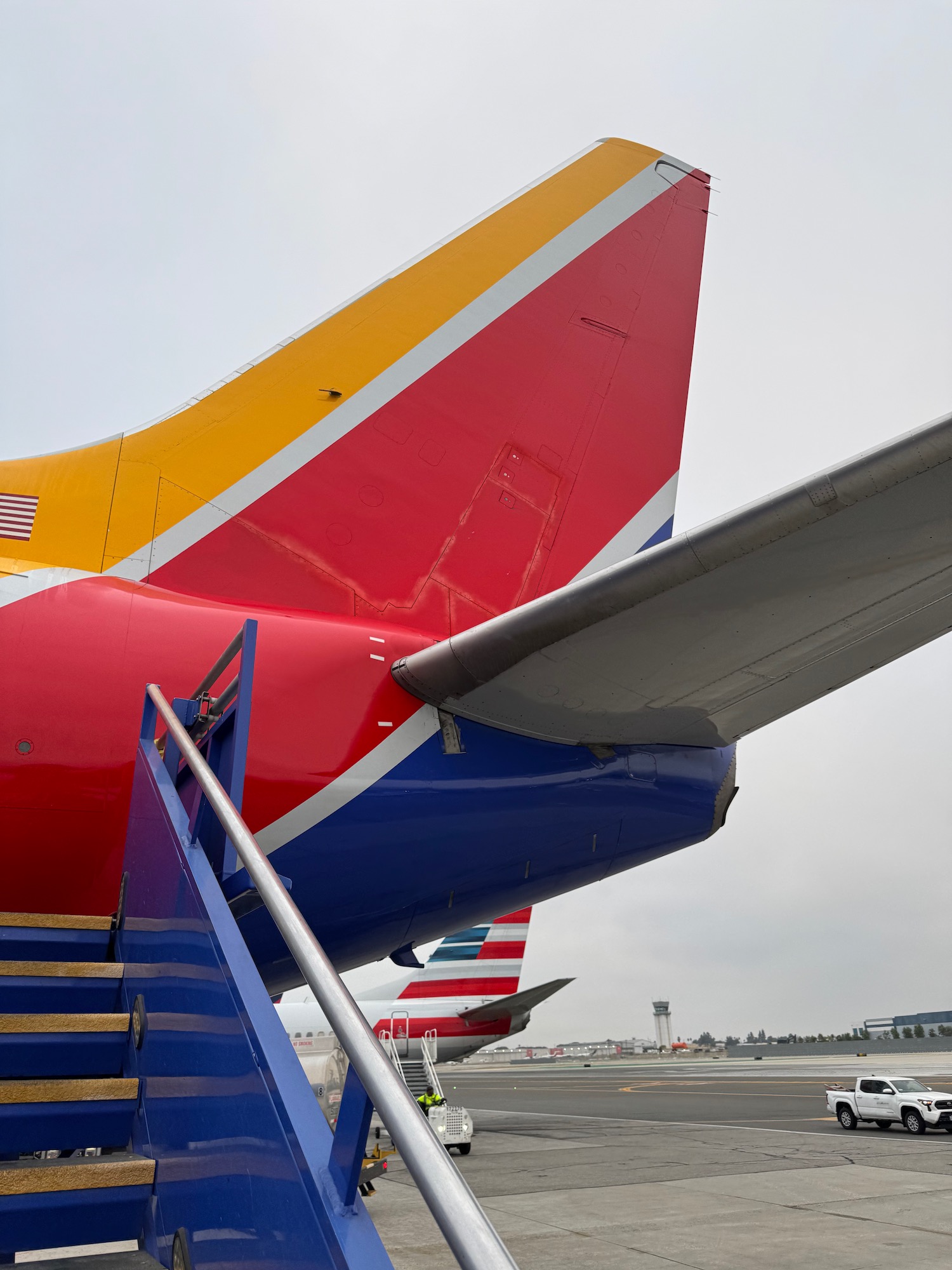
Southwest Airlines is encountering passenger dissatisfaction as the carrier continues transforming its business model under influence from Elliott Management, an activist investment firm that has pushed the airline toward revenue-maximization strategies more aligned with legacy carriers.
According to a travel industry report, recent passenger experiences have highlighted a notable decline in the service quality that historically differentiated Southwest from competitors. Flight attendants on certain routes have been characterized as unhelpful and curt, with at least one incident involving inadequate assistance to a confused elderly passenger. The shift appears to mark a departure from the airline's long-standing reputation for friendly, personable cabin crew.
Ground operations are also drawing scrutiny. At Harry Reid International Airport in Las Vegas, inconsistent priority lane policies reportedly left some customers uncertain about which queues they could access, even when holding co-branded credit cards with included baggage benefits. The carrier's signage failed to clearly delineate priority access qualifications, creating confusion among travelers.
Product deficiencies extend to in-flight amenities as well. While USB charging ports remain functional on newer aircraft, the absence of traditional AC power outlets presents challenges for business travelers requiring laptop power on longer flights—a concern particularly relevant given Southwest's push toward higher-yield passenger segments. Additionally, the carrier's complimentary wifi service for Rapid Rewards members, provided through a T-Mobile partnership, has been criticized for inadequate connection speeds.
These service issues emerge as Southwest navigates perhaps its most significant operational transformation in decades. The airline recently abandoned its signature open-seating policy and introduced fee-based revenue streams, moving away from the no-frills approach that sustained 38 consecutive quarters of profitability. While the carrier remains in the black, recent earnings have declined as it implements changes designed to boost margins but which risk alienating the customer base that valued its contrarian approach to air travel.
The transition raises questions about whether Southwest can successfully compete as a conventional carrier while maintaining the loyalty of passengers drawn to its historically distinctive service model.