PSA Airlines shifts pilot training costs as US shortage eases
The regional carrier informed cadets they must now pay for mandatory ATP/CTP coursework previously covered by the airline, signaling a shift in the industry's competitive dynamics for new aviators.
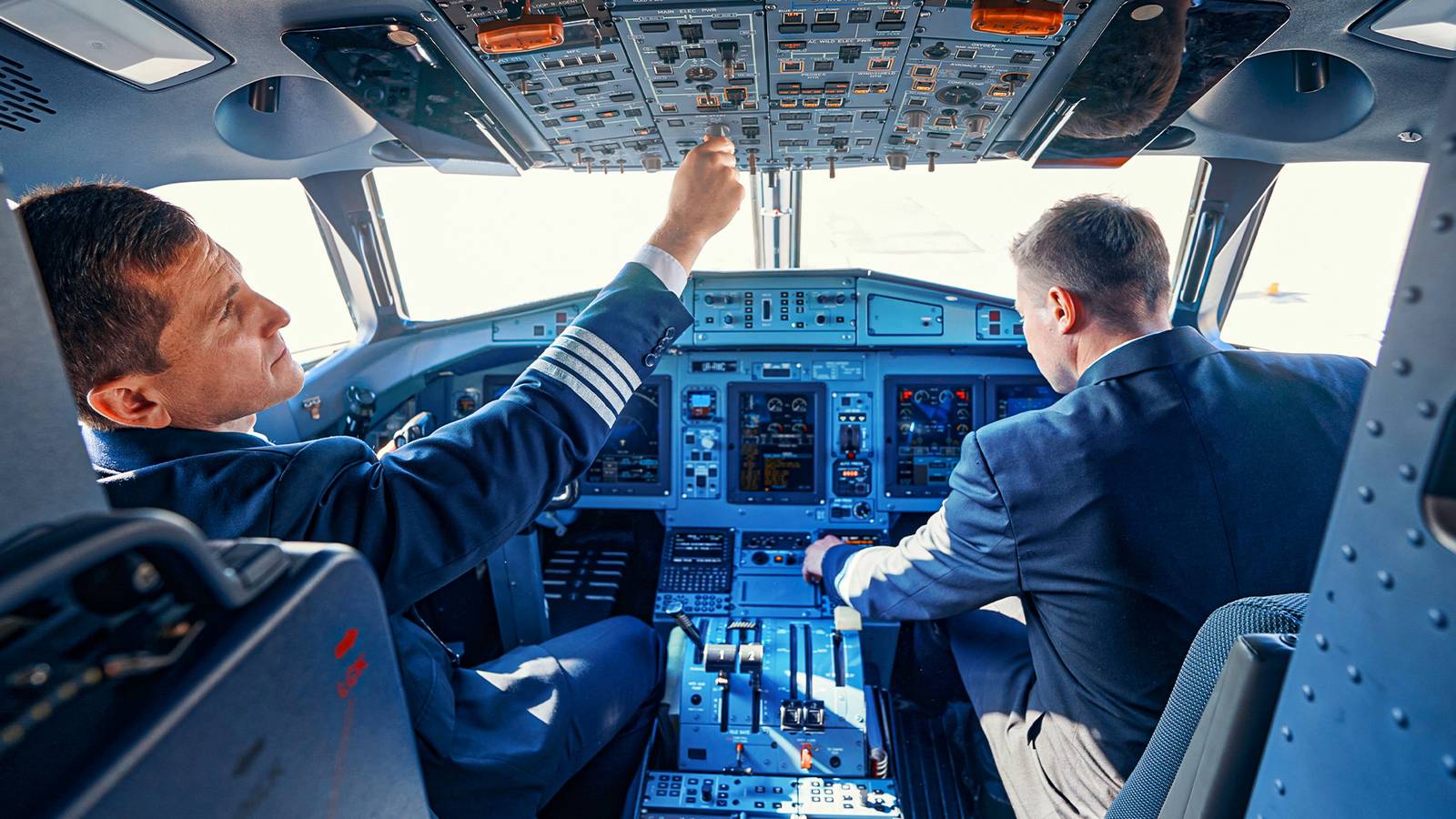
PSA Airlines notified members of its cadet program in late July that the carrier would discontinue financial support for the ATP/CTP course, a mandatory certification all new hires must complete before beginning employment, according to a report. The training expense, traditionally assumed by the airline, now falls to individual candidates seeking to join the regional operator.
The policy adjustment reflects broader changes rippling through airline pilot recruitment programs across the United States. American Airlines has placed its own cadet initiative on hold, while other carriers have closed enrollment to new applicants entirely, suggesting the widely discussed aviator shortage may be moderating after years of aggressive hiring.
Industry observers trace the staffing crunch to demographic factors that converged in the 2020s. A substantial cohort of pilots hired during the late twentieth century reached mandatory retirement — initially set at age sixty but raised to sixty-five in 2007 — creating hundreds of annual departures. Simultaneous fleet expansion at major carriers compounded the turnover, opening positions faster than training pipelines could fill them.
Regulatory changes amplified the supply constraint. Federal Aviation Administration rules implemented in 2013 required all Part 121 air carrier pilots to hold an Airline Transport Pilot License with a minimum of 1,500 flight hours, up from the 250 hours needed for a commercial certificate. The higher threshold added two to three years of low-wage flying to career timelines, making the profession less financially accessible while pilot training itself carried six-figure price tags and required one to two years to complete.
The shortage disproportionately affected regional airlines rather than flagship carriers. Major operators including American Airlines, Delta Air Lines, and United Airlines consistently attracted qualified candidates drawn by superior compensation packages. Regional subsidiaries and partners, operating on tighter margins with lower pay scales, struggled to compete for the limited pool of newly certificated aviators meeting the stricter hour requirements.
With training subsidies being withdrawn and recruitment programs suspended, the economics appear to be shifting back toward candidates bearing more upfront career investment costs, a dynamic more common during periods of balanced labor supply.