Premium Carriers Neglect Business Class Bedding Despite Low Costs
Industry analysis reveals many airlines underinvest in sleep comfort amenities even as they spend heavily on cutting-edge seating, missing an opportunity for relatively inexpensive passenger satisfaction improvements.
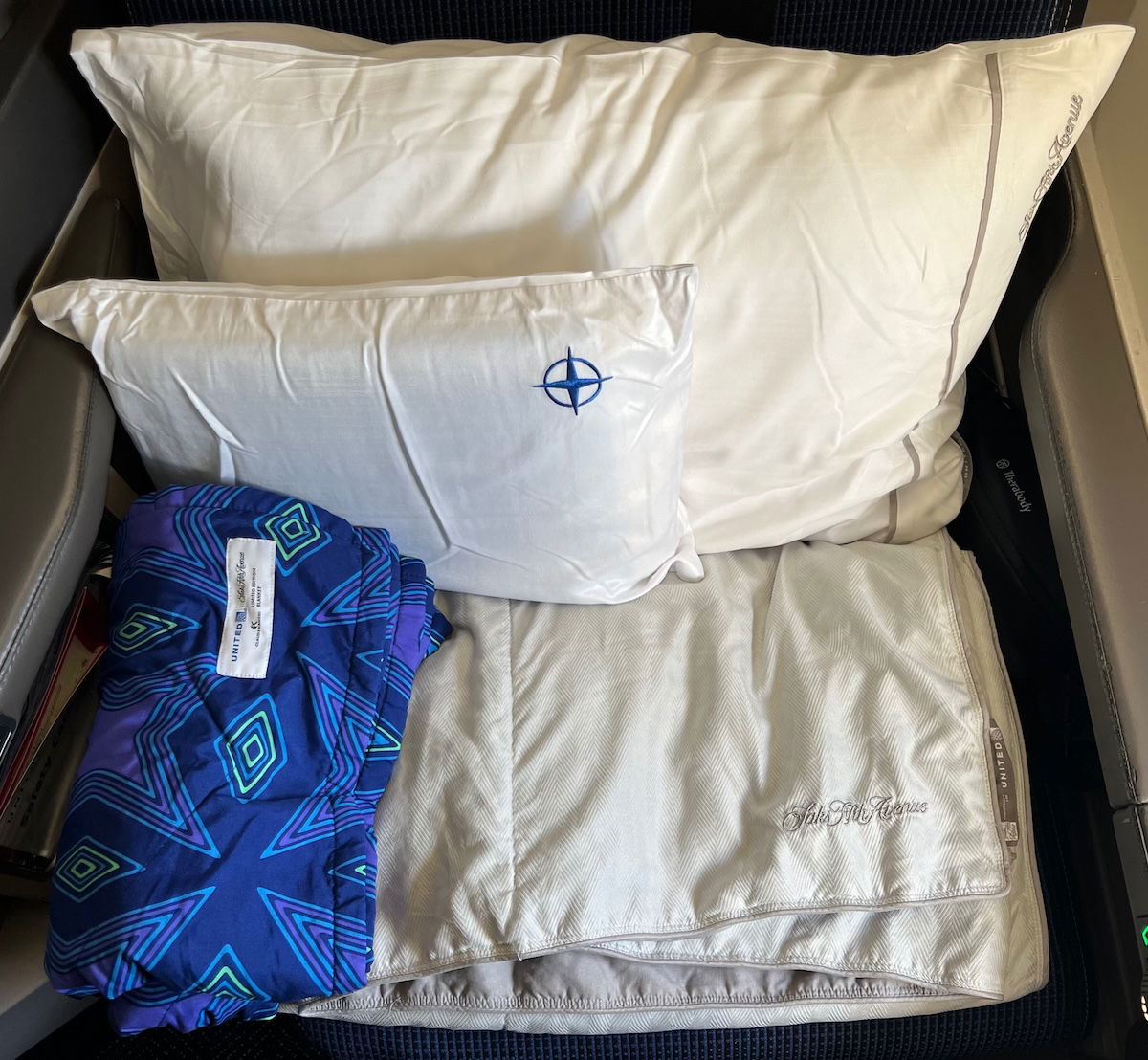
While airlines continue pouring resources into advanced business class seat designs, a recent industry assessment suggests many carriers are overlooking a comparatively affordable yet crucial element of passenger comfort: quality bedding.
The disparity in bedding standards across premium cabins has become increasingly apparent, with offerings ranging from basic pillows and blankets to comprehensive sleep systems including mattress pads, multiple pillows, and turndown service. Industry observers note this investment gap is particularly striking given that bedding represents a relatively modest expense compared to seat hardware costs.
According to the analysis, bedding quality varies substantially between carriers, despite nearly universal provision of basic pillows and blankets on long-haul business class flights. The contrast becomes evident when comparing minimal textile offerings on some airlines against carriers providing plush, oversized pillows paired with soft blankets and supplementary comfort items.
Optimal business class bedding configurations reportedly include substantial pillows, non-scratchy blankets with adequate warmth, and mattress pads that soften sleeping surfaces while addressing passenger hygiene preferences. Premium carriers sometimes extend beyond these basics by supplying additional pillows or blankets to enhance comfort during rest periods.
The relatively low initial investment required for quality bedding makes the widespread underinvestment puzzling to industry watchers. While ongoing expenses include laundering between flights and replacement costs due to occasional theft, these operational expenditures remain limited compared to major cabin infrastructure investments. The cost-benefit calculation appears favorable, particularly given passenger appreciation for improved sleep quality during long-haul travel.
Regional preferences regarding pillow firmness and sleeping surface characteristics add complexity to bedding standardization efforts, though this hasn't prevented leading carriers from developing well-regarded sleep amenity programs. The assessment excluded pajama offerings, focusing exclusively on bedding components that directly impact sleep comfort in fully-reclined business class seats.