NATO Expands P-8 Poseidon Fleet to Counter Russian Shadow Operations
Five NATO members now operate Boeing's advanced maritime patrol aircraft as Russian paramilitary activity intensifies in European waters, with Germany praising the platform's capabilities following its induction last year.
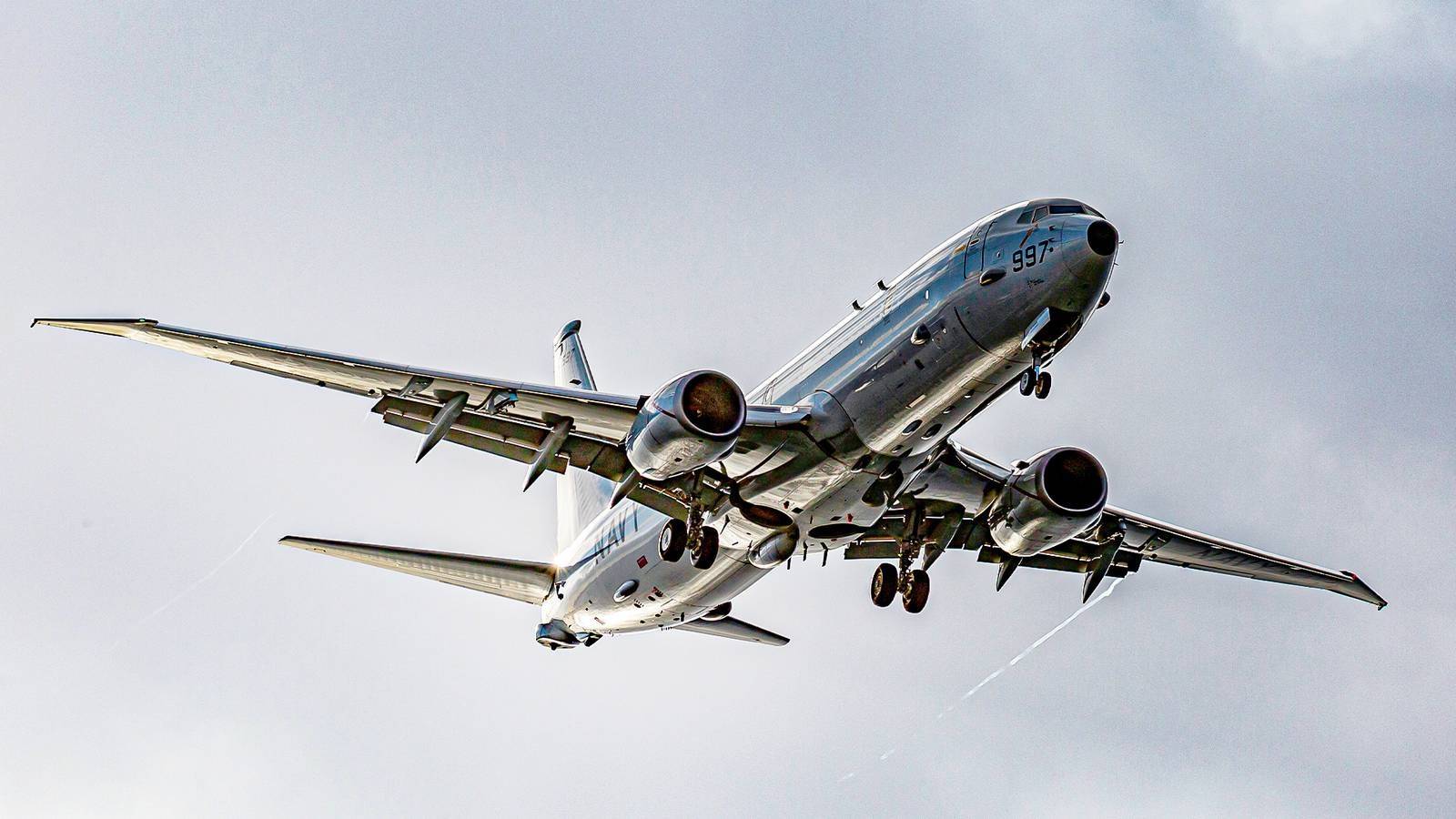
The North Atlantic Treaty Organization has significantly expanded its maritime surveillance capabilities, with membership operating Boeing P-8A Poseidon aircraft now reaching five nations—a rapid expansion driven by escalating Russian maritime activity across European coastal regions.
Britain's Royal Air Force pioneered the alliance's adoption of the platform in 2019, becoming the first NATO member after the United States to field the military variant of the 737-800. The aircraft replaced the RAF's Cold War-vintage BAE Nimrod fleet, while the U.S. Navy had earlier transitioned from the 1950s-era Lockheed P-3 Orion to the Poseidon in 2013. Germany joined the operators' roster last year, with the platform's performance drawing praise from naval aviation leadership.
"The introduction of the P-8 Alpha represents much more than just the arrival of a new aircraft," German Naval Aviation Commanding Officer Broder Nielsen said at the Farnborough Airshow. "It marks the establishment of modern maritime patrol and anti-submarine warfare capability, and it will significantly enhance our contribution to NATO's maritime security."
The buildup comes as Russian forces deploy what defense officials term a "shadow fleet"—vessels operating under false flags to circumvent Western economic sanctions imposed following the 2022 invasion of Ukraine. These ships, reportedly in poor operational condition, present both security and environmental hazards to European waters. Since 2022, this fleet has been linked to multiple incidents involving severed undersea cables and pipelines in the Baltic Sea and North Atlantic.
The strategy allows Russia to conduct maritime operations while its official naval vessels remain harbored against drone attacks, according to reports. The Poseidon brings substantial improvements in payload capacity, onboard electrical power for sensor systems, and operational readiness rates compared to the turboprop aircraft it replaces across NATO fleets. Nielsen indicated Germany's operational focus centers on the High North, North Sea, and Baltic regions—areas where the shadow fleet has been most active.
The timing of the P-8 expansion coincides with scheduled retirements of legacy maritime patrol aircraft throughout Europe, providing NATO members an opportunity to modernize their coastal intelligence and anti-submarine warfare capabilities during a period of heightened maritime tensions.