MTU Says Geared Turbofan Refinement May Replace New Engine Designs
Rather than pursuing revolutionary architectures, engine manufacturers increasingly believe the next leap in propulsion efficiency will come from evolving today's proven technologies through advanced materials and digital engineering.
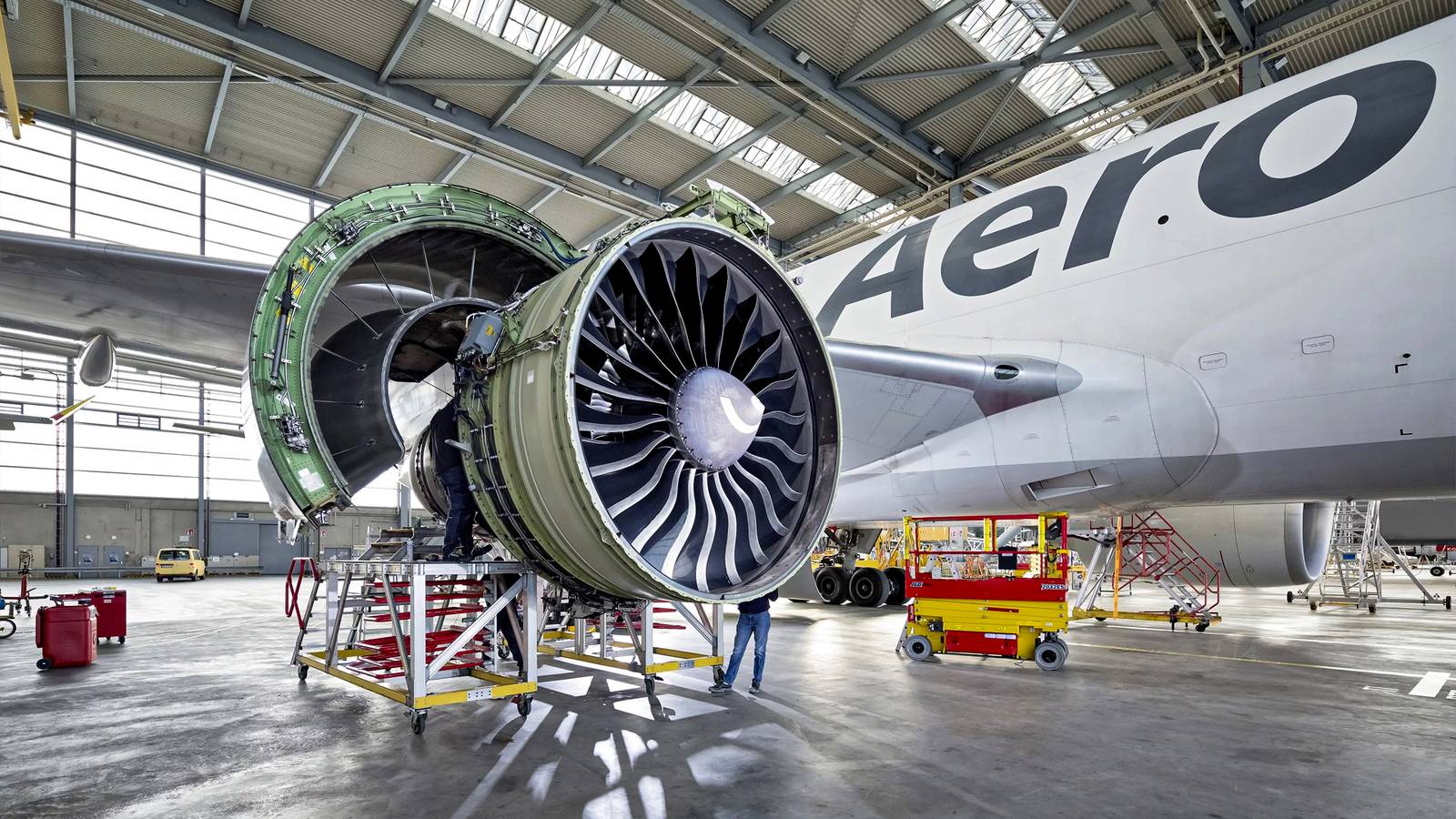
The aviation industry's historic pattern of breakthrough engine designs—from high-bypass turbofans in the 1960s to geared turbofan technology over the past decade—may be giving way to a new approach centered on refining existing platforms rather than launching clean-sheet programs.
Speaking at the Farnborough Airshow, MTU Aero Engines outlined a strategic shift toward continuous improvement of current engine architectures, according to Simple Flying. André Sinanian, the company's Senior Vice President for Commercial Engine Programs, said the existing geared turbofan platform retains significant unrealized capability. "We believe that with our current GTF engine, we have an excellent basis to further develop the engine to achieve the next generation requirements," Sinanian reportedly stated. "We don't believe that we need a completely new engine architecture."
The manufacturer's position reflects changing industry priorities as airlines simultaneously pursue lower fuel burn, reduced emissions, decreased maintenance expenses, and quieter operations alongside improved reliability. Rather than waiting another generation for an entirely novel propulsion concept—a process historically requiring billions in research and certification over multiple decades—engine makers can now extract substantial performance gains through incremental advances.
MTU indicated that future improvements will stem from enhanced materials, advanced manufacturing methods, digital engineering tools, hybrid-electric systems, and compatibility with sustainable aviation fuels. This evolutionary strategy marks a departure from aviation's traditional reliance on periodic architectural revolutions, such as the transition from turbojets to turbofans or the steady increases in bypass ratios that defined commercial propulsion development throughout the jet age.
The geared turbofan concept itself introduced a fundamental shift by mechanically decoupling fan and turbine rotational speeds, enabling each component to operate at optimal efficiency. MTU's assertion that this architecture still contains untapped potential suggests the company views refinement of proven designs as a faster, lower-risk path to meeting environmental and economic targets than developing fundamentally new engine types.