Long-Haul Flight Attendant Pay Structures Examined for 2026
An analysis of cabin crew compensation reveals a complex pay framework centered on hourly base rates, per diem allowances, and seniority-based increases, though overall earnings remain modest compared to other aviation professionals.
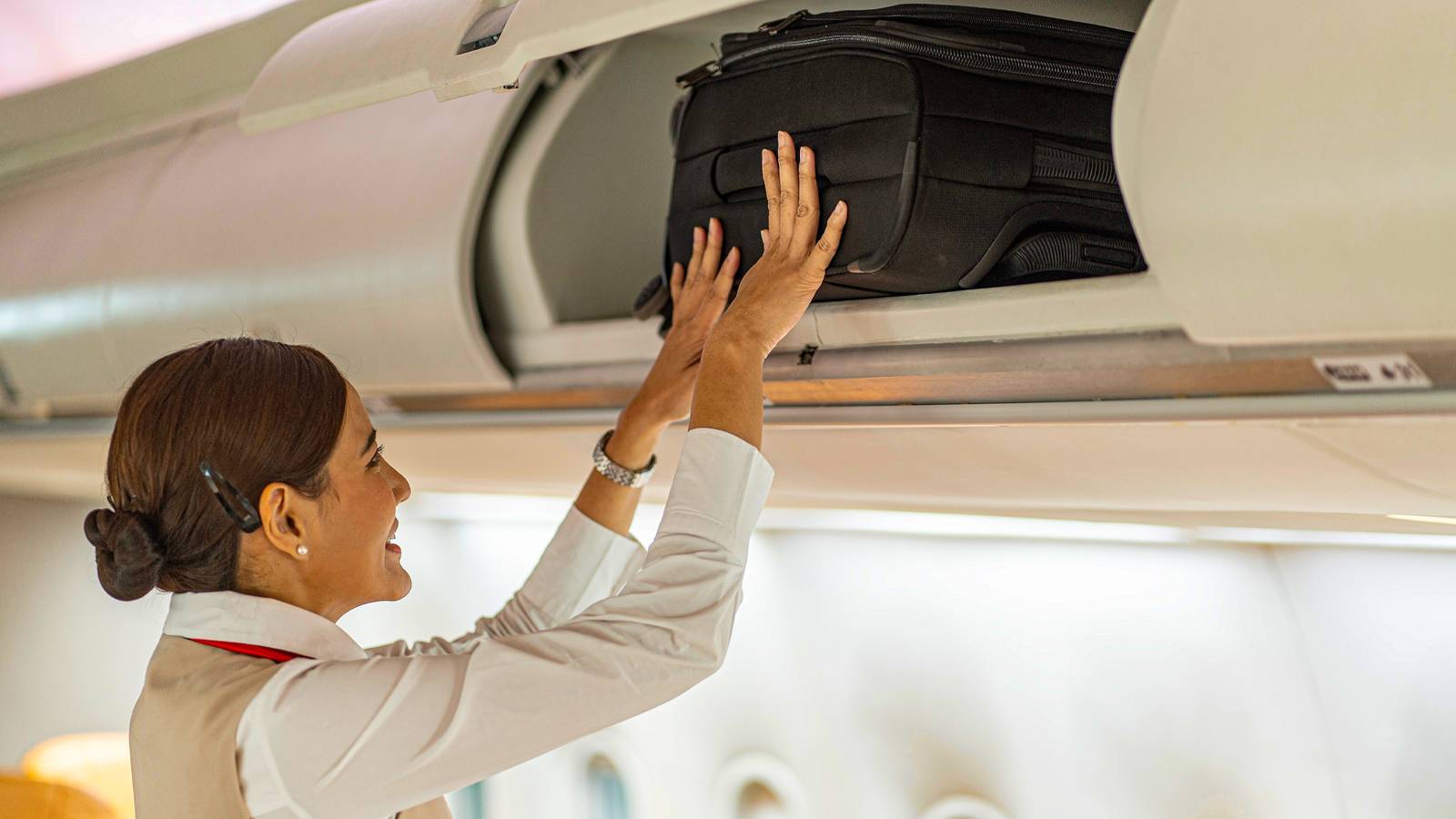
Cabin crew members at major airlines navigate a multifaceted compensation structure that differs substantially from traditional salaried positions, according to an industry analysis. While flight attendants serve as the public face of carriers and manage demanding workloads with hundreds of passengers, their earnings framework reflects a hybrid of service industry standards and aviation-specific considerations.
The foundation of flight attendant compensation centers on a base hourly rate that increases with tenure at the airline. Unlike pilots, whose pay scales vary by aircraft type, cabin crew at U.S. Part 121 scheduled carriers typically receive uniform hourly rates regardless of which plane they operate, tied exclusively to years of service. This approach stems from the industry practice of training flight attendants to work across an airline's entire fleet, rather than restricting them to single aircraft types.
Beyond base hourly wages, per diem payments form a significant secondary component of total compensation. These additional hourly rates help offset living costs during layovers, calculated according to time spent away from a crew member's home base. The allowances function as tax-free reimbursements for overnight trips, with any unspent portions retained by the flight attendant. Carriers frequently adjust per diem rates based on layover destinations, recognizing differing cost-of-living standards across cities.
Additional earning opportunities include premium-rate trips, which typically pay 150 percent of standard rates, though availability varies by airline and route network. Some carriers implement reduced compensation during boarding procedures, reserving full hourly rates for periods when aircraft doors remain closed. The compensation model reflects flight attendants' dual role as safety personnel and service providers, though overall pay levels remain modest relative to pilots, who command higher wages due to specialized technical training requirements.
The analysis highlights how seniority-based advancement remains the primary pathway to increased earnings within the profession, with career longevity at a single carrier determining long-term compensation potential more than any other factor.