Frontier Passenger Denied Boarding After Aircraft Swap Triggers Loophole
A traveler with a confirmed reservation was unable to board his Denver-bound flight after the airline substituted a smaller aircraft, exposing a gap in federal passenger-protection rules.
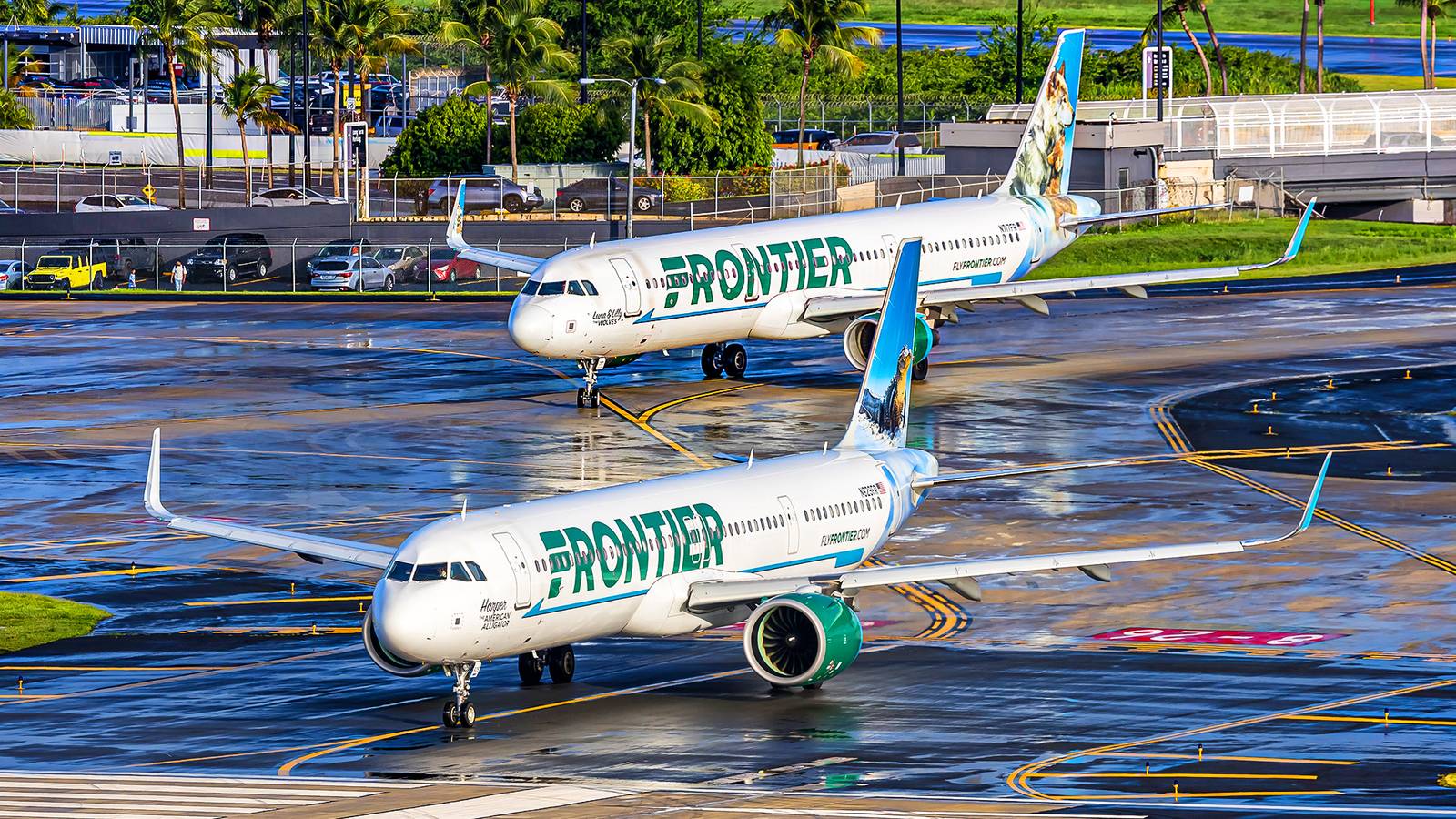
A Frontier Airlines passenger was turned away at Harry Reid International Airport in Las Vegas on July 7 after the carrier replaced the aircraft operating his Denver-bound flight with a smaller plane, leaving insufficient seats for all ticketed travelers, according to reports.
The passenger held a confirmed reservation but found himself unable to board when the equipment change reduced available capacity below the number of passengers booked on the service. While the outcome mirrored a traditional overbooking scenario, the incident reportedly falls into a regulatory gray zone that exempts airlines from standard compensation requirements.
Aircraft substitutions are routine in airline operations, typically deployed in response to maintenance needs, scheduling conflicts, or other operational challenges. In this instance, however, the swap had direct consequences for passengers because the replacement aircraft could not accommodate everyone holding tickets for the flight.
For the affected traveler, the experience was functionally identical to being involuntarily bumped from an oversold flight. Yet federal regulations treat aircraft substitutions differently than conventional oversales under certain conditions. The US Department of Transportation specifically excludes situations involving the substitution of smaller aircraft for operational or safety reasons from mandatory denied-boarding compensation rules.
That distinction creates a significant gap in passenger protections. When airlines deliberately sell more tickets than seats—traditional overbooking—federal law requires carriers to first seek volunteers and then provide compensation to passengers involuntarily denied boarding. But when a smaller aircraft creates the same shortage of seats, those protections may not apply if the substitution stems from operational necessity.
The case highlights how operational decisions by carriers can leave passengers without recourse despite holding confirmed reservations. While denied-boarding compensation typically ranges from several hundred to over a thousand dollars depending on delay length and ticket price, travelers caught in aircraft-swap scenarios may find themselves ineligible for those protections, even when the end result is identical to a traditional bumping.