Emirates Commits to 200+ Boeing 777X Despite A350 Success
The Dubai-based carrier has placed massive orders for Boeing's next-generation widebody despite operating only 25 Airbus A350s, raising questions about its fleet strategy in a market dominated by smaller, more efficient twins.
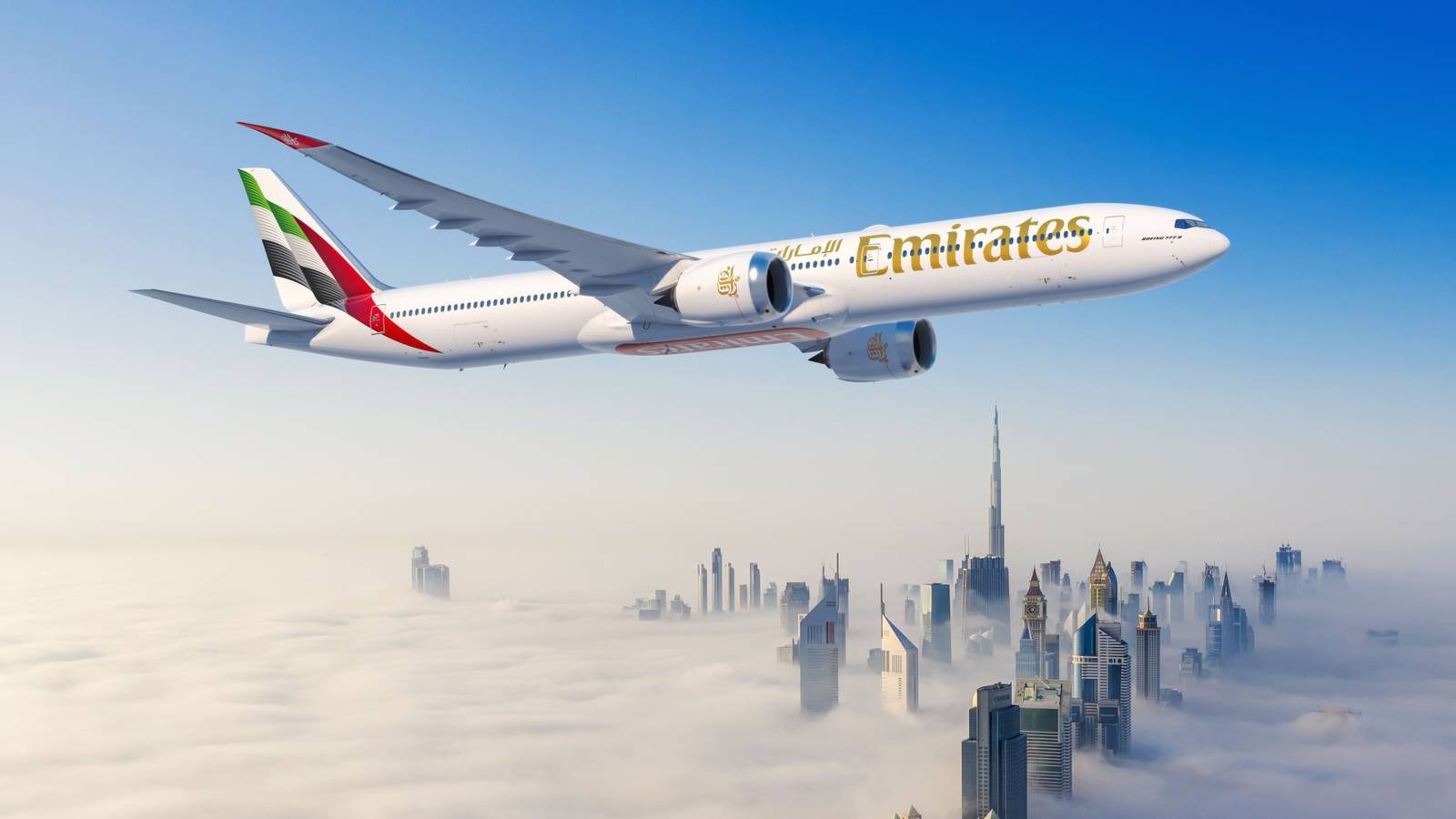
Emirates has committed to more than 200 Boeing 777X aircraft even as it operates a comparatively modest fleet of Airbus A350s, a strategic choice that stands apart from industry trends favoring smaller widebody twins.
The carrier currently flies 25 A350-900s with 48 additional examples on order, bringing its total commitment to 73 aircraft. Yet its backlog for the larger, shorter-range 777X dwarfs that figure by nearly threefold, according to a report. The disparity highlights Emirates' continued preference for high-capacity aircraft despite the A350's commercial success—the type has attracted more than twice the orders of the Boeing 777-200ER it was designed to replace.
Emirates relies on a fleet strategy centered around large aircraft, operating 117 Boeing 777-300ERs and 117 Airbus A380s, making it the superjumbo's largest customer. The carrier's A350s represent its smallest widebody type and are intended primarily for network expansion rather than fleet replacement. The more efficient twin-aisle is expected to open routes where the airline's jumbo aircraft provide excess capacity or prove uneconomical.
Adding another layer to its fleet puzzle, Emirates has ordered 30 Boeing 787 Dreamliners split evenly between the less-common 787-8 and 787-10 variants, notably bypassing the bestselling 787-9 entirely. That subfleet will be unusually small by Emirates standards and reflects the carrier's preference for operating at either end of the capacity spectrum.
The 777X, which offers greater capacity than the A350 but reduced range and fewer overall customers, appears positioned to eventually succeed Emirates' aging 777-300ER fleet. The Dubai hub carrier's all-widebody operation of more than 250 aircraft gives it unique requirements that differ from competitors who have embraced the flexibility of smaller long-haul twins. Emirates' massive 777X commitment suggests it sees continued value in higher-capacity aircraft for its hub-and-spoke model, even as much of the industry shifts toward point-to-point operations with more modest equipment.