Canada Joins Global Combat Air Program Amid F-35 Budget Overruns
Canada's defense ministry has entered the sixth-generation fighter consortium as an observer, signaling potential alternatives as its F-35 procurement costs balloon from $19 billion to $27 billion for 88 aircraft.
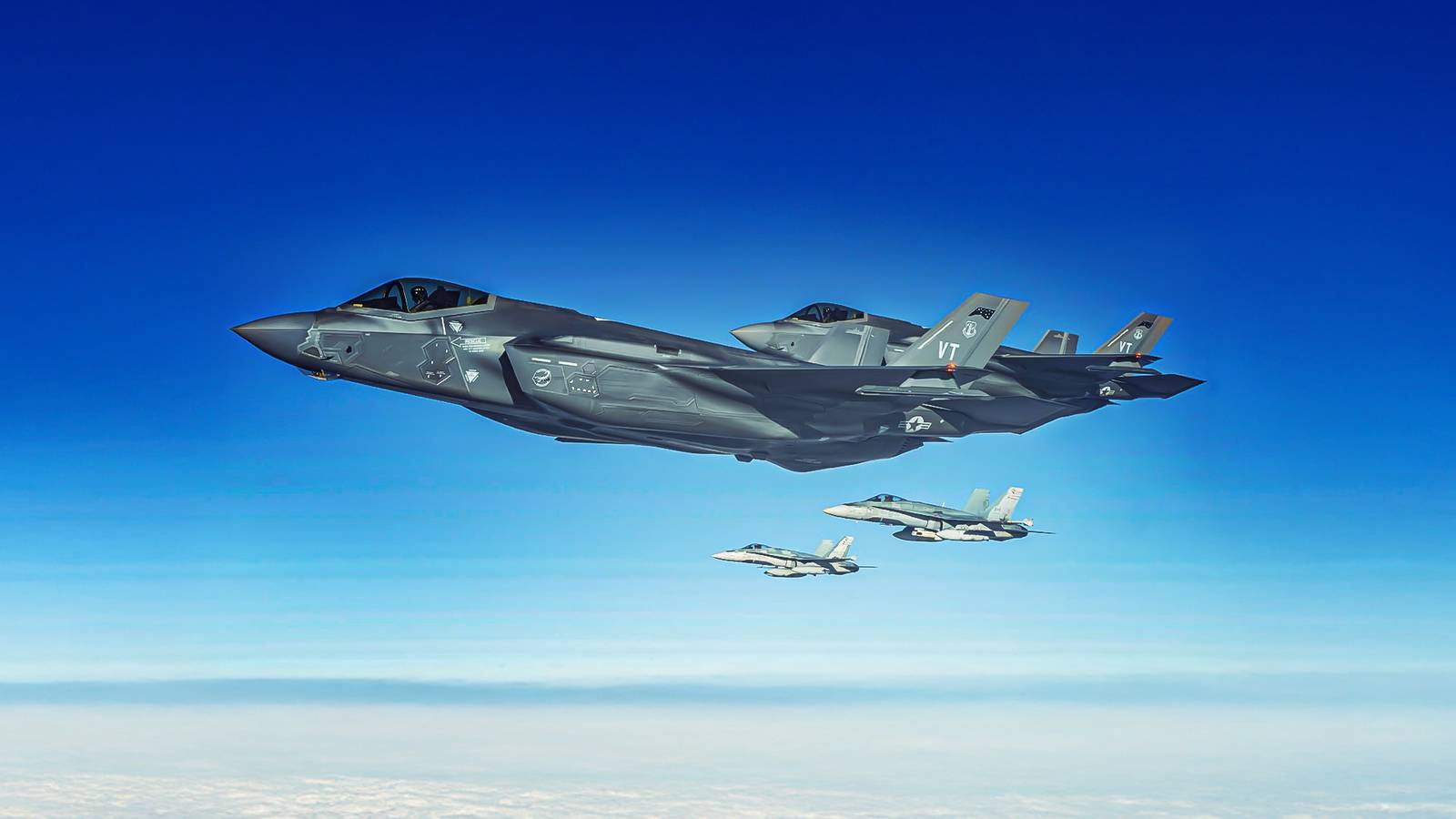
Canada's Ministry of Defense formally joined the Global Combat Air Program as an observer on July 22, a move that could reshape the Royal Canadian Air Force's troubled fighter procurement strategy as costs for Lockheed Martin's F-35 Lightning II continue climbing beyond original projections.
The RCAF initially committed to acquiring 88 F-35A stealth fighters under a $19 billion budget meant to replace its aging Boeing CF-188 Hornet fleet. According to a report from Simple Flying, that figure has since swelled to $27 billion due to inflation and persistent technological challenges affecting the Joint Strike Fighter program's global readiness. With Canada financially committed to only 16 airframes so far, the nation's entry into GCAP represents what observers view as a significant hedging move.
The Global Combat Air Program brings together the United Kingdom's Royal Air Force, Italy's Air Force, and Japan's Air Self-Defense Force in developing a sixth-generation stealth fighter through the Edgewing consortium. The initiative merges concepts from BAE Systems' Tempest design and Mitsubishi Heavy Industries' F-X program, with additional contributions from Leonardo Aerospace, MBDA Systems, Rolls-Royce, and Japan's aerospace research agency.
The next-generation fighter platform is reportedly designed to feature conventional and directed-energy weapons, comprehensive electronic warfare capabilities, and an advanced sensor architecture. Perhaps most notably, the program plans to integrate artificial intelligence systems and unmanned aircraft coordination as fundamental capabilities rather than retrofitted additions.
Canada's observer status in the trilateral program comes amid what Simple Flying characterizes as unusually strained relations with the United States under the Trump Administration, compounding frustrations over the F-35's cost escalation. The shift suggests Ottawa may be exploring alternatives to fulfill its fighter modernization requirements, though no final decision on the Joint Strike Fighter procurement has been announced.
For the RCAF, participation in GCAP could provide access to cutting-edge aviation technology through an equal-share partnership structure, potentially offering more favorable terms than the troubled F-35 deal that has left a 72-aircraft gap between Canada's original order and what its initial budget can now afford.