Boeing faces $15B loss as Emirates rejects early 777-9s
Certification delays spanning seven years have rendered approximately 30 early-production 777-9 airframes financially obsolete, with Emirates flatly refusing delivery of aircraft built between 2019 and 2020.
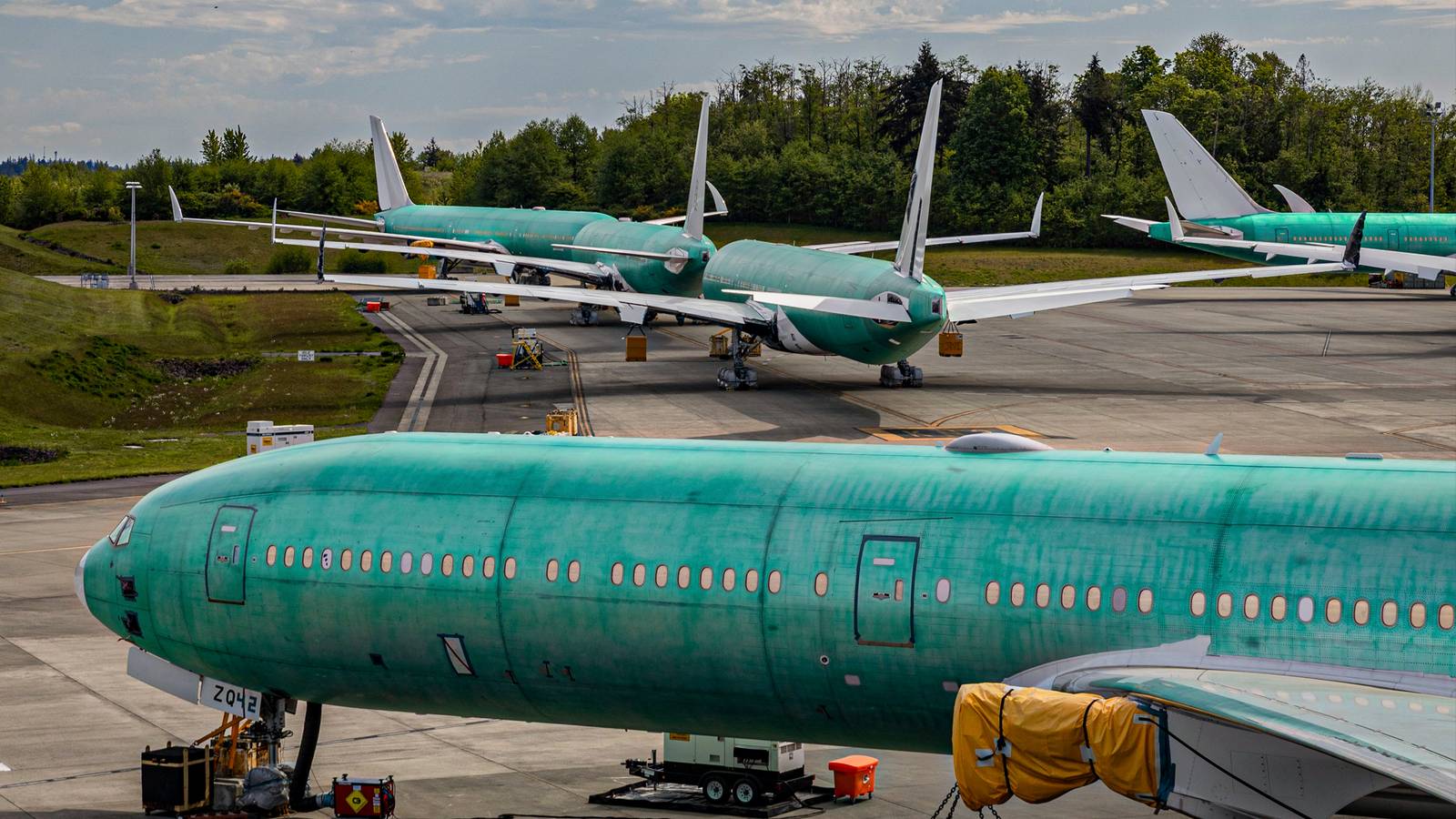
Boeing's protracted 777X certification process has created an unprecedented financial crisis, with the aircraft manufacturer facing a reported $15 billion accounting burden from roughly 30 to 40 early-build 777-9 widebodies now considered obsolete before entering service.
Speaking at the 2026 Farnborough Airshow, Emirates President Sir Tim Clark explicitly rejected the first ten early-production airframes currently stored at Boeing's Everett facility, dismissing them with the pointed remark that "Heinz would be interested – baked bean cans." The comment underscores how regulatory delays have transformed what was planned as a proactive manufacturing strategy into a storage yard of financially unviable aircraft, some already painted in customer livery.
The crisis stems from Boeing's decision to maintain production between 2019 and 2020 while Federal Aviation Administration certification standards underwent sweeping transformation following the 737 MAX groundings. According to the report, regulators abandoned previous delegated certification practices, scrutinizing every flight control algorithm and structural component with unprecedented rigor. As the certified baseline design shifted continuously throughout extended flight testing, early production frames fell increasingly out of alignment with evolving regulatory standards.
Each regulatory modification necessitated adjustments to manufacturing specifications, creating a widening gap between stored inventory and the certification-compliant configuration. The early-build fuselages, parked outdoors at Paine Field in the Pacific Northwest, have accumulated atmospheric weathering while their internal systems have grown technologically outdated over the seven-year delay.
Industry observers note the situation represents a breakdown in traditional aerospace production models, where manufacturers historically began customer aircraft assembly before completing all regulatory testing phases. Boeing's original 2013 program launch anticipated FAA approval proceeding on schedule, with early production models requiring only minor retrofits before delivery. Instead, the structural changes now required reportedly exceed the current value of the stored aircraft themselves, rendering retrofitting economically unfeasible compared to manufacturing new airframes to current specifications.
The rejection by Emirates, a key 777X launch customer, signals potential challenges for Boeing in finding buyers willing to accept the early-production inventory, raising questions about whether the manufacturer will ultimately scrap the fully-assembled widebodies rather than invest in costly modifications.