Boeing and Airbus Next-Gen Freighters Drop Nose Door Feature
As carriers retire aging 747-400F fleets through the early 2030s, neither the 777-8F nor A350F will replicate the front-loading capability critical for oversized cargo operations.
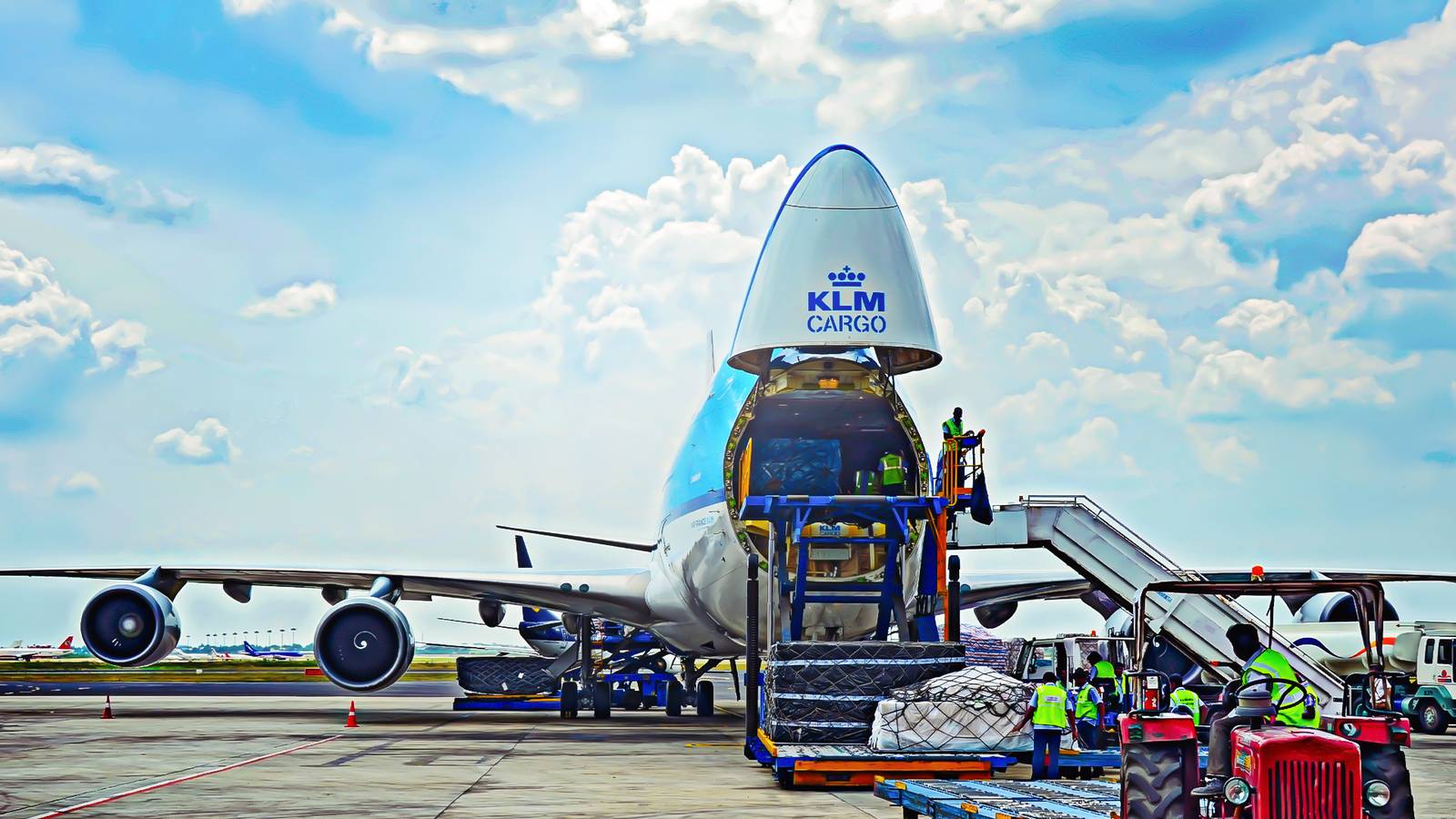
The commercial aviation industry confronts a looming capability gap as next-generation widebody freighters from Boeing and Airbus enter service without front-loading nose doors—a feature that has defined outsized cargo transport for more than five decades.
Major cargo operators preparing to phase out four-engine Boeing 747-400F aircraft in the late 2020s and early 2030s will transition to the 777-8F and Airbus A350F, twin-engine platforms promising substantial fuel efficiency gains but lacking the distinctive upward-swinging nose hatch that enables straight-through loading of ultra-long freight. The design omission marks an operational retreat from a configuration originally conceived in the 1960s when engineers anticipated that supersonic passenger jets would dominate long-haul routes, prompting them to future-proof the 747 airframe for dedicated cargo use.
The 747's elevated cockpit placement on an upper deck creates an unobstructed main-deck loading channel stretching from the forward radome to the aft pressure bulkhead, a geometry that cannot be replicated on conventional twin-engine widebody designs. That straight-line cargo path accommodates payloads up to 185 feet in length, including oil field drill pipes, power generation rotors under eight feet in height, helicopter fuselages, and aerospace wing sections that cannot be segmented for lateral loading through standard side cargo doors.
The nose door mechanism itself represents a complex feat of electro-mechanical engineering: sixteen motor-driven locking pins encircle the forward fuselage section, which tilts upward on a top-mounted hinge system before automated powered rollers embedded in the nose floor engage to accept heavy pallets driven directly onto the aircraft. Current environmental mandates and fuel-cost pressures, however, are driving carriers toward high-efficiency twin-engine platforms whose cockpit configurations preclude replicating that 1960s-era design solution.
As the last factory-built 747 freighters approach retirement, specialized air cargo segments dependent on nose-door loading face a capability vacuum that neither Boeing nor Airbus has indicated plans to address with purpose-built replacements. The industry transition leaves operators weighing fuel savings against payload flexibility in an era when both economic and regulatory forces favor twin-engine efficiency over specialized cargo architecture.