How Boeing's 777-300ER Reshaped Long-Haul Aviation Economics
The twin-engine widebody's combination of efficiency, range, and right-sizing fundamentally transformed airline route networks and accelerated the retirement of four-engine aircraft.
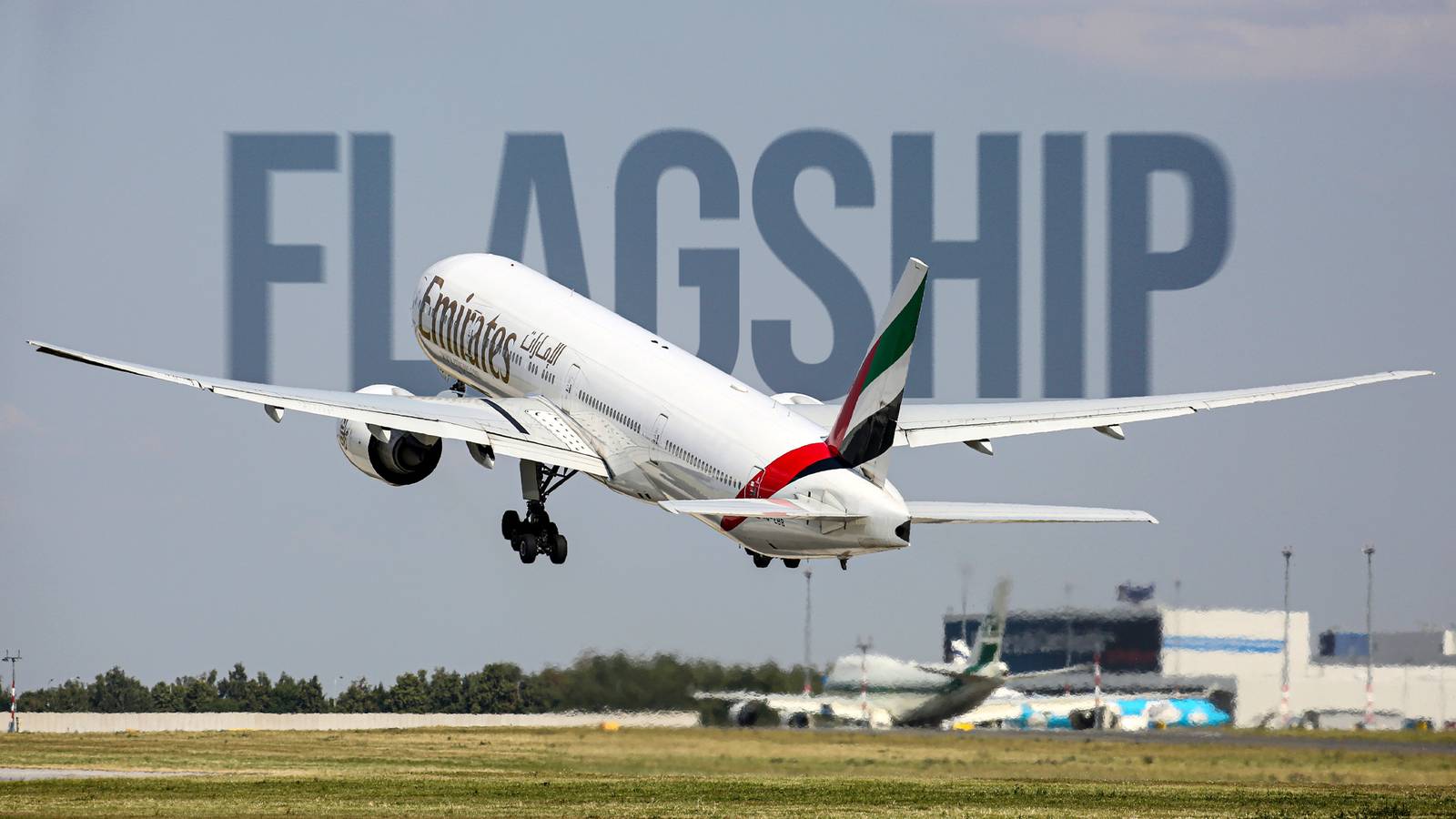
The Boeing 777-300ER has fundamentally altered the economics of long-haul commercial aviation, combining substantial passenger capacity with twin-engine efficiency in ways that rendered larger four-engine aircraft commercially obsolete. Building on the foundation established by Boeing's 767, the aircraft demonstrated that widebody twinjets could deliver both operational profitability and passenger satisfaction at unprecedented levels.
A pivotal breakthrough came through the aircraft's ETOPS-180 certification, which freed twin-engine operations from historical regulatory constraints that previously required such aircraft to remain near land. The GE90 powerplant's exceptional reliability and performance enabled the 777-300ER to achieve range capabilities that had previously been the exclusive domain of four-engine jets, fundamentally reshaping what twin-engine aircraft could accomplish on transoceanic routes.
The aircraft's commercial success stemmed largely from its operational flexibility compared to larger competitors. While the Airbus A380 and Boeing 747 offered greater capacity, their size became a liability in practice. Breaking even on an A380 flight requires filling more than half of approximately 500-plus seats, creating significant financial vulnerability during economic downturns. The 777-300ER's smaller footprint allows airlines to maintain profitability with lower load factors, providing crucial protection against market volatility.
Cargo revenue has emerged as another decisive advantage. The aircraft's substantial belly freight capacity often generates sufficient income to cover fuel costs entirely, effectively converting passenger revenue into pure profit on many routes. This ancillary revenue stream proved especially valuable as aviation networks gradually shifted from hub-and-spoke configurations toward point-to-point service patterns.
The transition to direct city-pair connections highlighted the 777-300ER's economic superiority. Routes connecting secondary cities that would prove financially ruinous for partially-filled 747-8 Intercontinentals became consistently profitable with the smaller widebody. Market outcomes reflected this fundamental shift: Boeing delivered just 48 passenger versions of the 747-8 Intercontinental, while more than 800 units of the 777-300ER entered service, establishing the type as the dominant platform for long-haul operations and validating the point-to-point network model.
The aircraft's impact extended beyond simple fleet replacement, fundamentally restructuring how airlines approach international route development and capacity planning in an era where operational flexibility increasingly determines commercial success.