American Airlines Basic Economy Changes Drive 5-Point Upsell Boost
The carrier reports a five-percentage-point increase in passengers upgrading to Main Cabin after implementing restrictions on its lowest fare class, confirming Basic Economy functions as much as revenue driver as budget option.
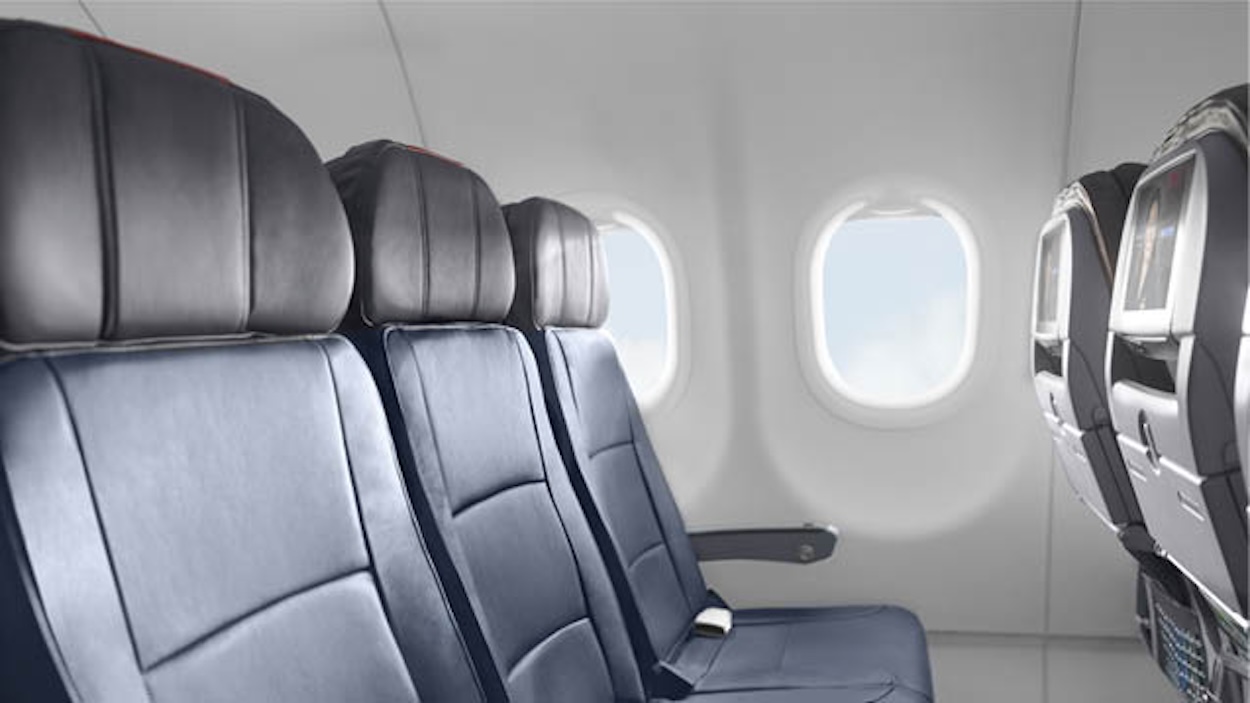
American Airlines disclosed during its second-quarter earnings call that modifications to its Basic Economy product drove a five-percentage-point rise in customers choosing to pay more for Main Cabin tickets during the period, validating the carrier's strategy of product differentiation through restriction rather than enhancement.
Chief Commercial Officer Nat Pieper characterized the uptick as evidence of "the effectiveness of our initiatives in driving higher value customer choices and stronger revenue performance," attributing the shift to what the airline terms "enhancements to our product attributes" — industry language for making the cheapest ticket class materially less attractive to travelers.
The restrictions American has layered onto Basic Economy now extend well beyond the familiar limitations of no advance seat selection, no voluntary itinerary changes, and last-call boarding group assignment. Passengers purchasing Basic Economy fares from December 17, 2025 onward forfeit all AAdvantage mile and Loyalty Point accrual — a significant departure for a product that still provides the same physical seat and cabin service as standard economy. Tickets bought after May 18, 2026 will additionally become ineligible for any upgrade consideration, including systemwide upgrade instruments. The carrier has also imposed a five-dollar surcharge on checked baggage for Basic Economy bookings compared to Main Cabin.
Standard Main Cabin fares, by contrast, continue to earn a minimum of five miles and Loyalty Points per dollar spent, permit fee-free itinerary modifications, and allow seat selection at booking. The growing gap between fare classes creates what industry observers describe as a decoy dynamic: Basic Economy anchors search results with an appealing headline price, then functions as a foil once travelers review what the ticket excludes.
While American frames Basic Economy as a value proposition for cost-conscious customers willing to trade flexibility for savings, the earnings disclosure suggests the product operates at least as effectively as a mechanism to steer bookings toward higher-yield inventory. The five-point conversion increase indicates that a measurable segment of price-shopping travelers, when presented with the accumulating list of restrictions, opts to pay the premium for Main Cabin rather than accept the base offering.
The airline's second-quarter results demonstrate that progressive de-contenting of entry-level fares can function as a revenue lever without necessarily reducing load factors, provided the gap between fare classes remains visible and consequential enough to influence purchase decisions at the point of sale.