Allegiant Air Cuts 7% of Flying, Sees Revenue Jump 16% on Tighter Scheduling
The ultra-low-cost carrier pruned less profitable flights while retaining nearly all its passengers, driving load factors and per-seat revenue to record levels.
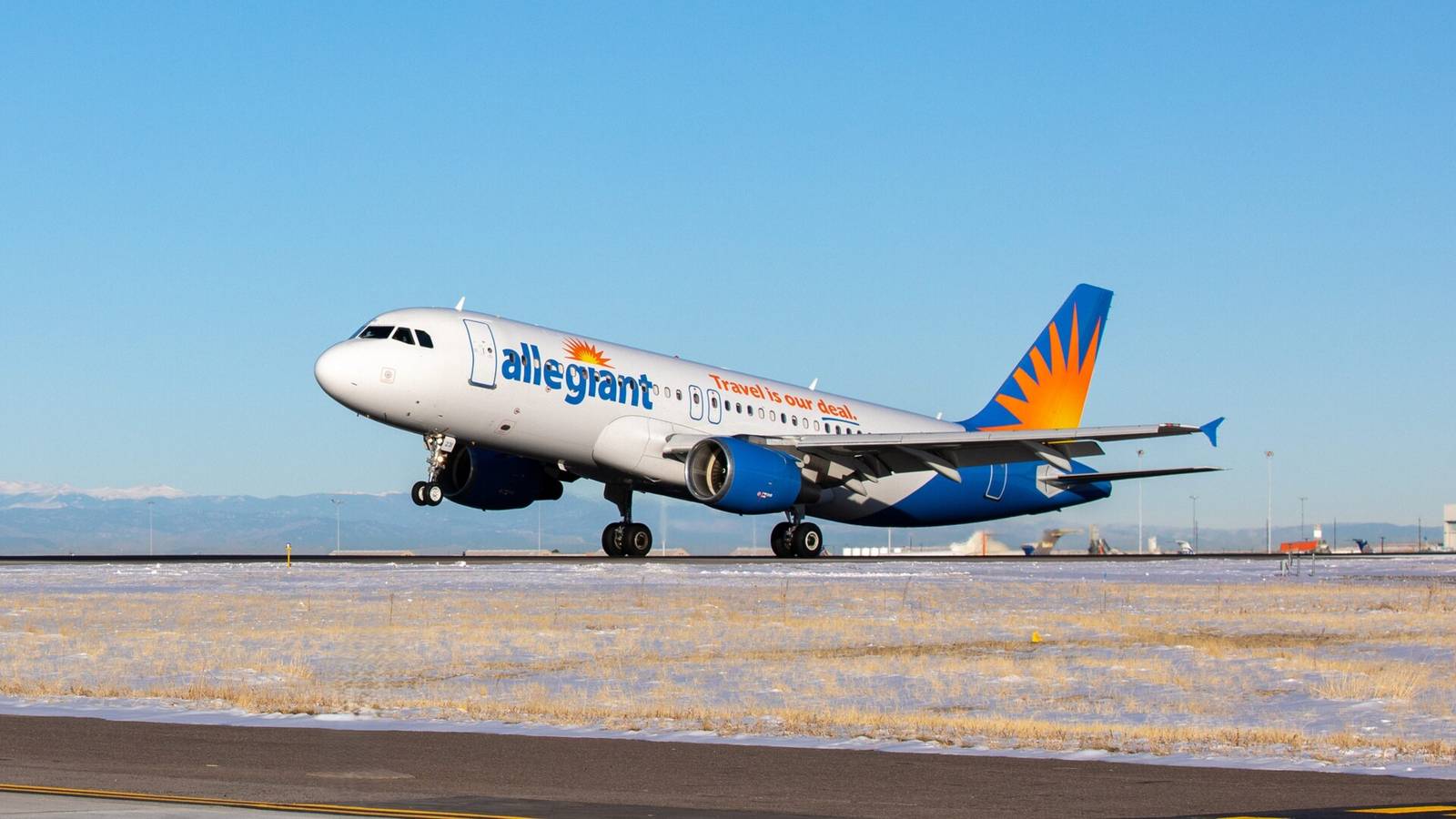
Allegiant Air reported a 16% year-over-year increase in operating revenue for the second quarter of 2026, even as the carrier reduced system capacity by 7% and operated roughly 2,600 fewer departures compared to the same period in 2025.
The Las Vegas–based ultra-low-cost carrier generated $776.2 million in operating revenue during the quarter, up $107.5 million from the prior year, according to its financial release. Passenger counts fell by only 1%, from 5.13 million to 5.07 million, meaning the airline shed nearly 7% of its flying while losing fewer than 54,000 travelers. The result was a four-percentage-point improvement in load factor, which climbed to 86%.
Allegiant's strategy centered on eliminating underperforming flights rather than scaling back uniformly across its network. Chief Executive Greg Anderson described the approach as a "low-utilization model" that concentrates flying during peak-demand periods while cutting capacity on days that fail to meet financial targets. Peak-day capacity reportedly increased by nearly 2%, even as overall scheduled capacity contracted by 6%.
The capacity discipline drove total revenue per available seat mile to an all-time company high of 14.42 cents, a 25% increase over the prior year. Available seat miles declined from 5.80 billion to 5.41 billion, while departures dropped from 37,314 to 34,733. The carrier's operating results remained profitable on an adjusted basis.
By concentrating passengers on fewer flights, Allegiant extracted substantially more revenue from each traveler while filling a greater proportion of seats. The outcome suggests that selective network pruning, rather than broad expansion, can generate outsized financial returns when demand is channeled into higher-yielding operations.