Airlines Quietly Phase Out Boeing 757s and 767s in Favor of Modern Twins
A methodical fleet transition is underway in 2026 as carriers replace decades-old workhorses with fuel-efficient twin-engine aircraft, reshaping route networks without the fanfare of pandemic-era retirements.
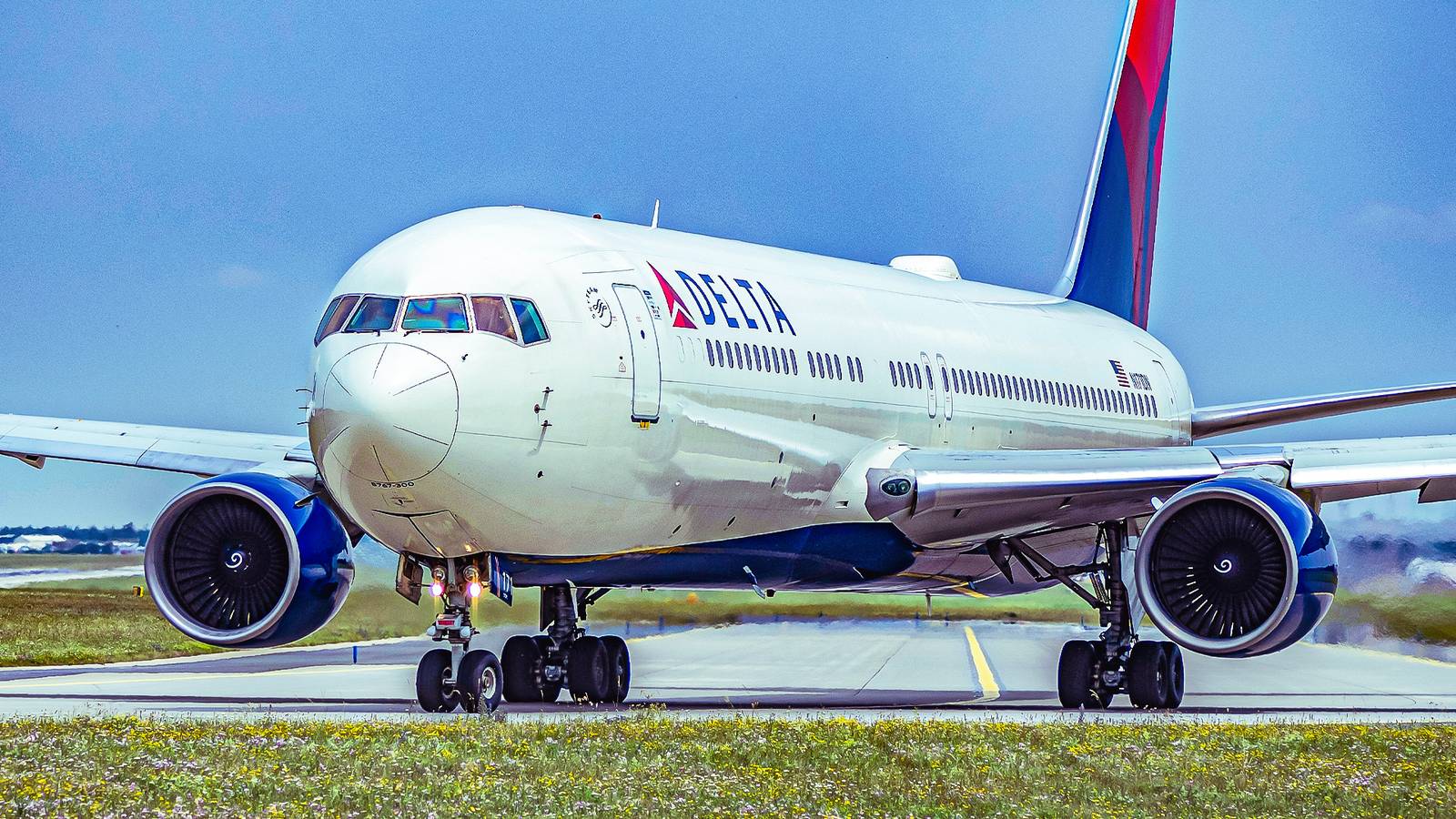
The global airline industry is executing a deliberate fleet transformation throughout 2026, retiring several aircraft types that have defined commercial aviation for the past four decades. Unlike the dramatic withdrawals that followed the pandemic, these changes are proceeding with minimal public attention as carriers replace aging jets with newer models offering superior fuel efficiency and lower maintenance requirements.
Among the aircraft types being phased out are the Boeing 757 and Boeing 767, along with the Airbus A340, older Airbus A330 variants, and substantial numbers of first-generation Boeing 737NGs and Airbus A320ceo family jets. The replacements signal a clear industry preference: efficient twin-engine designs and long-range narrowbody aircraft capable of operating routes that previously demanded much larger planes.
The Boeing 757's retirement represents one of the most significant transitions in the current cycle. Since entering commercial operation in the early 1980s, the type became renowned for pairing strong runway performance with substantial range, enabling airlines to link smaller cities directly across the Atlantic while handling challenging domestic sectors. No direct Boeing successor exists for the 757, but the arrival of the Airbus A321XLR has finally provided carriers with a viable alternative.
Icelandair is among the operators accelerating this shift. The carrier is reportedly retiring its remaining Boeing 767-300 fleet during 2026, concluding its brief widebody operations entirely, while simultaneously expediting the withdrawal of its Boeing 757s. The airline plans to standardize operations around the Airbus A321LR and A321XLR family, which can fulfill many of the same mission profiles.
Rather than executing one-for-one aircraft replacements, airlines are using these retirements to redesign their networks around evolving passenger demand and contemporary economic realities. While travelers may scarcely notice the aircraft swaps—or may simply observe refreshed cabin interiors—these fleet decisions will fundamentally reshape airline route structures for years ahead. The transition marks the end of an era for some of aviation's most recognizable types, replaced by a new generation prioritizing operational flexibility and cost efficiency.