Airlines Prioritize Hidden Soft Skills Over Service in Flight Attendant Hiring
Cabin crew recruitment focuses on safety expertise and elusive competencies rather than customer service alone, with acceptance rates below 1% at major carriers—lower than Ivy League admissions.
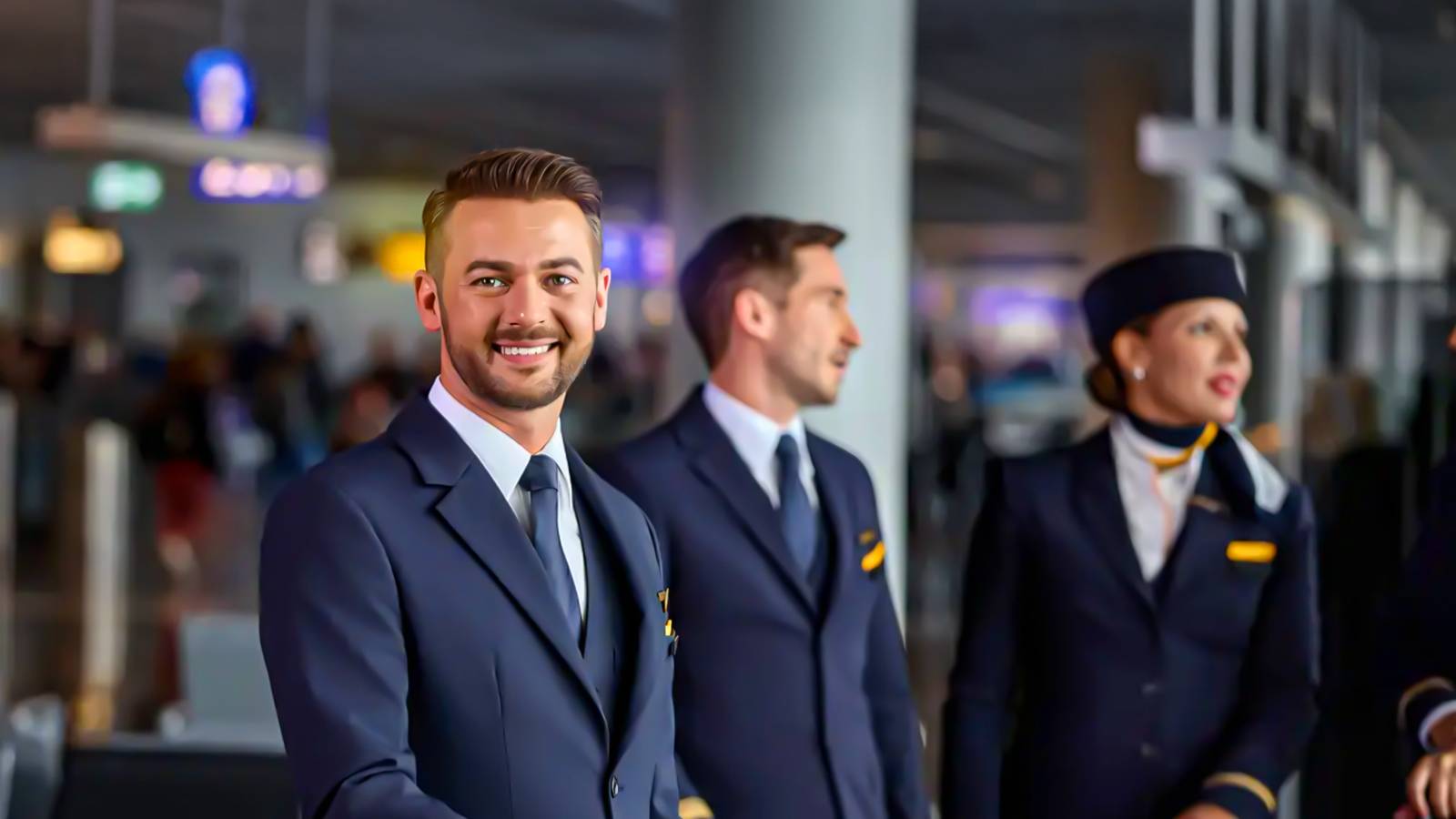
Major airlines maintain extraordinarily selective standards when recruiting flight attendants, with acceptance rates falling below 1% at leading carriers—making the positions statistically harder to secure than admission to Harvard University, according to industry analysis.
While passengers primarily perceive cabin crew as service personnel, carriers prioritize candidates who demonstrate safety proficiency and a complex blend of soft skills during rigorous assessment processes. The multifaceted role demands customer service capabilities, educational background, physical conditioning, and what recruiters describe as an "elusive set of skills" evaluated during assessment days.
Baseline requirements include a high school diploma, legal work authorization, and valid passport documentation. Most airlines set a minimum age threshold of 21 years due to onboard alcohol service responsibilities, though some accept applicants from age 18. Several years of customer service experience typically form part of the expected background. Appearance standards require no visible tattoos when in uniform and limit piercings to one standard ear-piercing per ear, although carriers including United Airlines and Virgin Atlantic have recently relaxed these restrictions. English fluency remains essential, as aviation communication operates in English globally.
Physical criteria extend beyond appearance standards. Candidates must demonstrate correctable vision to 6/9 acuity and strong hearing ability. Swimming proficiency requires covering at least 82 feet and treading water—preparation for potential water landings. The role demands fitness sufficient to manage extended shifts at altitude while manipulating heavy doors and equipment.
Spatial requirements ensure candidates fit safely in jumpseat harnesses and navigate aisles without obstruction. Overhead safety equipment access necessitates specific reach capabilities, with most carriers requiring a minimum vertical reach of 6.8 feet on tiptoe to fingertips. United Airlines specifies a 76-inch vertical and 43.5-inch horizontal reach performed barefoot, while Delta Air Lines sets an approximately 80-inch reach requirement. Some carriers permit candidates to wear shoes during reach assessments.
The stringent selection process reflects the safety-focused nature of the position, with thousands of annual applicants competing for limited openings at airlines seeking representatives who embody their brand standards while maintaining operational safety as the paramount responsibility.