Airbus A380 Operating Costs Vary Widely in 2026 Amid Fleet Size Factors
The superjumbo's hourly expenses remain challenging to pin down as maintenance infrastructure, fleet scale, and volatile fuel prices create significant cost disparities among operators.
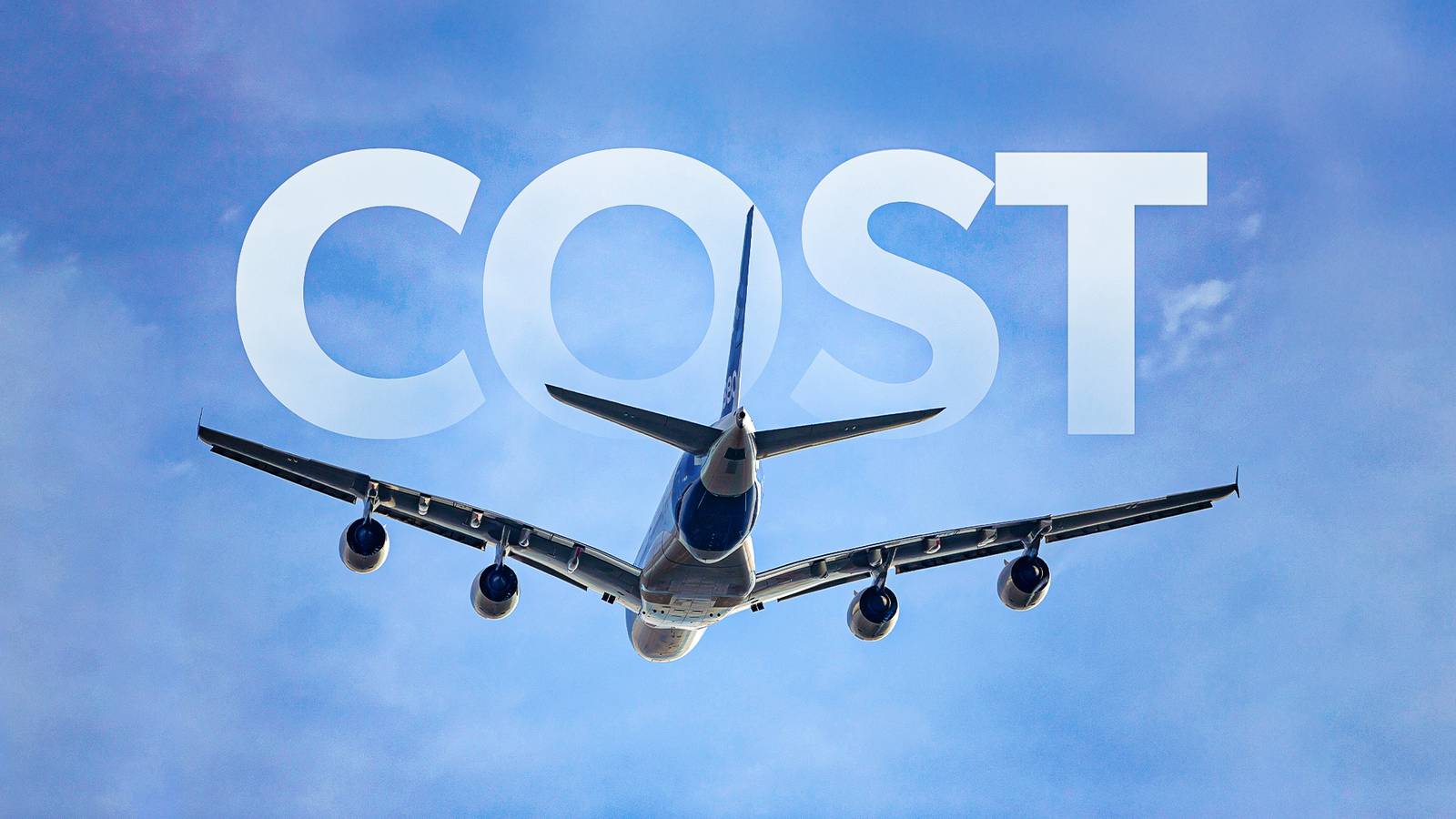
Determining precise hourly operating expenses for the Airbus A380 has proven elusive in 2026, as carriers face widely divergent cost structures depending on fleet composition and supporting infrastructure, according to recent analysis.
The double-decker's economic viability continues to hinge on select high-density corridors, particularly at slot-constrained airports such as London Heathrow. While the type's substantial fuel consumption remains a liability, operators benefit from treating the aircraft as fully depreciated assets with minimal resale value, keeping capital expenses relatively modest. Nevertheless, the superjumbo typically faces early retirement during downturns or fuel price surges.
Lufthansa's experience illustrates the complexity, as the carrier retained its eight remaining A380s through the 2026 fuel shock—even while deploying A340-600s and 747-400s for cost relief. The German flag carrier's extensive Boeing 747 maintenance network, operated through Lufthansa Technik, provides existing expertise and infrastructure that helps offset the complexity of supporting its passenger fleet compared with airlines maintaining only small 747 contingents.
Fleet scale emerges as a critical cost driver. Emirates, which controls roughly half the global A380 inventory and operated exclusively A380s and Boeing 777s until introducing the A350 in 2024, has accumulated spare parts inventories, engineering resources, and economies of scale that substantially reduce per-aircraft maintenance burdens. By contrast, carriers operating modest superjumbo fleets—including Lufthansa, Korean Air, ANA, and Qatar Airways—generally face elevated per-unit costs due to limited infrastructure amortization.
Fuel expense volatility adds further unpredictability. Jet fuel typically represents between one-quarter and one-third of airline operating costs, occasionally exceeding 40 percent during price spikes. The A380's high fuel burn amplifies this exposure, making hourly cost projections highly sensitive to commodity market fluctuations.
The combination of airline-specific maintenance infrastructure, fleet homogeneity benefits, and fuel market dynamics ensures that no single operating cost figure accurately reflects the A380's economics across the industry. While the aircraft can deliver profitability on the right routes with sufficient scale, smaller operators face a fundamentally different cost equation.