In This Guide
- 1.The drive nobody warns you about
- 2.What lobster season actually means here
- 3.Where to eat the lobster (and where to skip)
- 4.The lagoon side is the real show
- 5.Sleeping in Punta Allen without losing your mind
- 6.Snorkeling the reef without a crowd
- 7.Fly fishing for permit — if you're that kind of obsessed
- 8.Coming back to Tulum after Punta Allen
The truck hit a pothole deep enough to swallow a cantaloupe, and my coffee launched itself across the dashboard. That's the road into Sian Ka'an at 5:30 a.m. in July — dark, rutted, and empty in a way that makes you question whether your GPS has opinions about your survival. But lobster season had opened the day before, and the fishermen at Punta Allen were already hauling traps.
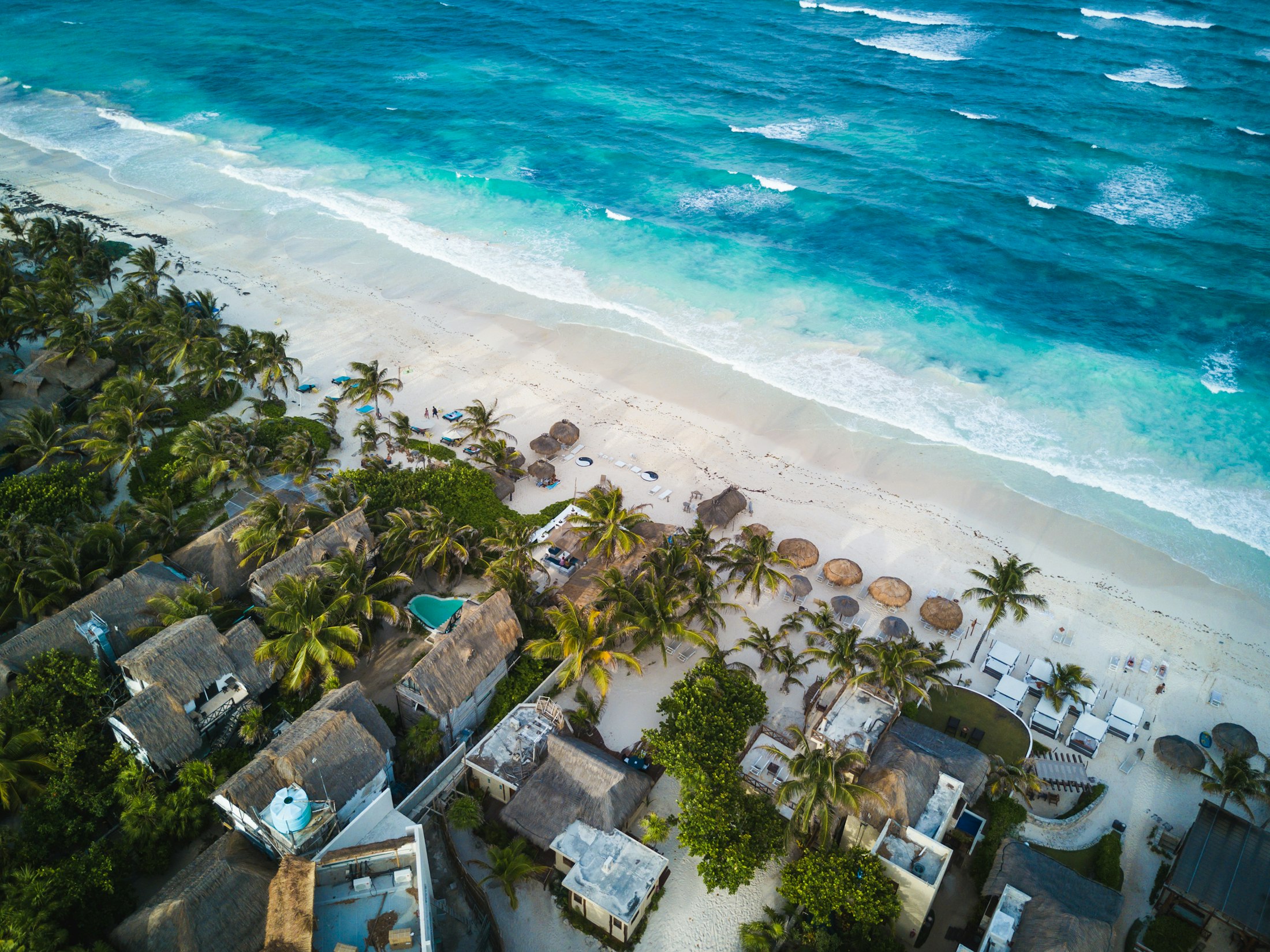
Most people who visit Tulum never make it past the beach clubs. They pay 800 pesos for a daybed, order a mezcal spritz, and post a reel. That's fine. But south of the hotel zone, past the last smoothie bar, a 1.3-million-acre biosphere reserve starts, and almost nobody goes there. During lobster season — July 1 through February — it becomes one of the most rewarding food experiences on the Caribbean coast, and it costs less than that daybed.
1. The drive nobody warns you about
From Tulum pueblo to Punta Allen, it's roughly 50 kilometers. On paper, that's nothing. In practice, it's a two-and-a-half-hour crawl over a crushed-limestone track that floods in rain and rattles your fillings in sun. Rent something with clearance — a Suzuki Jimny from the agencies on Avenida Cobá runs about 1,200–1,500 pesos per day, and they'll actually let you take it down there if you ask.
Leave before 6 a.m. The road has no shade, no cell signal past the reserve gate, and no gas stations. Bring water, a full tank, and a tire gauge. I've seen two blowouts on that road in three trips. The entrance to the Sian Ka'an reserve is marked by a guard station where you'll pay 80 pesos per person (as of summer 2024). They'll hand you a receipt and a look that says good luck.
Pro tip:If the road feels like too much, book a lancha (boat) from the dock near the Sian Ka'an arch. Fishermen run the trip for around 3,500–4,000 pesos for a small group, and you skip the road entirely.
2. What lobster season actually means here
This isn't Maine. The Caribbean spiny lobster — Panulirus argus — has no claws. What it has is a tail full of sweet, firm meat and a season regulated by the Mexican government to keep stocks healthy. The cooperativa at Punta Allen has managed these waters for decades, and their catch limits are strict. Fishermen use casitas, underwater shelters that attract lobsters without bait, and they free-dive to pull them out by hand.
The season runs July 1 through the end of February. Peak months are July and August, when the catch is fattest and the village has a quiet electricity about it. By October, the weather gets unpredictable — hurricane season is real, not theoretical, and I'd avoid late September through mid-November unless you enjoy watching palm trees bend sideways.
3. Where to eat the lobster (and where to skip)
Punta Allen has maybe a dozen restaurants. Most are palapa-roofed, sand-floored, and run by fishing families. The one I keep going back to is Muelle Viejo, right on the main dock. A whole grilled lobster with rice, tortillas, and a beer runs about 450–550 pesos depending on size. They cook it over wood. The char is real.
Skip the restaurants closer to the entrance of town that advertise "lobster pizza" or "lobster nachos." Y'all, if someone flew you to the Caribbean coast to eat lobster nachos, you'd be right to question their judgment. The simple preparations — grilled, steamed with lime and garlic, or in a ceviche — are better by every measure.
Some guides recommend a place called El Ultimo Maya. It's fine, but it caters heavily to tour groups, and the last time I ate there the lobster was overcooked and the service felt like it was running on a timer. Muelle Viejo and the nameless spot two doors south of the church are better bets.
Pro tip:Ask your server if they have lobster head soup — sopa de cabeza de langosta. Not every place offers it, but when they do, it's 80–120 pesos and tastes like the ocean distilled into a bowl.
4. The lagoon side is the real show
Everyone faces east toward the Caribbean. Fair enough — the water is absurdly clear. But the lagoon on the western side of the peninsula is where the ecosystem gets strange and interesting. Mangrove channels wind through brackish water where manatees surface without warning and crocodiles sun themselves on mudbanks.
You can hire a local guide with a flat-bottomed boat at Punta Allen for around 2,000–2,500 pesos for a half-day trip into the lagoon. They'll cut the motor in the channels and pole through. The silence is aggressive — no engines, no music, no construction noise. Just birds and water slapping fiberglass.
I watched a roseate spoonbill land ten feet from the bow once, close enough to see the spatula shape of its bill working the shallows. That doesn't happen in a place with jet skis.
5. Sleeping in Punta Allen without losing your mind
Electricity in Punta Allen runs on solar and generators. Some guesthouses have power all day; others shut it off between 11 p.m. and 6 a.m. Ask before you book. Wi-Fi exists in the way that hope exists — theoretically, and not when you need it.
Cielo y Selva, on the north end of the village, has simple cabañas starting around 1,200 pesos per night. Fans, mosquito nets, outdoor showers. The Canadian couple who runs it can arrange fishing trips. Serenidad Shardon, closer to the dock, is a bit more polished and runs about 1,800–2,200 pesos. Neither place takes credit cards reliably — bring cash in pesos.
Most travel writers call Punta Allen "rustic-chic" or romanticize the lack of infrastructure. It's not chic. It's a fishing village with limited plumbing and sand flies. If you need strong air conditioning and a cocktail menu, this is genuinely not the place for you, and that's okay. The people who love it love it because it's raw.
Pro tip:Pack a headlamp, insect repellent with at least 30% DEET, and a portable battery pack. Your phone is your camera, your flashlight, and your alarm clock, and there's nowhere to charge it at 2 a.m.
6. Snorkeling the reef without a crowd
The Mesoamerican Barrier Reef runs right along the coast here. Most Tulum-based snorkel tours go to spots north of the reserve, where the boats stack up like a parking lot. Inside Sian Ka'an, the reef is the same system but with a fraction of the traffic.
Punta Allen guides will take you to a reef flat about a 15-minute boat ride from the dock. The coral is healthy — big brain corals, sea fans, and nurse sharks dozing on the sand below. A snorkel trip runs 1,500–2,000 pesos per person and usually includes a stop at a sandbar where dolphins sometimes pass through. No guarantee on the dolphins, and any guide who guarantees them is lying.
Bring your own mask if you're particular about fit. The rental gear works, but it's been on a lot of faces.
Pro tip: Go in the morning. Afternoon winds pick up by 1 p.m. most days from June through September, and the water goes from glass to washing machine fast.
Stay in Tulum
Top-rated hotels near Tulum
Best locations · Verified reviews · Free cancellation
View deals
Expedia →7. Fly fishing for permit — if you're that kind of obsessed
Sian Ka'an is one of the top permit fisheries on earth, and the guides here have been poling flats for decades. A full day with a licensed guide runs $450–500 USD, which includes the boat, lunch, and gear. That's not cheap, but permit fishing rewards patience and punishes ego, and these guides are exceptionally good at reading the flats.
The season for permit overlaps with lobster season — peak months are March through September. Bonefish and tarpon are also here. If you've never fly-fished, this is an expensive place to learn, and I'd say start somewhere else. But if you've got the casting stroke and the temperament, it's worth the trip on its own.
Worth every sunburned knuckle.
Pro tip: Book guides through the Punta Allen fishing cooperative directly — Sociedad Cooperativa Vigía Chico. Middleman operations in Tulum mark up the price by 20–30%.
8. Coming back to Tulum after Punta Allen
The drive back north hits different. You come out of the reserve gate, cell signal floods your phone, and within twenty minutes you're passing beach clubs with velvet ropes and DJs. The contrast is jarring every time.
If you need a transition meal, stop at Taquería Honorio on Avenida Satélite in Tulum pueblo. It's a breakfast-and-lunch spot — usually packed by 9 a.m. — and the cochinita pibil tacos are 25 pesos each. Last time I was there in February, I ate four and fell asleep in my rental car for twenty minutes in the parking lot. No regrets.
Tulum is two places now. There's the Instagram corridor, and there's the wild south. The lobster, the reef, the silence of the lagoon — those are in the south, and they don't require a reservation or a cover charge. They just require that you're willing to drive a terrible road before sunrise.
Stay in Tulum
Top-rated hotels near Tulum
Best locations · Verified reviews · Free cancellation
View deals
Expedia →Essential tips
Fill your gas tank in Tulum pueblo before heading south. The last Pemex station is on Avenida Cobá — there is nothing after that until you return.
Bring cash in pesos. Card readers in Punta Allen are unreliable at best, nonexistent at worst. ATMs in Tulum pueblo (Banorte on the main strip) are your last chance.
Sand flies (jejenes) are brutal from 4–6 p.m. near the shore. Long pants, DEET, and a breeze are your only defenses. Coconut oil does not work no matter what the hostel guy tells you.
Check Conagua (Mexico's weather service) before committing to the drive. A hard rain can flood the road and strand you for hours. July and August get afternoon thunderstorms almost daily — plan to be indoors or under a palapa by 3 p.m.
Download offline maps (Google Maps or Maps.me) for the Sian Ka'an area before you leave Tulum. You'll lose all cell signal shortly after the reserve gate and won't get it back until you return.
Ready to visit Tulum?
Book your hotel, flights, and activities through our Expedia-powered search.