In This Guide
- 1.Getting there without losing your mind
- 2.The beer situation is better than you've heard
- 3.Where to eat when it's pouring
- 4.Coffee that actually lives up to the origin
- 5.What the rain actually does to your day
- 6.The street-art walk nobody's selling tickets to
- 7.Is it safe? (The question everyone asks but few answer honestly)
The rain started at 2:14 p.m., like it does every afternoon from May through November in San José's Central Valley. I was standing on Calle 33 with a half-finished imperial lager and no umbrella, watching the gutters fill up and the sidewalk tables empty. Within ten minutes, every craft-beer bar and restaurant on the strip had fogged windows and full seats. That's Barrio Escalante in green season — the rain doesn't shut things down, it just pushes everyone indoors and turns the volume up.
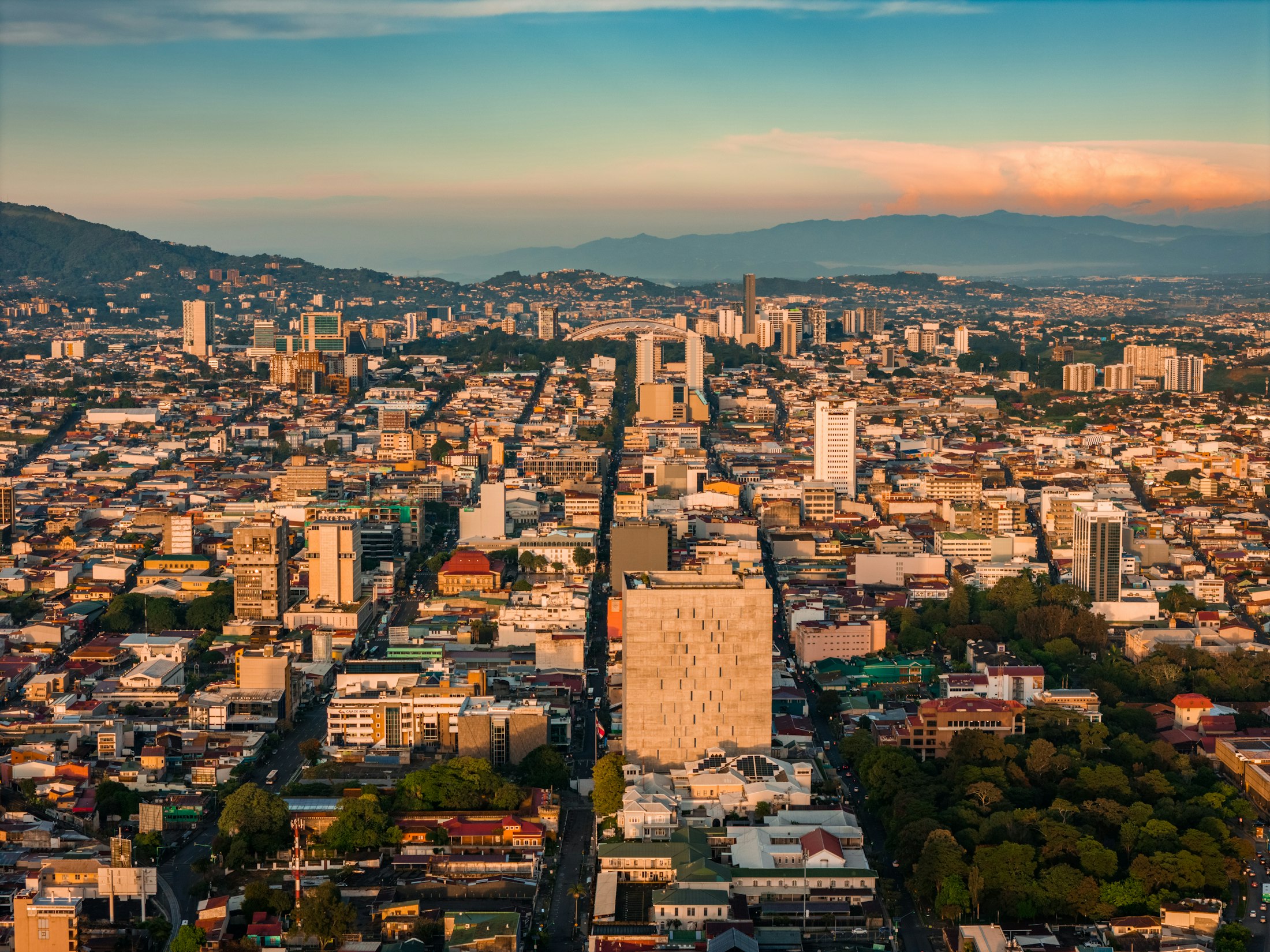
Most travel advice about Costa Rica treats San José as a layover. Fly in, sleep near the airport, head to the beach. I think that's a mistake, and Barrio Escalante is my main piece of evidence. This fourteen-block gastro corridor east of downtown has more interesting food per square meter than any beach town I've visited in the country. And in the rainy months, when tourist crowds thin out and afternoon downpours cool the air to a bearable 22°C, the neighborhood actually improves.
1. Getting there without losing your mind
From Juan Santamaría International Airport (SJO), Barrio Escalante is roughly 22 kilometers east. In dry-weather traffic, that's 35 minutes. In a green-season afternoon downpour, budget an hour. Uber works reliably in San José and the fare from the airport runs around ₡8,000–₡12,000 (roughly $15–$22 USD), depending on surge pricing when the rain hits.
If you're already in downtown San José, the walk from the National Theatre takes about 25 minutes heading east along Avenida Central, then turning north on Calle 33. The last few blocks climb slightly uphill. You'll pass the Parque Francia roundabout — that's your landmark. Once you see restaurants on both sides of the street, you're in it.
Don't bother renting a car just for this neighborhood. Street parking is scarce, the one-way grid is confusing even to locals, and the rain makes visibility poor after 3 p.m.
Pro tip:Set your Uber pickup pin precisely — Barrio Escalante's one-way streets mean a misplaced pin can send your driver on a ten-minute loop around the neighborhood.
2. The beer situation is better than you've heard
Costa Rica's craft-beer scene gets overlooked because Imperial and Pilsen dominate every beach cooler in the country. Barrio Escalante is where the counterargument lives. Within a six-block stretch, you can hit four or five taprooms pouring Costa Rican independents.
Costa Rica's Craft Brewing Company, on Calle 33 near Avenida 11, is the anchor. Their Segua red ale — named after a figure from local folklore — is the beer that convinced me Costa Rican craft wasn't just IPAs brewed for expats. They rotate seasonal taps, and in green season you'll usually find something brewed with local tropical fruit. A pint runs about ₡3,000.
Wilk, a couple blocks south, leans heavier into Belgian styles and sours. Smaller space, fewer taps, but the curation is sharper. I've had better individual pours at Wilk than anywhere else on the strip. Last visit in September, I tried a guava gose that had no business being as good as it was.
Skip the Heineken-branded pop-up bars that occasionally appear near the Parque Francia end. They're corporate marketing exercises with ₡4,500 beers and zero personality.
Pro tip:Most taprooms in Barrio Escalante open at 4 p.m. on weekdays, noon on Saturdays. Don't show up at 11 a.m. on a Tuesday expecting a pour.

Stay in San Jose
Top-rated hotels near San Jose
Best locations · Verified reviews · Free cancellation
View deals
Expedia →3. Where to eat when it's pouring
Al Mercat, on Avenida 11, does a rotating small-plates menu that leans Mediterranean but uses Costa Rican ingredients. The pulpo a la plancha is the dish people talk about. It's good — I'd order it again — but honestly the patacones con chimichurri hit harder for half the price. Expect to spend ₡12,000–₡18,000 per person without drinks.
Sofía Mediterráneo, a block east, is where you should go for a longer sit-down meal. The space is narrow, the rain drums on the metal roof, and the pasta is made in-house. Their lamb ragú pappardelle costs around ₡9,500 and is the best plate of pasta I've eaten in Central America. Bold claim. I'm comfortable with it.
For something fast and cheap, Mantras Veggie Café does a solid casado-style plate with plant-based protein for about ₡5,000. The dining room is tiny — maybe eight tables — so rainy afternoons mean a short wait.
4. Coffee that actually lives up to the origin
Costa Rica grows exceptional coffee and then, in most of its restaurants and hotels, serves it badly. Weak, over-extracted, lukewarm. Barrio Escalante is where that pattern breaks.
Cafeoteca, on Calle 33, sources single-origin beans from Tarrazú, West Valley, and Brunca regions and roasts them in-house. You can watch the roaster working through a glass partition while you drink a pour-over. A V60 runs ₡2,800. They take it seriously without making it pretentious — no one's going to lecture you for adding sugar.
Franco, nearby on Avenida 9, is more of a brunch spot with good espresso drinks. Their cortado is well-pulled, but the food is overpriced for what it is — the avocado toast at ₡5,500 is fine, just not ₡5,500 fine.
Pro tip: Cafeoteca sells 340g bags of their roasted beans for around ₡6,500. Better souvenir than anything at the airport gift shop.
Stay in San Jose
Top-rated hotels near San Jose
Best locations · Verified reviews · Free cancellation
View deals
Expedia →5. What the rain actually does to your day
Green season in San José follows a reliable pattern. Mornings are clear and warm — 24°C to 27°C. Clouds build by noon. Rain arrives between 1 p.m. and 3 p.m., heavy but usually not violent. It tapers by 5 or 6 p.m. Evenings are cool and damp.
This means your Barrio Escalante day has a natural shape: coffee and walking in the morning, lunch before the rain, bar-hopping during the downpour, dinner after it clears. The trick is not fighting the schedule. I made the mistake of trying to walk between taprooms during a 3 p.m. downpour my first trip. Two blocks. Soaked through. Just stay put, order another round, and wait.
Bring a packable rain jacket. Not an umbrella — the wind gusts make umbrellas useless about half the time. A $30 shell that stuffs into your daypack will serve you better than anything else you bring to Costa Rica.
6. The street-art walk nobody's selling tickets to
Between Calle 31 and Calle 35, the side streets off the main restaurant drag have accumulated a decent collection of murals. Not curated gallery stuff — rougher, more political, some of it fading. The best cluster is on the walls along Avenida 9 between Calle 33 and Calle 35. Look for a large-scale piece depicting a quetzal tangled in barbed wire. No plaque, no artist credit that I could find.
Do this walk before noon, when the light is flat and the streets are dry. Twenty minutes, tops.
7. Is it safe? (The question everyone asks but few answer honestly)
Barrio Escalante is one of the safer neighborhoods in San José. That's a relative statement, and I want to be honest about what it means. The restaurant strip along Calle 33 is well-lit and busy most evenings. I've walked it alone at 10 p.m. without concern.
The blocks south of Avenida Central get quieter and darker. Standard city rules apply: don't flash expensive gear, keep your phone in your front pocket, use Uber instead of walking alone after midnight. Phone snatching and bag grabbing are the primary risks, not violent crime.
Green season actually helps here. Fewer tourists means fewer targets, and the locals-heavy crowd makes the strip feel less like a zone that attracts opportunists. The rain clears the sidewalks of the aggressive souvenir vendors you'll encounter in drier, more tourist-heavy months.
Pro tip:Save your bar receipts. Some Uber drivers in San José won't pick up passengers who look like they've been wandering aimlessly — having a receipt from a known establishment helps if you need to explain where you are.
Essential tips
Pack a lightweight rain shell, not an umbrella. Afternoon wind gusts in green season will invert a standard umbrella within minutes.
Most Barrio Escalante restaurants accept credit cards, but a few smaller spots — especially Mantras and some weekend pop-ups — are cash-only. Carry at least ₡15,000 in colones.
Download the Uber app before arriving. Regular taxis in San José use meters (called 'maría'), but unlicensed cabs near tourist areas will quote flat rates at 2–3x the real fare.
Plan your outdoor walking for before noon. By 1 p.m. in green season, clouds are already building and you'll have maybe 30 minutes of warning before the rain starts.
Ready to visit San Jose?
Book your hotel, flights, and activities through our Expedia-powered search.


