In This Guide
- 1.The geography matters more than you think
- 2.Poutine after midnight: where and how greasy
- 3.Festival d'Été and the brass that fills the streets
- 4.Bars worth entering after 11 p.m.
- 5.The restaurant question
- 6.Weather, because nobody ever mentions weather
- 7.Getting there and getting around at weird hours
- 8.What the neighbourhood sounds like at 2 a.m.
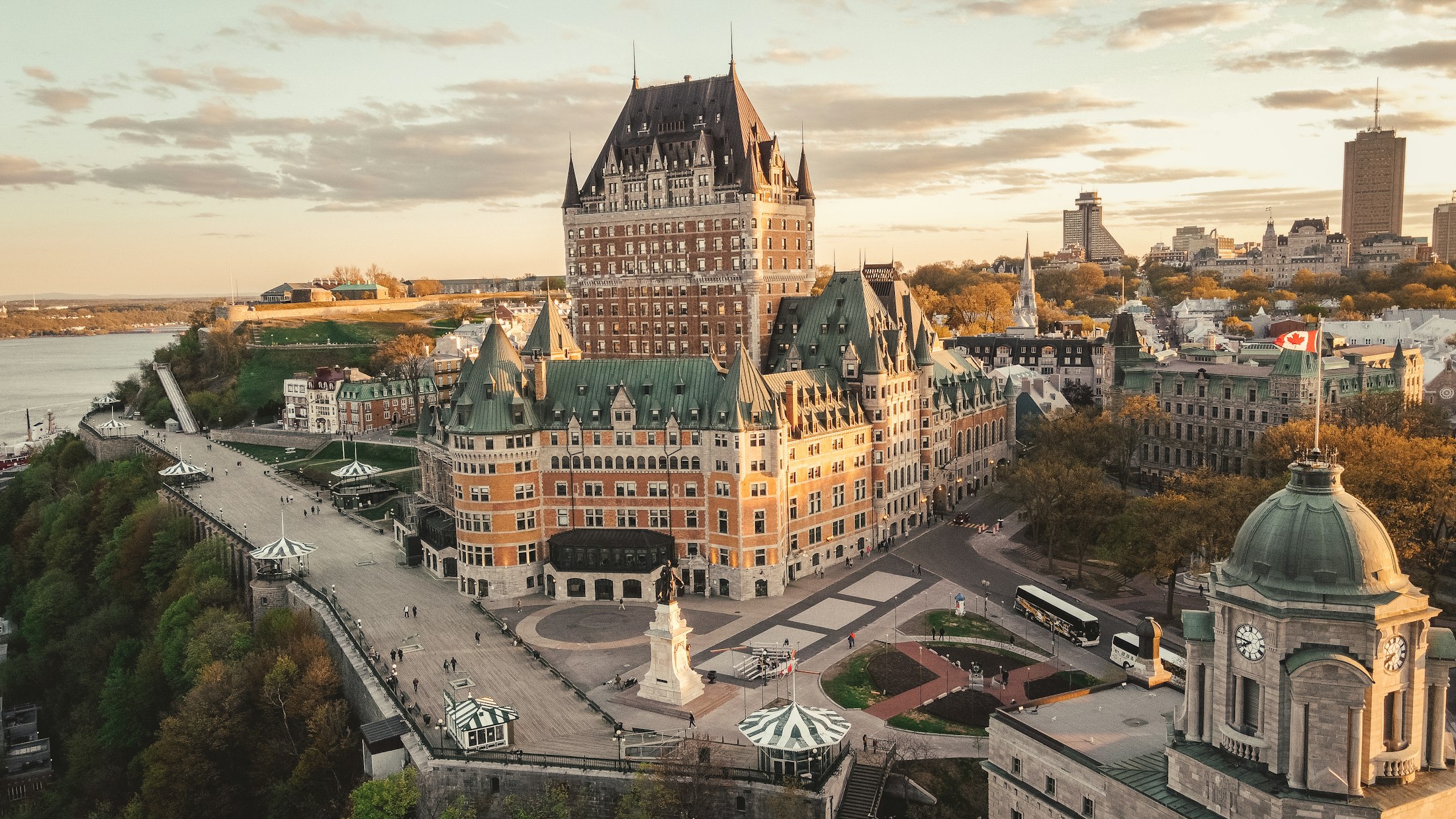
I stepped off the Rue Saint-Joseph at quarter past one on a Thursday in July, brass bleeding from a stage two blocks east, and a guy in a Nordiques jersey handed me a flyer for a DJ set happening in a parking garage. That's Saint-Roch after midnight. Québec City's Lower Town neighbourhood doesn't really start until the rest of the old city shuts down — the restaurants on Grande Allée push their last checks, the Château Frontenac crowd retreats, and Saint-Roch wakes up like it's been napping all day.
Most guides point you to the Upper Town walls and the Quartier Petit Champlain. Fine. But if you want to eat poutine at 2 a.m. while a trombone player works through a set on a temporary stage thirty feet from your table, y'all need to come down the hill.
1. The geography matters more than you think
Saint-Roch sits in the flats below the cliff that holds Old Québec. You can walk down the Côte d'Abraham from the Upper Town in about twelve minutes, or take the escalier mécanique — an outdoor escalator connecting Rue de la Couronne to the Faubourg — which runs until roughly 11:30 p.m. After that, you're on foot or grabbing a cab.
Most of what matters after dark lives along Rue Saint-Joseph Est between Rue Dorchester and Rue du Pont, a stretch of maybe six blocks. It's flat, it's walkable, and in July the streets stay light until almost 9:30 p.m., which means the real late-night energy doesn't kick in until 11.
Pro tip:If you're driving, the Parking Médicis on Rue de la Chapelle charges around $10 CAD for an evening flat rate and sits two blocks from the main drag. Street parking is free after 9 p.m. on most of the surrounding residential streets.
2. Poutine after midnight: where and how greasy
Chez Ashton has been the default late-night poutine in Québec City since 1969, and the Saint-Roch location on Rue Saint-Joseph stays open until 3 or 4 a.m. on weekends during the summer. A regular poutine runs about $9.50 CAD. The curds are fine. The gravy is salty and competent. Nobody comes here expecting revelation — they come because it's there, it's cheap, and it absorbs whatever you drank.
I actually prefer La Poutinerie on Rue du Parvis for a thicker-cut fry and a darker gravy that tastes like it was made with real fond. Their galvaude — poutine topped with shredded chicken and green peas — is the move at 1 a.m. Around $13 CAD.
Skip Poutineville if someone suggests it. It's a chain trying to do the custom-toppings thing, and the result is a confused plate. Poutine doesn't need pulled pork and sriracha mayo. It needs fries, curds, and gravy, done right.
3. Festival d'Été and the brass that fills the streets
The Festival d'Été de Québec — FEQ, if you're talking to locals — takes over the city for eleven days in early July. The main stages are up on the Plains of Abraham, but the overflow spills downhill into Saint-Roch, and that's where it gets interesting. Free outdoor stages go up along Rue Saint-Joseph and in the Jardin de Saint-Roch. The programming skews toward brass ensembles, funk, and Québécois folk acts that don't get mainstage billing but play harder.
Last time I was there, a seven-piece brass band from Montréal played a set in front of the Bibliothèque Gabrielle-Roy that had maybe two hundred people dancing in the street at 11:45 on a Wednesday. No admission. No wristband.
The main FEQ pass costs around $125 CAD for the full run or about $50 CAD for a single evening on the Plains. Some of the best music during the festival is the stuff you don't pay for.
Pro tip: The festival runs roughly July 3–13 most years. Check the FEQ website in late April for exact dates and the lineup. Accommodations within walking distance of Saint-Roch book up by May.
4. Bars worth entering after 11 p.m.
Le Sacrilège on Rue Saint-Jean isn't technically in Saint-Roch — it's on the border, uphill — but its backyard terrace is one of the few in the area that stays open and populated past midnight. Draft microbrews run $8–10 CAD. The crowd is a mix of Université Laval students and thirtysomethings who never left the neighbourhood.
La Barberie on Rue Saint-Roch brews its own beer and operates as a co-op, which means the vibe is more communal table than polished bar. Their white IPA is worth trying. Pints are around $7 CAD, about as cheap as it gets in this city.
Noctambule, on Rue Saint-Vallier Est, keeps the weird hours. Live jazz, spoken word, experimental stuff. It's a small room and it can feel like someone's living room, which is the point. Cover is usually $5–10 CAD depending on the act.
Pro tip:La Barberie closes earlier than you'd expect — usually around midnight, sometimes 11 p.m. on weeknights. Go early in the evening if you want to try their beers, then migrate.
Stay in Quebec City
Top-rated hotels near Quebec City
Best locations · Verified reviews · Free cancellation
View deals
Expedia →5. The restaurant question
Saint-Roch's sit-down restaurant scene is overrated. Food writers from Montréal and Toronto have been hyping it for a decade, and while there are solid kitchens — Le Clocher Penché on Rue Saint-Joseph does a serious brunch and a competent dinner — the prices have crept up to a point where you're paying $35–45 CAD for a main course that doesn't quite justify the number. The cooking is good. It's not Montréal good.
What the neighbourhood does well is casual food after 10 p.m. The late kitchens. The counter spots.
Nina Pizza Napolitaine on Rue Saint-Joseph makes a Margherita that costs $14 CAD and would hold up in a blind test against places charging twice that. Their kitchen runs until 10 p.m. most nights, 11 p.m. on weekends during summer.
6. Weather, because nobody ever mentions weather
Québec City in July averages highs around 25°C and lows near 14°C. That sounds mild until you factor in the humidity, which can make a midnight walk feel damp in a way that seeps into your clothes. Bring a light layer. I've worn a flannel at 1 a.m. in mid-July and been glad for it.
In winter — and I have to say this because someone will read this article in January and get ambitious — Saint-Roch after midnight is a different proposition. Temperatures drop to –15°C or colder. The street life evaporates. Most of the outdoor stages and terrasses are gone. The bars still open, but the walking-around-outside-listening-to-brass thing is a summer phenomenon.
Shoulder season, late September, can be excellent. The festival crowds are gone, the restaurants are less packed, and the air is dry and cool.
Pro tip:If you're coming during FEQ in July, check the hourly forecast before heading out at night. Thunderstorms roll through fast and the outdoor stages shut down with almost no warning.
Stay in Quebec City
Top-rated hotels near Quebec City
Best locations · Verified reviews · Free cancellation
View deals
Expedia →7. Getting there and getting around at weird hours
From the Jean Lesage airport, the drive to Saint-Roch takes about 15 minutes without traffic. A taxi runs roughly $35 CAD. No rail link from the airport, which is annoying but typical for a mid-size Canadian city.
RTC buses serve the neighbourhood, but after midnight the routes thin out dramatically. The 800 and 801 Métrobus lines run until about 1 a.m. on weekdays, a bit later on weekends. After that, you're looking at Uber or a taxi. Uber works fine in Québec City, though surge pricing during FEQ can double or triple a normal fare.
On foot, the walk from the Château Frontenac area down to Rue Saint-Joseph takes about 20 minutes. Downhill. The return trip, uphill, at 2 a.m., after poutine — budget 25 to 30.
8. What the neighbourhood sounds like at 2 a.m.
Not quiet. That's the thing people don't expect from Québec City. The Upper Town goes to sleep. Saint-Roch doesn't, at least not in summer. You hear snatches of French conversation spilling out of bar doors, the clatter of a poutine counter, someone busking accordion on a corner near Rue du Parvis. Occasionally a car with the windows down playing something loud and Francophone.
Just noise and grease and brass.
The neighbourhood isn't trying to be Montréal's Plateau. It's not performing coolness. It's a Lower Town district where people actually live, where the rent is still relatively affordable, and where the bars stay open because the neighbours are in them.
Essential tips
Saint-Roch is a Francophone neighbourhood. Basic French — bonsoir, merci, l'addition s'il vous plaît — goes a long way. Most bar staff speak English but will warm up faster if you open in French.
Many of the smaller bars and poutine counters are cash-preferred or have minimum card charges around $10–15 CAD. Carry a $20 bill.
July thunderstorms can appear within 30 minutes. The awnings along Rue Saint-Joseph provide some cover, but a packable rain jacket saves the night.
Download the RTC bus app before you arrive. Real-time tracking is the only way to know if a late-night bus is actually coming or if it's time to call a car.
Ready to visit Quebec City?
Book your hotel, flights, and activities through our Expedia-powered search.


