In This Guide
- 1.Cafe Madras, and why you go at 6:45 a.m.
- 2.The filter coffee question
- 3.What happens at A. Rama Nayak's Udipi Sri Krishna Boarding between 11:30 and 12:15
- 4.Walking Matunga's side streets in the rain
- 5.The evening snack window: 4:30 to 6:30 p.m.
- 6.Skip the fusion places
- 7.South Indian provisions stores and what to bring home
- 8.The last coffee before the train
- 9.Monsoon as seasoning
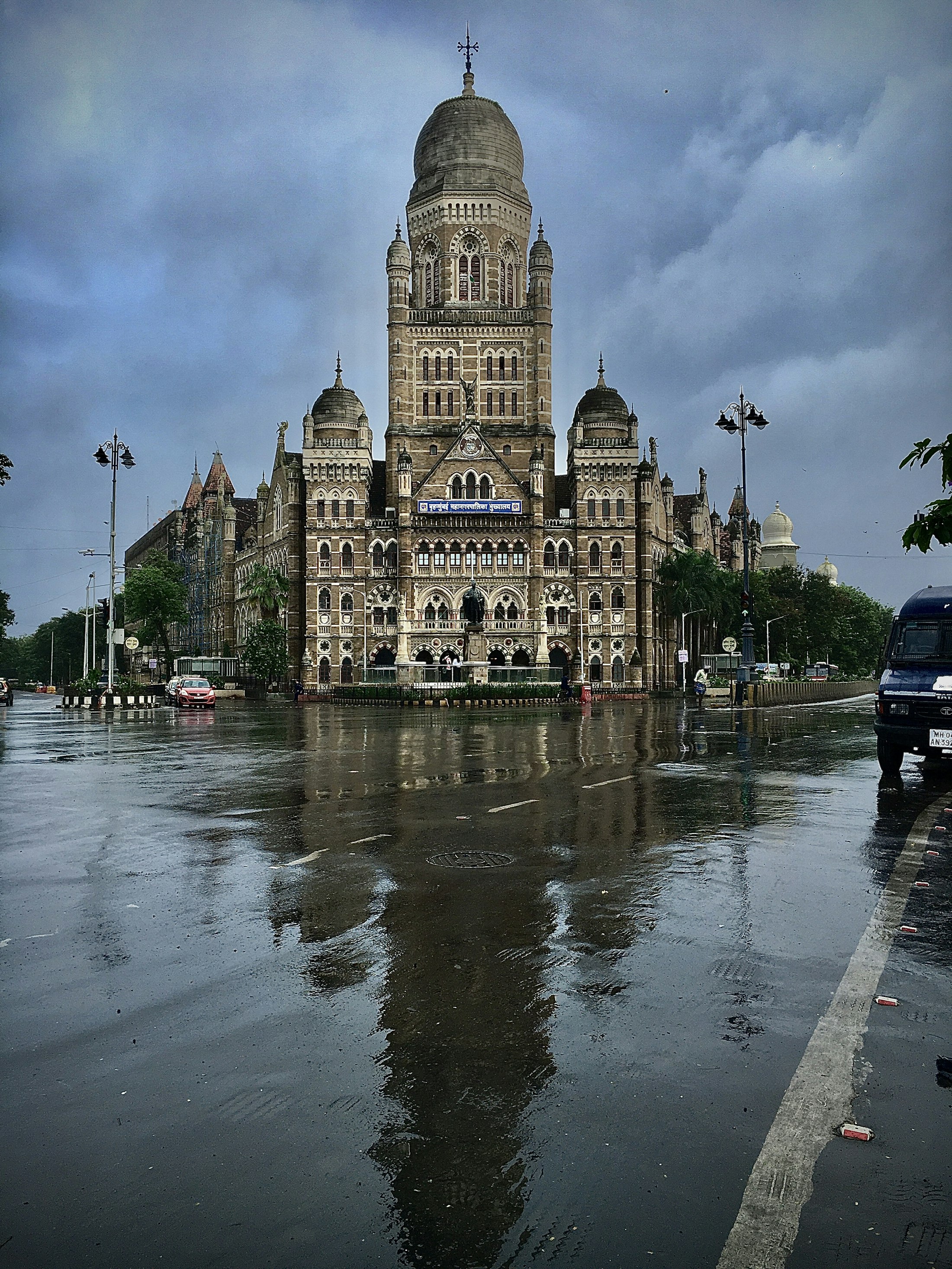
The rain had been falling for three hours when I turned off King's Circle and walked into Matunga. Not the gentle rain travel writers conjure — Mumbai monsoon rain, the kind that fills your shoes in thirty seconds and turns every gutter into a moving creek. I hadn't planned on being here in July. A cancelled connection at CST gave me four hours, and Matunga is what you do with four hours in monsoon Mumbai if you care about eating well.
A few blocks of Tamil and Udipi restaurants, filter coffee counters, and banana-leaf lunch joints wedged between the Central and Harbour rail lines — the neighborhood operates on its own metabolic clock. Morning tiffin starts before six. By 11:30, the lunch crowd is already seated. When the afternoon downpour hits around three, the streets empty except for the people who live here and the crows. Then around five, as the rain thins to a drizzle, the evening snack window opens, and the whole neighborhood smells like fresh batter hitting hot oil.
1. Cafe Madras, and why you go at 6:45 a.m.
Cafe Madras on Bhandarkar Road has been written about so often that I hesitated to include it. But the writing usually misses the point. People talk about the dosa. The dosa is fine — thin, properly fermented, served with two chutneys and a sambar that's more tamarind than lentil. What they don't mention is the room itself at quarter to seven on a weekday: eight tables, Formica tops, three ceiling fans doing almost nothing, and a silence you do not associate with Mumbai. The servers move fast but don't rush you.
Order the rava idli. It comes studded with cashews and curry leaves, steamed just past the point where the semolina still has texture. With filter coffee — served in the steel tumbler-and-dabarah set, ₹30 — it's a better breakfast than most hotels in South Mumbai will charge you ten times more for.
By 8 a.m. the queue starts. By 8:30 it's out the door.
Pro tip: Cafe Madras is closed on Mondays. If you arrive to a shuttered door, walk 200 meters north to Ram Ashraya — similar menu, slightly sweeter sambar, no queue.
2. The filter coffee question
Every guidebook will tell you South Indian filter coffee in Matunga is extraordinary. I half-agree. It's good. It's better than anything you'll get from a chain. But the fetishization has gotten ahead of the product in a few places — I've had cups that were more hot milk than decoction, sweetened to the point where you couldn't taste the roast.
The best cup I had this trip was at a no-name stall on Telang Road, a counter barely wide enough for two people to stand side by side. The man running it brewed his decoction strong and dark, used whole milk, and poured it between tumblers from a height that seemed excessive until you tasted the result — frothy, just warm enough, with a bitterness that actually lingered. ₹20. No seating.
3. What happens at A. Rama Nayak's Udipi Sri Krishna Boarding between 11:30 and 12:15
Lunch here is served on a banana leaf. Not because it's theatrical — because that's how it's done. You sit at a long communal table, the leaf is placed in front of you, and a succession of servers comes by with rice, sambar, rasam, two vegetables, papad, pickle, and a thin buttermilk. A full meals thali runs about ₹180.
The rasam is what I think about when I'm not in Mumbai. Peppery and sour, almost brothy, made with tomato and a heavy hand of crushed black pepper. You pour it over rice and eat it with your fingers, which is the only correct method — a spoon changes the temperature and the texture. The restaurant is on Bhandarkar Road, a few doors from Cafe Madras. Get there at 11:30 sharp if you want a seat without waiting.
Skip the evening tiffin here. The dosas at dinner are the same batter as the morning but somehow lack conviction. The kitchen's heart is in the midday meal.
Pro tip:Ask for a second serving of rasam. It's free, and they expect you to.
4. Walking Matunga's side streets in the rain
Between meals, there's the neighborhood itself. Monsoon Matunga has a quality I haven't found elsewhere in Mumbai — a particular slowness. Flower vendors on Lakhamsi Napoo Road stack jasmine garlands under blue tarps. The rain hits the tarp in a rhythm that becomes background noise within minutes.
I made the mistake last time of bringing an umbrella with a metal frame. The wind off the Arabian Sea inverts cheap umbrellas instantly. Buy a ₹100 plastic raincoat from any of the vendors near Matunga Road station and accept being damp.
The temple street — the stretch of shops near the Sri Balaji temple — sells steel kitchen utensils, kolam powder in small bags, and turmeric by weight. None of this is aimed at tourists. A set of three steel dabbas cost me ₹250.
5. The evening snack window: 4:30 to 6:30 p.m.
When the afternoon rain eases — and in July it almost always eases around four — Matunga's snack stalls open for a second shift. This is when you eat vada. Specifically, medu vada: the savory lentil doughnut that, done right, has a crackled exterior and a spongy interior that steams when you break it open.
The vada at New Krishna Bhavan on Kamath Lane is the one I'd choose. It arrives two to an order, ₹60, with a coconut chutney that's ground coarse — you can see the shreds of coconut — and a sambar served on the side in a small steel bowl. The oil is clean. The vada is fried to order, not sitting in a warming tray. You'll know because it's almost too hot to hold.
There's also the matter of bajji — sliced vegetables dipped in chickpea flour batter and fried. Monsoon food, specifically. Raw banana bajji, if they have it, over potato or onion.
Pro tip: The window between cloudbursts is real and narrow. Check the sky, not the forecast app. Mumbai monsoon rain is hyperlocal — it can be pouring in Dadar while Matunga gets twenty dry minutes.
Stay in Mumbai
Top-rated hotels near Mumbai
Best locations · Verified reviews · Free cancellation
View deals
Expedia →6. Skip the fusion places
A handful of newer restaurants have opened along the main road near Matunga Circle, offering what they call "South Indian with a twist" — deconstructed dosas, sambar shots, filter coffee with oat milk. Skip them. The prices are three to four times higher, the portions are styled for photographs, and the food loses the specific, repetitive confidence that makes Matunga's older joints worth visiting. A dosa doesn't need a twist. It needs the right batter, the right griddle temperature, and a cook who's made four hundred of them since morning.
7. South Indian provisions stores and what to bring home
The grocery stores here are as worthwhile as the restaurants. On Bhandarkar Road and the lanes running parallel, you'll find shops selling curry leaves still on the stem, fresh grated coconut in bags, tamarind paste, gunpowder (the spice mix, milagai podi, not the explosive), and packets of MTR rasam powder that are genuinely better than anything sold outside Karnataka.
One store near the corner of Telang Cross Road — the name is painted in Tamil, which I can't read, but it has a green awning — stocks jaggery in solid blocks, unrefined, dark, smelling faintly of molasses. ₹80 for a half-kilo block. The shopkeeper wrapped mine in newspaper without being asked.
Pro tip:If you cook South Indian food at home, buy the curry leaves here. They're fresher and cheaper than anything in South Mumbai — ₹10 for a generous bunch versus ₹40 at a supermarket.
8. The last coffee before the train
Matunga Road station is on the Central Line, and Matunga Harbour station — confusingly, a separate station — is on the Harbour Line. Make sure you know which one you need. They are a ten-minute walk apart, which in monsoon rain feels longer.
I like to end at one of the small chai-and-coffee counters just outside Matunga Road station's east exit. A glass case of biscuits, a single burner, a man making coffee and tea in alternating batches. You stand under the station's concrete overhang, drink something hot, watch the rain resume, and then you're on the platform within two minutes.
A cup of coffee here: ₹15. The 6:47 p.m. slow local to CST takes about twenty-five minutes.
Pro tip: Avoid the 6:00–6:30 p.m. trains if possible. Peak hour crush on the Central Line is intense. The 6:47 or anything after 7:15 is more manageable.
Stay in Mumbai
Top-rated hotels near Mumbai
Best locations · Verified reviews · Free cancellation
View deals
Expedia →9. Monsoon as seasoning
People ask why I'd choose to visit Matunga in July rather than October or February, when the streets are dry and you can walk without ruining your shoes. The honest answer is that the food tastes different in the monsoon. Not metaphorically. The humidity changes how batter ferments — dosa and idli batters rise faster, develop a sharper tang. Cooks adjust. The sambar gets a little more tamarind to cut through the heaviness of the air. The coffee feels more necessary.
And the rain clears the neighborhood of people who don't need to be there. What's left is the residential rhythm: families eating lunch, shopkeepers watching the street, the sound of pressure cookers from upstairs windows. Wet concrete and curry leaves frying in coconut oil.
Essential tips
Matunga has two stations: Matunga Road (Central Line) and Matunga Harbour (Harbour Line). They are not the same place. If you're coming from Churchgate, take the Western Line to Dadar and walk east — about 12 minutes.
Wear shoes you're willing to ruin, or cheap rubber chappals. The streets flood ankle-deep during heavy spells. Leather and canvas will not survive.
Carry cash in small denominations. Most Matunga tiffin rooms and coffee stalls don't accept UPI or cards. Budget ₹500–₹700 for a full day of eating, which will cover breakfast, lunch, two coffee stops, and evening snacks.
The critical windows: breakfast 6:30–8:00 a.m., lunch 11:30–12:30 p.m., evening snacks 4:30–6:30 p.m. Outside these, many places are either closed or between batches.
Ready to visit Mumbai?
Book your hotel, flights, and activities through our Expedia-powered search.


