In This Guide
- 1.What a pib actually is (and isn't)
- 2.Getting from Mérida to Izamal without losing your mind
- 3.Doña Lupita's backyard on Calle 28
- 4.Skip the restaurants around the convent
- 5.August weather: what nobody puts in the food article
- 6.The recado rojo argument
- 7.The overnight pit timeline
- 8.What else to eat while you're standing around waiting
- 9.Why August, specifically
The highway from Mérida to Izamal takes about an hour if the road's dry, which in August it often isn't. Hurricane season sits on the Yucatán like a weight, and the days between storms have a strange, cottony stillness — no wind, no tourists, no reason for the cochinita pib vendors to hurry. That's exactly when y'all want to show up.
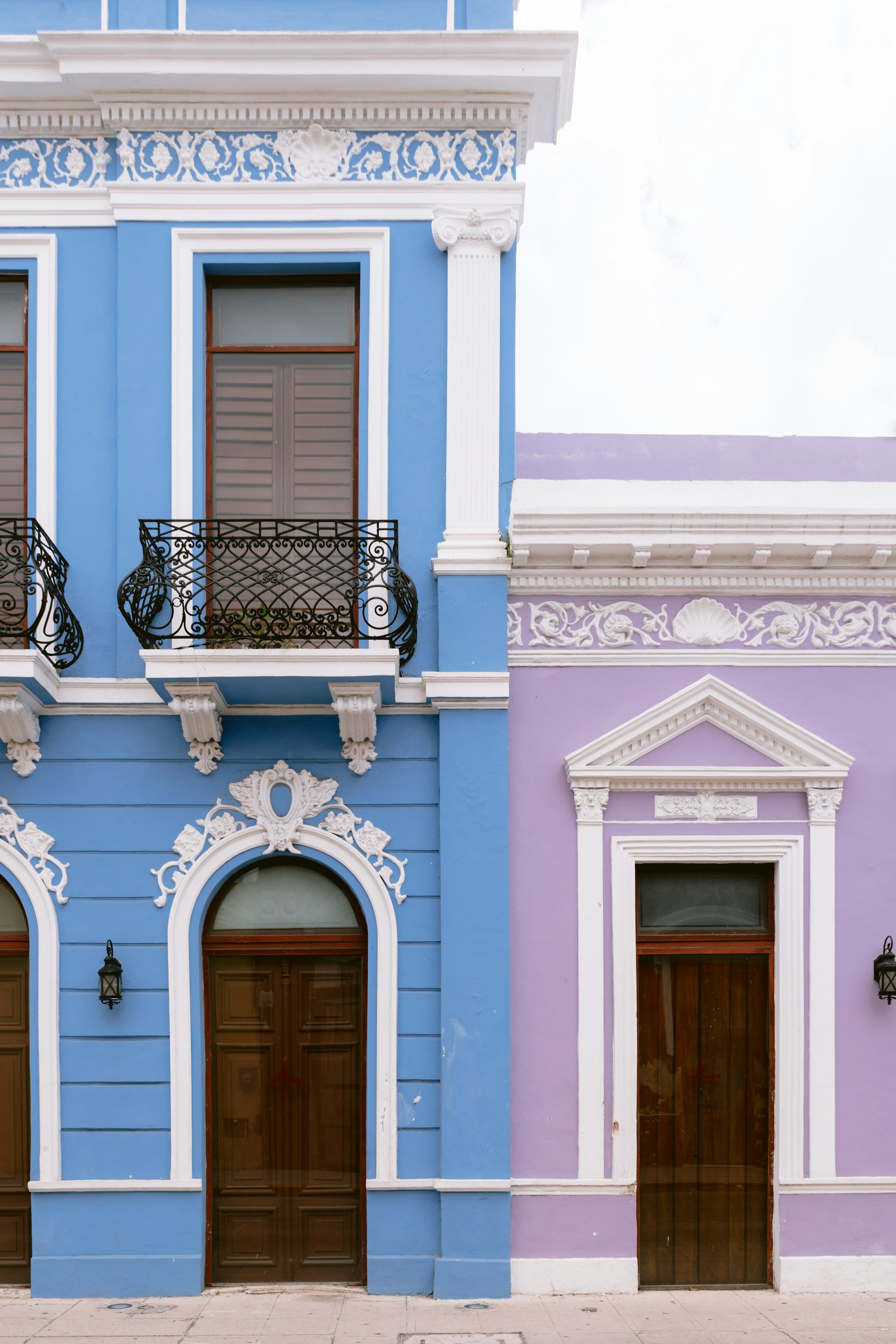
I drove out on a Tuesday morning last August, the sky the color of an old nickel, and found Izamal doing what it does best: nothing in particular. The yellow-painted buildings radiated heat. A dog slept under a fruit cart on Calle 31. And behind a house on the road toward Citilcum, a family was digging a pit in the dirt to bury a pig wrapped in banana leaves. That's what a pib oven is — not a piece of equipment, but a hole in the ground, lined with limestone rocks and fueled by hardwood coals, sealed with earth and faith that the meat will come out right twelve hours later.
1. What a pib actually is (and isn't)
People confuse pib with barbacoa. They're cousins, not twins. Barbacoa wraps meat in maguey leaves; pib uses banana leaves and a recado rojo paste — achiote, bitter orange, black pepper, oregano — that stains everything it touches a furious red-orange. The pit itself gets dug fresh or reused from a permanent stone-lined hole in a backyard, loaded with rocks heated over hardwood for a couple of hours, then sealed shut with sheet metal and dirt.
The word pib is Mayan. It just means "buried" or "underground."
Most travelers encounter pib only through cochinita pibil — the shredded pork that shows up in tacos across the peninsula. But the process is older and broader than that single dish. Whole turkeys go in. Mucbipollos — a kind of massive tamale filled with chicken and wrapped in banana leaf — get buried in November for Hanal Pixán, the Yucatecan Day of the Dead. August, though, is pork season. The lull between storms gives families time to prep without worrying about rain flooding a pit mid-cook.
Pro tip:If someone offers you cochinita made in a regular oven and calls it pibil, it's not. True pib cooking requires earth contact. The smoke flavor is unmistakable — ashy, not liquid-smoke sweet.
2. Getting from Mérida to Izamal without losing your mind
Two options. The autopista (Highway 180D) is faster but dumps you south of town with a confusing last five minutes of unsigned turns. I prefer the libre road through Hoctún — it adds maybe twenty minutes but runs straight into Izamal's center, and you pass through actual towns instead of highway vacuum.
Drive time from Mérida's centro histórico: roughly 70 minutes on the libre, 50 on the autopista, assuming no flooding. In August, assume flooding. Check road conditions the morning of with your hotel front desk or any Mérida taxi driver — they'll know which tramos are underwater before Google Maps catches up.
Colectivos leave from the Noreste bus terminal on Calle 67 between 50 and 52 in Mérida. Departures roughly every 40 minutes. Fare runs about 55 pesos. The bus drops you two blocks from the main plaza, Parque Itzamná, which is where you want to start anyway.
Pro tip:Don't rely on ride-hailing apps for the return trip. Cell signal in Izamal is inconsistent. Arrange your colectivo return time before you wander off, or negotiate a round-trip fare with a Mérida taxi driver — expect 800-1,200 pesos for the whole day.
3. Doña Lupita's backyard on Calle 28
The family I watched bury a pig last year operates out of a house on Calle 28, between 33 and 35, a few blocks north of the Kinich Kakmó pyramid. No sign. No menu. Doña Lupita — I never got a last name — sells cochinita pib by the kilo on weekend mornings, and if you show up on a Friday evening, you can watch the pit get loaded.
She charges 280 pesos per kilo. You bring your own tortillas or buy hers for 15 pesos a stack. The pork comes out at around 6 a.m. Saturday, still in the banana leaf, and she shreds it on a wooden table in the yard while her husband shovels dirt off the pit cover. The fat renders into the recado and creates this sauce that's somewhere between gravy and oil. It soaks into a tortilla in about two seconds.
I made the mistake of wearing a white shirt. The achiote stain never came out.
4. Skip the restaurants around the convent
I know the guidebooks send everyone to the row of restaurants facing the Convento de San Antonio de Padua. Skip them. The cochinita at most of those places comes from a commercial kitchen, not a pit, and it tastes like it — uniform, vaguely sweet, no char. One plate of panuchos at Kinich, the most-recommended spot in town, ran me 185 pesos and tasted like airport food with better lighting.
The exception is the torta stand on the east side of Parque Itzamná — an older guy with a folding table and a cooler. His cochinita tortas cost 45 pesos, and the bread has a crust that shatters. He's there most mornings by 7:30 and gone by 11. No name on the cart. Just look for the yellow umbrella that doesn't match the yellow buildings.
5. August weather: what nobody puts in the food article
Here's the thing about August in the Yucatán that food writers always leave out: it is punishingly hot and intermittently violent with rain. Daytime temperatures hit 36-38°C with humidity that makes your phone screen fog when you step outside. Storms roll in fast, dump water for twenty minutes, then vanish.
Hotel prices in Mérida drop significantly — rooms at mid-range spots in Santiago or Santa Ana neighborhoods go for 900-1,400 pesos a night, compared to 2,000+ in December. Izamal itself is practically empty. You can walk around the Kinich Kakmó pyramid alone, which in January would be unthinkable.
Bring a rain jacket that breathes, not a poncho. Ponchos trap heat and you'll sweat through your clothes underneath. A lightweight shell you can stuff into a daypack works better. And drink water constantly — dehydration sneaks up on you when the air is already wet.
Pro tip: August sits in the official hurricane window (June 1–November 30), but statistically the worst storms hit the Yucatán coast in September and October. August gets more scattered afternoon cells than organized systems. Still, check CONAGUA forecasts daily.

Stay in Mérida
Top-rated hotels near Mérida
Best locations · Verified reviews · Free cancellation
View deals
Expedia →6. The recado rojo argument
Every cook in the Yucatán has an opinion about recado rojo, the achiote-based paste that defines pibil. The commercial version — sold in small brick-red blocks at every market in Mérida — is fine as a shortcut. Most home cooks use it. But the families running backyard pib operations in Izamal tend to grind their own, and the difference is obvious.
Commercial recado leans on vinegar and flour filler. Homemade versions use bitter orange juice (naranja agria), toasted cumin, allspice, and sometimes a roasted habanero or two. The color is deeper. The flavor is earthier.
I'll say something that might get me yelled at: I think the recado matters more than the cooking method. I've had oven-roasted cochinita with excellent homemade recado that beat pit-cooked pork made with the grocery store block. The pit adds smoke and texture, sure. But the paste is the soul of the dish.
Pro tip: If you want to bring recado home, buy it at the Mercado Lucas de Gálvez in Mérida (Calle 56A, between 67 and 69). The spice vendors on the second floor sell fresh-ground recado rojo for about 30 pesos per 200-gram bag. It lasts months in the freezer.
7. The overnight pit timeline
If you're lucky enough to be invited to watch a full pib cook — or if you just show up at Doña Lupita's on a Friday — here's roughly how the timeline works.
Around 3 p.m., the hardwood goes into the pit and the rocks get arranged. By 5 p.m., the fire is raging and the rocks are heating. The pork — usually a whole leg or shoulder, sometimes a butterflied half-pig — gets rubbed with recado and wrapped in banana leaves, then tied with twine. Between 6 and 7 p.m., the coals get raked flat, the wrapped meat goes on top of the hot rocks, and the pit gets covered with sheet metal, then buried under a mound of dirt.
Then everyone goes to bed.
The dig-out happens between 5 and 6 a.m. Fast and unceremonious — the dirt comes off, the metal gets pulled, and the banana leaf bundle emerges black on the outside, steaming. The smell hits you before you see the meat. Smoke, citrus, fat. The leaf gets peeled back and the pork is falling-apart soft, stained deep orange-red from the achiote.
Pro tip:Bring a headlamp if you're watching the morning dig-out. It's still dark at 5 a.m. in August, and backyards in Izamal don't have floodlights.
Stay in Mérida
Top-rated hotels near Mérida
Best locations · Verified reviews · Free cancellation
View deals
Expedia →8. What else to eat while you're standing around waiting
Twelve hours is a long time to stare at a dirt mound.
The marquesitas carts come out in the evening around the main plaza — crepe-like tubes filled with Edam cheese (queso de bola) and whatever else is on hand. 25-35 pesos each. The Edam-and-Nutella combination sounds wrong but works. On Calle 31 near the corner of 30, a woman sells salbutes from a plastic table — fried tortillas topped with turkey, pickled onion, and avocado — for 15 pesos apiece. They're better than anything on the restaurant row.
Don't bother with the ice cream shops near the convent. Overpriced, and the flavors lean toward the safe-for-tourists end of the spectrum. If you want something cold, buy a chamoyada from one of the street vendors near Kinich Kakmó — mango sorbet with chamoy, Tajín, and lime. 30 pesos. Aggressive flavor.
9. Why August, specifically
People ask me why I'd go to the Yucatán in hurricane season. Fair question.
The honest answer is that the pib tradition runs year-round but concentrates in windows — the big one is late October and November for Hanal Pixán, when the whole peninsula is cooking mucbipollos and the tourist infrastructure gears up for Day of the Dead visitors. If you go then, you'll see pib ovens everywhere, but you'll also compete with crowds and higher prices.
August is the gap. The storms keep most travelers away. The heat keeps the rest in Mérida's air-conditioned restaurants. But the families in Izamal's residential blocks are still cooking, still burying pigs in the ground on Friday afternoons. You just have to know where to look, and you have to be willing to sweat.
That Tuesday morning last year, standing in Doña Lupita's yard at 5:30 a.m. while her husband cracked the seal on the pit, the air was already 28°C and thick enough to chew. The banana leaf came up trailing smoke. Nobody else was there — no other tourists, no photographers, no influencers holding phones over the steam. Just the family, the pig, and the smell of twelve hours of slow heat doing its work.
Essential tips
Check CONAGUA (conagua.gob.mx) the morning of your trip for rain alerts on the Mérida-Izamal corridor. The libre road through Hoctún floods at a low spot about 30 km out — if there's been heavy overnight rain, take the autopista instead.
Izamal runs on cash. There's one ATM near the main plaza and it's unreliable. Pull pesos in Mérida before you leave — budget 500-800 pesos for a full day of eating and colectivo fares.
Mosquitoes in August are relentless, especially near the pib sites where standing water collects in backyards. Bring DEET-based repellent, not the natural citronella stuff. Apply it before you leave Mérida — you won't find a pharmacy in Izamal open early enough.
Achiote stains are permanent on light fabric. Wear a dark shirt if you're anywhere near a pib oven being opened or shredded pork being served. This is not a suggestion — it's a warning from personal experience.
Ready to visit Mérida?
Book your hotel, flights, and activities through our Expedia-powered search.


