In This Guide
By two in the afternoon, García Ginerés empties out like someone pulled a drain plug. The lawyers leave their offices on Calle 27-A, the pharmacies go quiet, and the only sound on Avenida Colón is a ceiling fan working overtime behind a half-open door. This is when the colonia gets interesting — when the lunch rush at the sit-down restaurants has cleared and the loncherías that actually feed the neighborhood start serving the people who live here.
I've spent more midday hours in García Ginerés than I care to admit, mostly because I kept finding reasons not to leave. A friend dragged me to one lonchería three years ago during a June heat that made the sidewalk shimmer, and I've been rearranging my Mérida itineraries around this neighborhood's lunch hours ever since. The food is the reason, but the architecture — low-slung midcentury houses with iron screens and terrazzo floors visible through open front doors — doesn't hurt.
1. What García Ginerés actually is (and isn't)
It's a residential colonia about a ten-minute drive west of Mérida's Centro Histórico, laid out in the 1950s and '60s when the city's money started moving away from the old casco. The houses here are midcentury modernist — flat roofs, jalousie windows, carports instead of zagúanes — and most of them are still private homes, not boutique hotels.
That matters. García Ginerés hasn't been polished for tourists the way Santa Lucía or Paseo de Montejo have, and there's no reason to come here for a walking tour or a museum. You come here to eat lunch at the same places the dental hygienists and notaries eat lunch, and then maybe you walk it off past houses that look like they belong in a Barragán monograph, if Barragán had worked in limestone and tropical humidity.
Skip the chain restaurants along Prolongación Montejo on the colonia's northern edge. They're the same Applebee's-adjacent franchises you'd find in any Mexican city of this size, and they have nothing to do with why this neighborhood is worth your afternoon.
Pro tip: The colonia is walkable but shade is scarce. Stick to the east side of north-south streets after 1 p.m. — the buildings throw narrow shadows that make a difference.
2. Lonchería La Fe and the cochinita debate
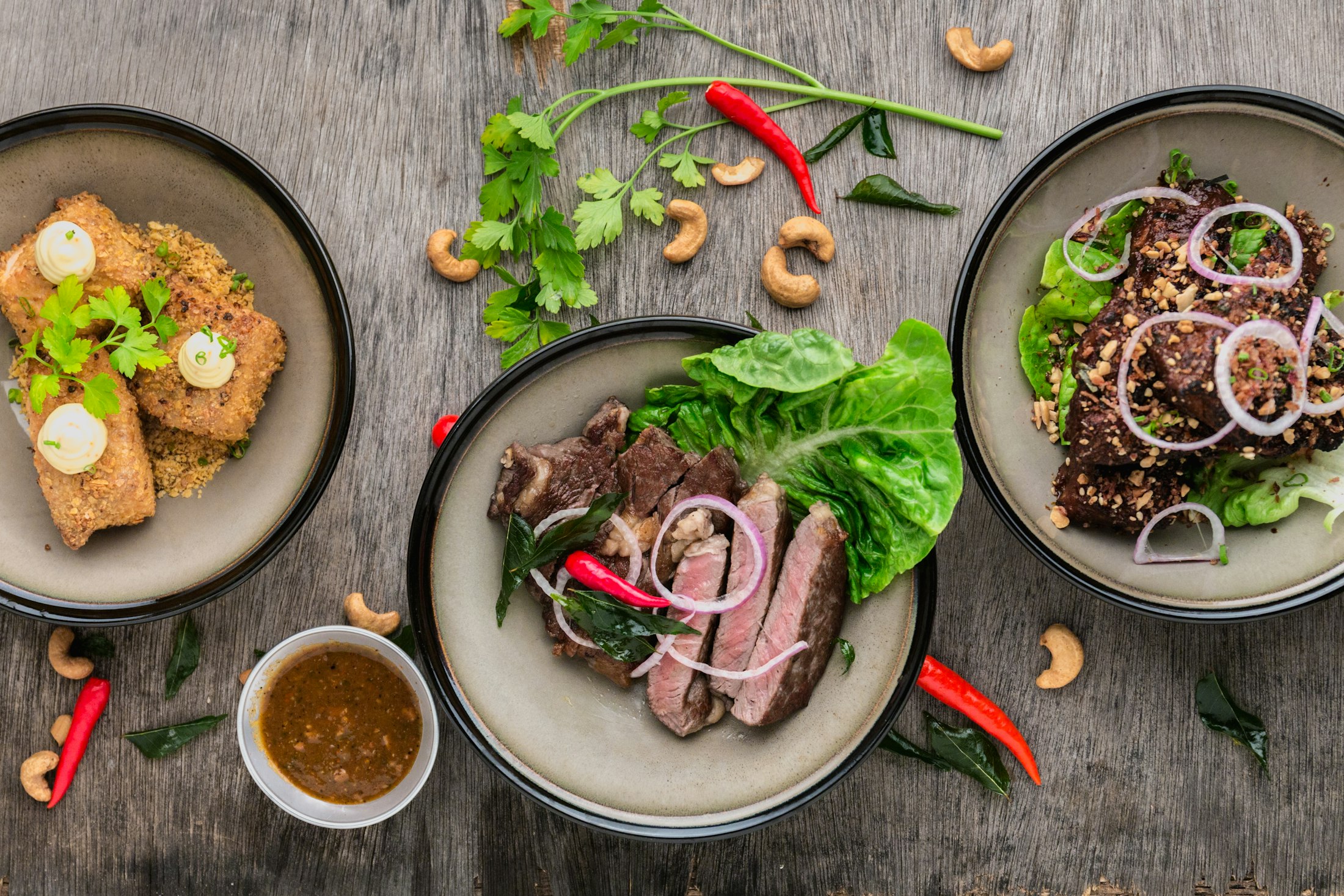
Lonchería La Fe on Calle 27-A between Calles 20 and 22 is the kind of place where the menu is a whiteboard and the cochinita pibil comes on a plastic plate. It opens early — around 7 a.m. — and runs until the food is gone, which on weekdays means roughly 2 p.m.
The cochinita here is darker and more acidic than what you'll get at the famous spots in the centro, and I think it's better. I know that's a fighting statement in a city that takes its cochinita personally, but the version at La Fe has a char and a bitterness from the achiote that the tourist-facing places smooth out. The tortillas are made in-house and come in a plastic bag to keep them hot. Order a torta de cochinita (around 35–45 pesos) and a glass of horchata, sit at the counter, and watch the traffic on 27-A crawl past.
They also do a good relleno negro on certain days — ask when you arrive.
3. The panuchos at Doña María, and the ones you should ignore
There's a panucho stand run by a woman everyone calls Doña María near the corner of Calle 25 and Calle 18, operating out of what is essentially a garage with four plastic tables. She fries the tortillas to order. That crunch — the kind where the shell fractures cleanly instead of bending — is the whole point.
Panuchos de pavo with pickled onion and habanero. That's what you want.
I've seen food blogs recommend a place two blocks south that serves panuchos with pulled pork and chipotle mayo. It's fine. It's also the Yucatecan equivalent of putting ranch dressing on pizza — technically edible, spiritually wrong. Doña María's version is closer to what this dish is supposed to be: black bean paste inside the tortilla, shredded turkey on top, a crown of cebolla morada so pink it looks fake. Around 15 pesos each last time I checked. She's usually there by noon and done by 3.
Pro tip: Bring cash. None of the small loncherías in this colonia take cards, and the nearest OXXO ATM is on Avenida Colón near Calle 20.
4. Siesta hour and the architecture between meals
After eating, you walk. Not because you need exercise, but because the streets between Calle 18 and Calle 25 are a catalog of 1950s tropical modernism that nobody curates or protects. Houses with butterfly roofs. Perforated concrete screens — celosías — casting lattice shadows on terrazzo porches. Garden walls painted the same turquoise or burnt orange they were painted sixty years ago.
Most of it is anonymous. No architect's plaque, no heritage designation. Some of these houses have been subdivided into offices or clinics; others look exactly as they did when a henequén family built them. The best stretch, to my eye, runs along Calle 23 between Avenida Colón and Calle 16 — five or six blocks of houses that wouldn't look out of place in a Julius Shulman photograph, except for the bougainvillea eating the carport.
By 2:30 p.m. you'll have the sidewalks almost entirely to yourself. A dog asleep on warm concrete. The whir of a window unit somewhere above you.
Stay in Mérida
Top-rated hotels near Mérida
Best locations · Verified reviews · Free cancellation
View deals
Expedia →5. Marquesitas at dusk, if you time it right
García Ginerés has a marquesita cart that sets up most evenings on Avenida Colón near Calle 22, usually around 6 p.m. Marquesitas — those rolled, crispy crêpes filled with Edam cheese and whatever sweet topping you want — are everywhere in Mérida, but this cart does them in the old style, with a hand-cranked iron and bola de queso shaved fresh.
Get one with Nutella and queso de bola. 30 pesos last I paid. The cheese melts against the warm crêpe and goes salty against the chocolate, and for about ninety seconds you'll be unreasonably happy standing on a sidewalk while the streetlights come on.
The cart doesn't have a name. It's a man, an iron, a folding table, and a cooler. If he's not there by 6:30, he's not coming.
Pro tip: Marquesitas go stale fast. Eat yours within three minutes of receiving it or the crêpe turns chewy and sad.
Stay in Mérida
Top-rated hotels near Mérida
Best locations · Verified reviews · Free cancellation
View deals
Expedia →6. Why this colonia works better than the centro at lunchtime
The centro has better-known food. It also has tour groups, cobblestones that destroy sandals, and restaurants where the cochinita costs three times what it costs at La Fe so they can pay rent on Plaza Grande. García Ginerés doesn't compete with any of that. It just feeds its own people, cheaply and well, in rooms with fluorescent lighting and no Instagram presence.
Mérida's best casual lunch isn't in the centro. It's in a residential neighborhood where the most dramatic thing that happens all day is someone double-parking a Tsuru outside the tortillería.
Worth the cab ride.
Essential tips
A taxi from Centro Histórico to García Ginerés costs 40–60 pesos on the meter. Agree on the price before getting in, or use InDriver or Uber, which both work reliably in Mérida.
Most loncherías in García Ginerés open by 7–8 a.m. and close when food runs out, typically between 1:30 and 3 p.m. Don't arrive after 2 expecting a full menu.
Carry small bills — 20s and 50s. A lonchería selling 35-peso tortas often can't break a 500-peso note, and you'll both stand there embarrassed.
Habanero salsa in the Yucatán is not decorative. A full spoonful will ruin your next thirty minutes. Start with the tip of a fork and adjust from there.
Ready to visit Mérida?
Book your hotel, flights, and activities through our Expedia-powered search.