In This Guide
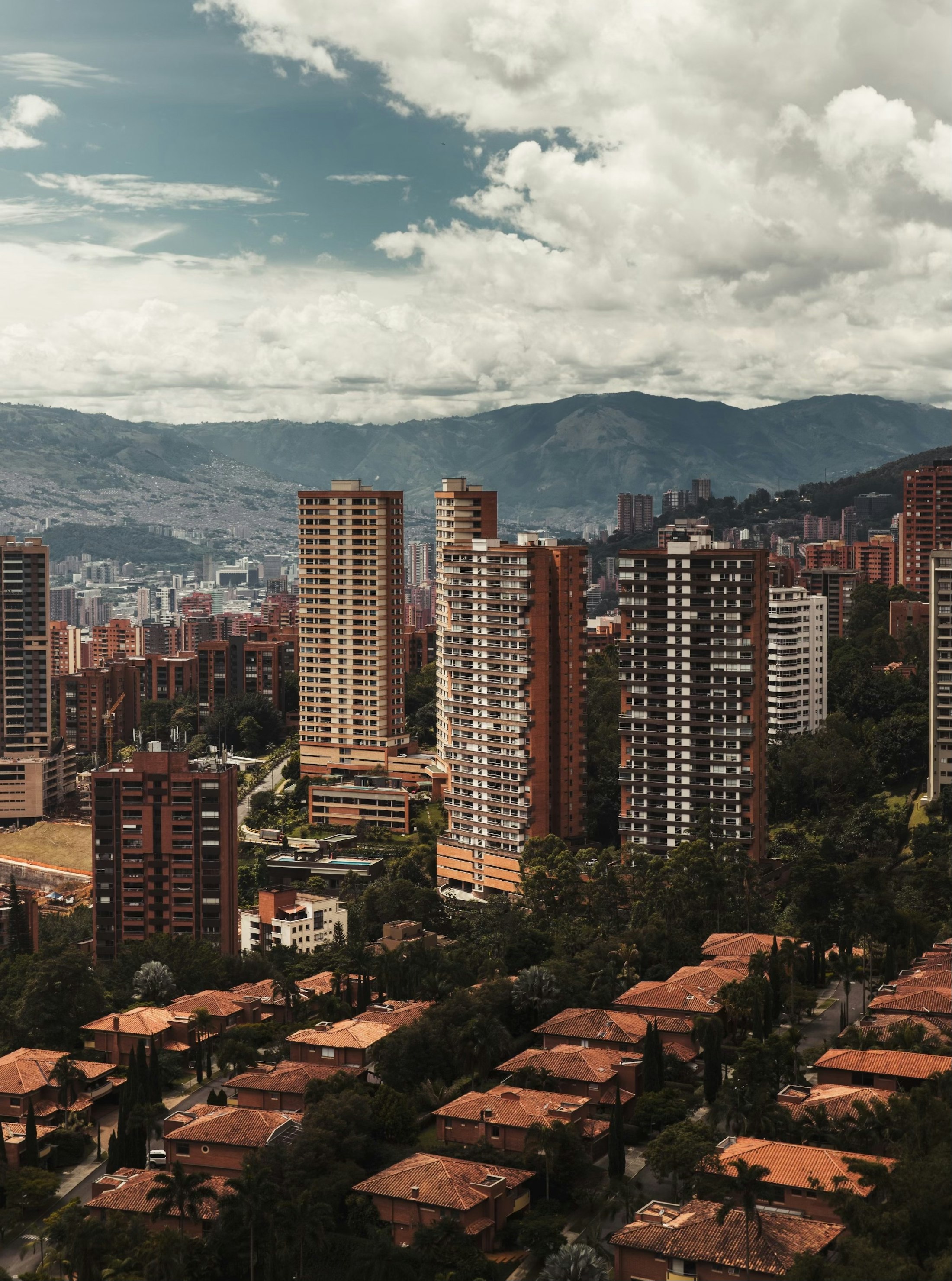
The morning I rode the 099 bus up past the last metrocable station into Comuna 2 – Santa Cruz, the city below had already disappeared. Medellín does this thing after heavy rain where the clouds don't lift — they drop. They settle into the valley like bathwater and everything above 2,100 meters goes quiet. The farms up here sit right at that fog line, and when the rain stops, the terraced plots of cilantro and blackberry steam like they're breathing.
Most guides to Medellín spend all their ink on Comuna 13's graffiti or El Poblado's brunch spots. That's fine. But if you want to understand how this city actually feeds itself — and what happens when concrete gives way to red clay — you come up here on a wet Tuesday morning with mud on your boots and no particular agenda.
1. Getting up there without losing half your day
Drive time from El Poblado to the upper reaches of Comuna 2 is about 45 minutes in light traffic, closer to 70 if you leave after 7:30 a.m. The roads narrow past Hospital station and the last reliable stretch of pavement ends around the Parque de la Memoria. After that you're on packed dirt that turns slick after rain.
A taxi from Centro will run you about 25,000–30,000 COP one way. Uber works but drivers sometimes cancel when they see the pin — they know those roads. The 099 bus from Caribe station is 2,950 COP and takes roughly 40 minutes, standing room only before 8 a.m.
Weather matters here more than anywhere else in the city. Morning fog usually burns off by 10:30 or 11, but the afternoon rains roll in around 2 p.m. almost every day from April through November. Your window is narrow. Pack a rain shell, not an umbrella — the wind up here makes umbrellas useless.
Pro tip:Ask the 099 bus driver for "la última parada antes de la finca" — the last stop before the farmland. It saves you a 20-minute uphill walk from the official final stop.
2. Doña Gloria's blackberry rows and the economics of fog
Gloria Sepúlveda has been growing mora — Andean blackberry — on a steep half-hectare plot above Calle 107 for nineteen years. She sells most of it to juice vendors in Minorista market downtown, hauling 40-kilo sacks on the same bus I rode up. She'll let visitors walk the rows if you ask politely and aren't in a group larger than four.
The fog is the point. These blackberry plants need cool moisture, and at 2,200 meters they get it without irrigation. Gloria told me the best fruit comes in the weeks right after the heavy rains — late October, early November — when the bushes are fat with water and the sugar concentrates in cooler nights. A kilo of her mora sells for about 4,000 COP at the farm gate. In Minorista, it goes for 7,000.
Ankles dyed purple, shoes thrown away at the airport. Don't wear white sneakers.
3. The cilantro terraces nobody photographs
Three blocks east of the Parque de la Memoria, a series of hand-cut terraces run down the hillside behind a blue concrete house with no number. The family — I only ever got a first name, Don Hernán — grows cilantro, cebolla larga, and a few rows of lettuce in soil so red it stains your hands.
This isn't agritourism. There's no sign, no Instagram handle, no entrance fee. You show up, you say buenos días, and if Hernán's in a talking mood he'll walk you through the plots. He waters by hand from a gravity-fed hose connected to a rainwater tank uphill. The whole system cost him, he said, about 200,000 COP to build.
Skip the "urban farm tours" sold by hostels in El Poblado for 120,000 COP per person. They bus you to a manicured demonstration garden in San Cristóbal that feels like a science fair project. The real growing happens in places like Hernán's terrace, unglamorous and productive.
Pro tip:Bring a small gift — a bag of panela or a pound of rice. It's not expected, but it's how neighbors show up here, and you're a guest on someone's land.

Stay in Medellín
Top-rated hotels near Medellín
Best locations · Verified reviews · Free cancellation
View deals
Expedia →4. Lunch at the tienda with no menu
About 200 meters past the last bus stop, on the left side going uphill, there's a tienda with a corrugated roof and three plastic tables. The woman who runs it — everyone calls her La Mona — cooks a set lunch for workers and bus drivers. Soup, rice, beans, a piece of chicken or pork, and juice. 12,000 COP.
You don't choose. She tells you what's ready. Last time I was there in March she handed me a bowl of sancocho so thick the spoon stood up in it, and a glass of lulo juice that tasted like someone had carbonated a mango and added lime. No signage. No hours posted. She's usually serving by noon and done by 2.
Most food blogs will tell you the best sancocho in Medellín is at Mondongos in Junín. I disagree. Mondongos is fine — competent, consistent, air-conditioned. But sancocho is supposed to be a weather dish, eaten when it's damp and cool, and eating it in a fluorescent-lit restaurant in El Centro misses the entire point.
5. What the fog line sounds like
When the clouds are sitting right on the ridge, the city noise cuts out. No reggaeton from car speakers, no motorcycle engines echoing off concrete. You hear chickens, water running through PVC pipe, and the low conversation of people working in their gardens. Occasionally the sharp crack of a machete on sugarcane.
Stand at the edge of Hernán's terrace on a foggy morning and you can't see 50 meters. Then a hole opens in the cloud and there's the whole valley — stadiums, high-rises, the green stripe of the Medellín River — like someone pulled a curtain back for three seconds before closing it again.
This is the part you can't get from a cable car. The Metrocable gives you the panoramic view, sure. But up here you're inside the weather, not above it.
Pro tip:If you want the fog, arrive before 9:30 a.m. By late morning, the cloud layer breaks up and you're just standing on a hill with a nice view. Nice, but not the same.
Stay in Medellín
Top-rated hotels near Medellín
Best locations · Verified reviews · Free cancellation
View deals
Expedia →6. Safety, honestly
I'm not going to pretend this is a stroll through a botanical garden. Upper Comuna 2 is a working neighborhood that has dealt with decades of displacement, gang territory disputes, and underinvestment. It's calmer now than it was ten years ago, but you should go with awareness.
Don't bring expensive camera gear hanging around your neck. Don't wander after dark. Stick to daylight hours, ideally between 9 a.m. and 3 p.m. Talk to people — greeting your neighbors on the path is both polite and practical, because people notice when someone new is walking around and a friendly "buenas" goes a long way.
I've been up three times and never had a problem. But I also wasn't carrying a drone or walking around at sunset trying to get content.
7. When to go and when to stay in the valley
Best months: late October through mid-December, and again in April. The rains are frequent but short, the farms are productive, and the fog is reliable in the mornings.
Worst time: January and February. Dry season means the terraces are brown, the fog is rare, and there's less to see. The families are still there, but the landscape loses its character.
Mondays are quiet — some families go to market. Tuesdays and Wednesdays are the best days to visit. Saturdays bring more foot traffic from Medellín residents visiting family, which can make the bus crowded and the roads busier.
Sundays everything slows to a crawl.
Pro tip:Check Medellín's SIATA weather radar (siata.gov.co) the morning of your visit. It's updated every ten minutes and shows rain cells moving across the valley in real time. More useful than any forecast app.
Essential tips
Bring a packable rain shell, not a poncho and not an umbrella. Wind at 2,200 meters shreds both. A $30 shell from Decathlon on Calle 10 in El Poblado works fine.
Wear shoes with actual tread. The clay paths above Parque de la Memoria turn into skating rinks after rain. I watched a guy in Vans slide six feet downhill before grabbing a fence post.
Carry cash in small bills — 5,000 and 10,000 COP notes. Nobody up here takes cards, and breaking a 50,000 note at a tienda is a social crime.
Learn 'con permiso' and 'buenos días.' You're walking through people's front yards and past their property. Basic greetings aren't optional — they're the difference between welcome and suspicion.
Ready to visit Medellín?
Book your hotel, flights, and activities through our Expedia-powered search.