In This Guide
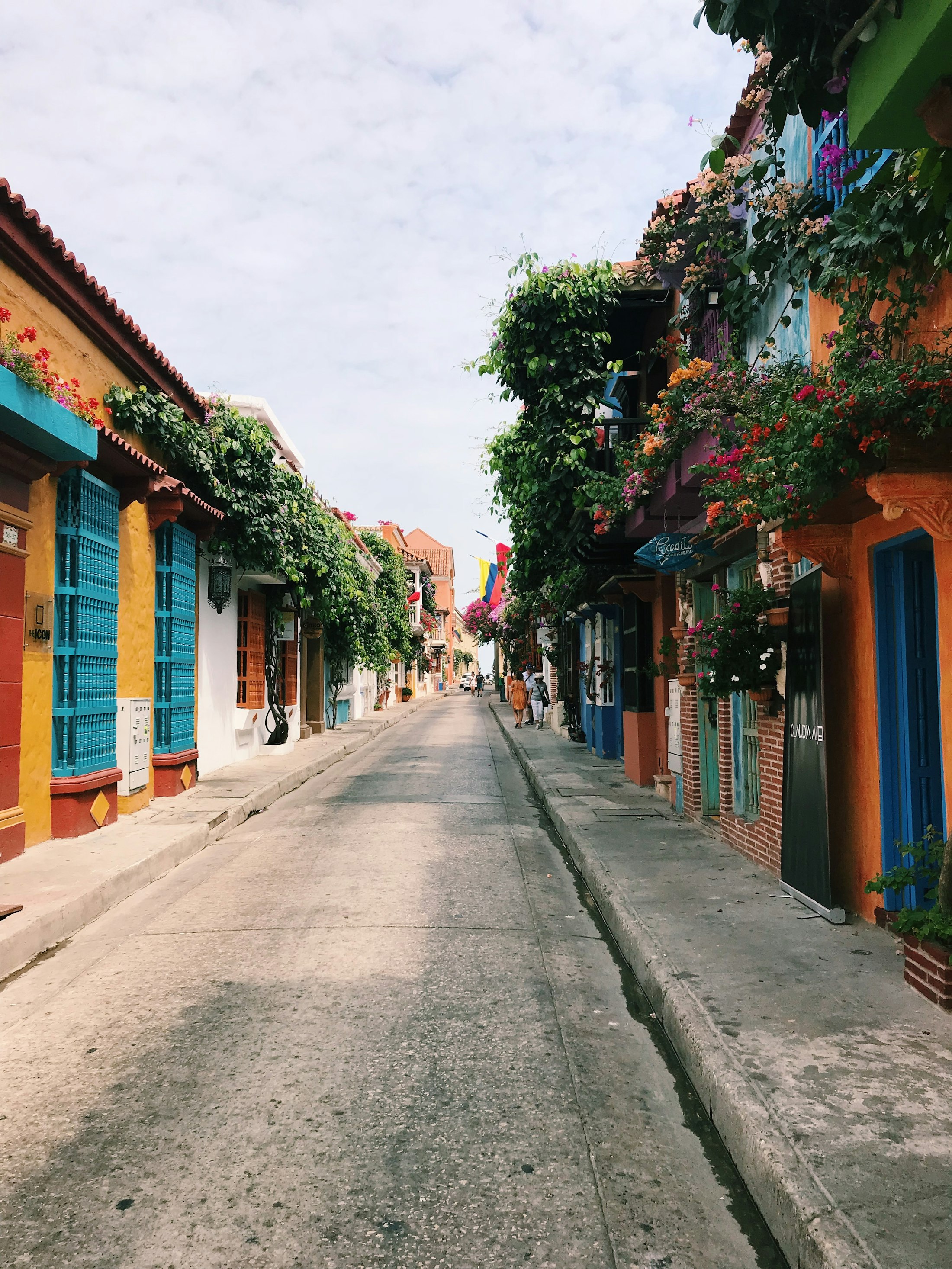
The rain came down like someone turned a bucket over Sabaneta's Parque Principal, and every person on the street just... stopped walking. Nobody ran. The abuelas under the church awning didn't flinch. A guy selling obleas kept his station. I ducked into a tienda on Calle 75 Sur and ordered a Club Colombia while the gutters turned into rivers, and by the time I finished the bottle — maybe twenty minutes — the sun was back out and the concrete was already steaming.
That's Sabaneta. Medellín's southernmost metro stop, about forty minutes from El Poblado by train or twenty by car if traffic cooperates (it usually doesn't on the Carrera 43A corridor after 4 p.m.). People come here on pilgrimage to the Santuario de la Virgen María Auxiliadora, but a lot of us come for the cholados, the fondas, and the fact that nobody's trying to sell you an ayahuasca retreat.
1. The church is the anchor, not the attraction
I'll be honest: the Santuario de la Virgen María Auxiliadora is worth seeing once, for about fifteen minutes. The interior is dim and cool, which is reason enough after the walk from the metro. But the real draw is the plaza it sits on and the gravity it creates — every Monday night, thousands of devotees flood Sabaneta for a novena that's been running for decades, and the surrounding streets turn into an open-air food market.
Skip Sunday midday Mass unless you're genuinely there to worship. The crowds are dense, parking is a disaster, and you'll spend more time in line than inside. Monday evenings, around 6 p.m., are when the town actually breathes.
The park itself has been renovated recently. New benches, cleaner paths, decent lighting. Nothing dramatic, just functional. Families eating ice cream, teenagers on their phones, retirees arguing about fútbol — the kind of scene that doesn't need a filter.
Pro tip:The metro station is called Sabaneta (Line A, southern terminus). It's a 7-minute walk east to the park. Don't bother with a taxi from the station — the one-ways will loop you around longer than your own legs.
2. Cholados on Calle de la Feria, and why half the internet is wrong about them
A cholado is shaved ice loaded with tropical fruit, condensed milk, fruit syrup, and sometimes a scoop of ice cream. It is not a smoothie. It is not a raspado. I've read a dozen blogs calling it "Colombia's answer to a snow cone," and y'all, that's like calling ramen "Japan's answer to Cup Noodles."
The strip everyone talks about is the Calle de la Feria, a pedestrian stretch just off the park where vendors line up with their carts. Most cholados run 8,000–12,000 COP depending on size and toppings. I like the ones from the cart closest to the church side, run by a woman who cuts the lulo and maracuyá to order. Ask for extra coco rallado.
Here's my contrarian take: the cholados in Sabaneta are good, but the ones in Jamundí, Valle del Cauca, are better. Sabaneta's version leans sweeter, heavier on the condensed milk. Jamundí's are sharper, more fruit-forward. But unless you're flying to Cali, Sabaneta's cholados are the best you'll get in the Aburrá Valley, and they're worth the trip south.
3. Fonda dancing after dark
Sabaneta's fonda culture is the reason I keep coming back. Fondas are paisa-style bars — think guadua bamboo, string lights, vallenato and old-school salsa on the speakers, and aguardiente served in those tiny plastic cups that cost 4,000 COP a shot.
The most famous is Son de Luz Fonda Bar on Carrera 45A, which gets packed on Friday and Saturday nights after 9 p.m. It's loud. The dance floor is small. People who actually know how to dance salsa will grab you by the hand and expect you to keep up. I made the mistake of wearing hiking boots there last February and spent most of the night trying not to step on my partner's feet.
There are newer spots opening along the same strip that feel more polished — cocktail menus, DJ sets, cover charges around 20,000 COP. They're fine. But a fonda works because it's rough around the edges. The plastic chairs, the condensation on the Pilsen bottles, the uncle at the next table singing every word to a Diomedes Díaz track.
Most fondas don't really get going until 10 p.m. and run past 2 a.m. on weekends.
Pro tip: Eat before you go out. Fonda food menus are limited and overpriced for what you get. Grab a bandeja paisa or a chorizo plate at one of the restaurants on the park first.
Stay in Medellín
Top-rated hotels near Medellín
Best locations · Verified reviews · Free cancellation
View deals
Expedia →4. Where to eat when you're not eating cholados
Mondongo's has a location in Sabaneta on Calle 77 Sur, and the mondongo soup is exactly what you want after a rainy afternoon — tripe in a thick broth with rice, avocado, and arepa on the side. A bowl runs about 32,000 COP. It's a chain, sure, but the soup is honest.
For something smaller, the empanada carts around the park sell fried corn empanadas for 2,000–3,000 COP each. They come with ají on the side. No seats, no menu, no pretense.
Avoid the sushi place on the main drag. I won't name it because it might be under new management by now, but last time I checked, it was the kind of restaurant that puts cream cheese in everything and charges El Poblado prices. Sabaneta doesn't need fusion — it needs more places like the arepas joint two doors down from the church, where a stuffed arepa de chócolo with quesito costs 7,000 COP and tastes like someone's grandmother made it.
5. Weather, timing, and getting out
Sabaneta sits at roughly the same elevation as the rest of the Aburrá Valley — about 1,600 meters — so expect the same weather patterns as Medellín proper. Afternoon rain is near-guaranteed from March through May and again September through November. Mornings are usually clear.
From El Poblado, the Metro ride south takes about 35–40 minutes. From Laureles, add 10 minutes for the transfer at San Antonio. Driving is faster in theory but the southern highway bottlenecks around Envigado. If you're going on a Monday evening for the novena, take the Metro — parking within six blocks of the church will be gone by 5 p.m. The town is walkable once you arrive. Everything worth doing sits within a 10-minute radius of the park.
Sabaneta after dark feels safe — families are out, the streets are lit, police presence is visible. But use the same common sense you'd use anywhere in Medellín: don't flash expensive phones on quiet side streets, keep your bag in front of you on the Metro, and grab a registered taxi or InDrive for the ride home if it's past midnight.
Pro tip: Download the Medellín Metro app (Cívica Medellín) before you go. You can check real-time train frequency, which matters on weeknights when trains run less often after 10 p.m.
Stay in Medellín
Top-rated hotels near Medellín
Best locations · Verified reviews · Free cancellation
View deals
Expedia →Essential tips
Carry a packable rain jacket, not an umbrella. Sabaneta's afternoon downpours are heavy but short, and you'll want both hands free for cholados and empanadas.
Most street vendors and smaller fondas are cash-only. ATMs near the park exist but charge withdrawal fees of 15,000–18,000 COP. Pull cash in Medellín before heading south.
The Sabaneta Metro station is the end of Line A. Trains back to Medellín run until around 11 p.m. on weeknights, 12 a.m. on Fridays and Saturdays. Miss the last one and you're looking at a 25,000–35,000 COP taxi ride to El Poblado.
Wear shoes you can dance in if you're going to a fonda. Hiking sandals and boots will betray you on a salsa floor.
Ready to visit Medellín?
Book your hotel, flights, and activities through our Expedia-powered search.