In This Guide
- 1.The chess arcades nobody photographs
- 2.Caldo de res at 5 a.m. is non-negotiable
- 3.Why you should walk Calle 10 in the rain
- 4.Tejo is better than the guidebooks make it sound
- 5.The Arví Park cable car, but only on weekdays
- 6.The 6 a.m. aguapanela vendors in Buenos Aires barrio
- 7.A sentence about drive times, because someone should say it
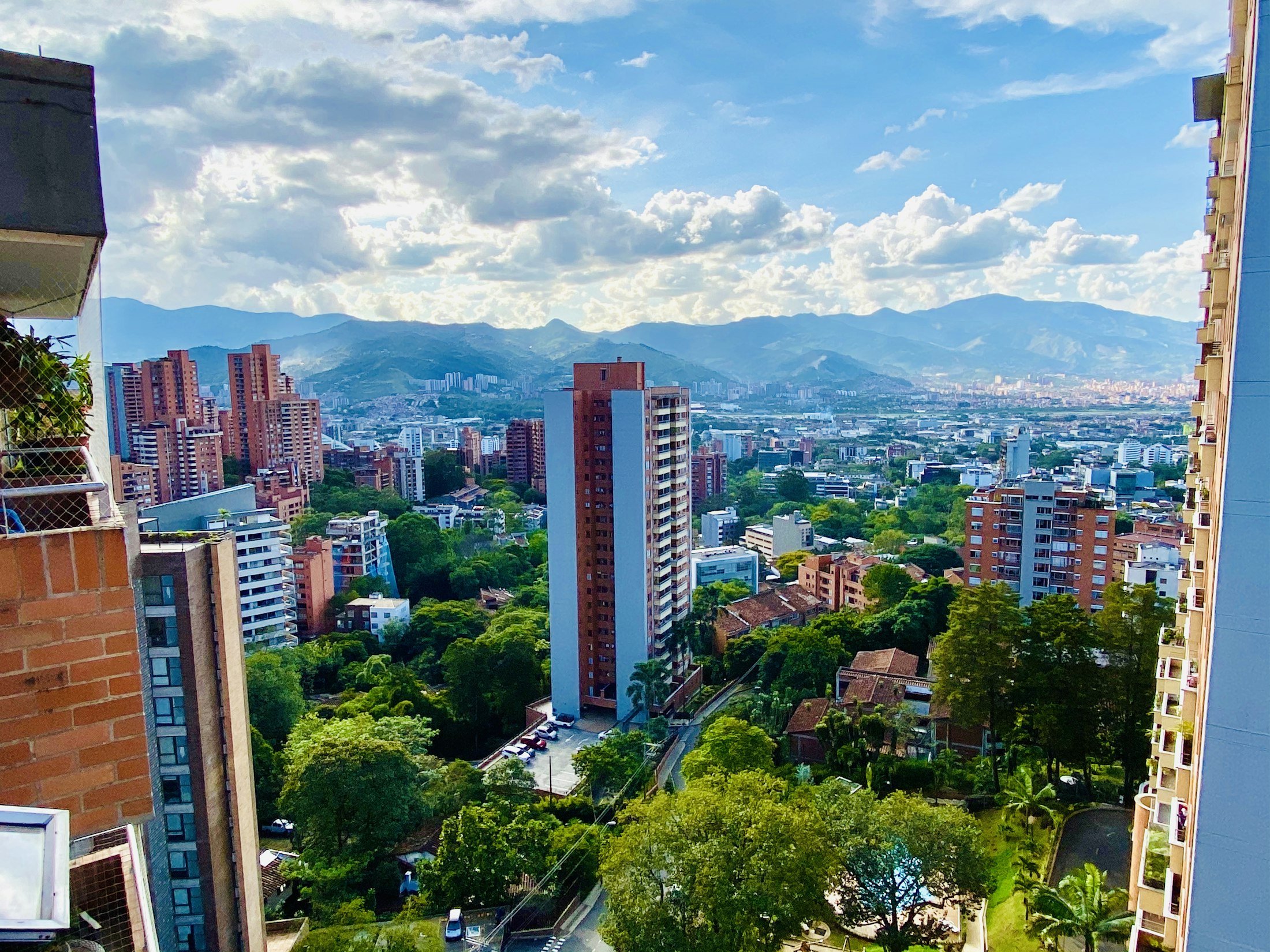
The rain started at 2:14 p.m. on a Tuesday in Laureles, which is to say it started exactly when it always starts. Medellín's afternoon downpours run on a schedule tighter than the metro, and if you're not under a roof by two, you're getting soaked. I ducked into a chess arcade on Calle 33 with no plan and no umbrella, sat down across from a retired bus driver named Hernán, and lost three games in forty minutes. The coffee cost 2,500 pesos. The humiliation was free.
Most people come to Medellín for the weather — "City of Eternal Spring" and all that — but the weather they're picturing doesn't exist. It's warm mornings, wet afternoons, and cool nights. That cycle is the engine behind half the rituals in this piece: the dawn food stalls that vanish by 9 a.m., the covered arcades that fill up when the sky cracks open, the bars that don't bother opening until the rain stops. Plan around the rain and you'll find a different city than the one in the brochure.
1. The chess arcades nobody photographs
Along Carrera 70 and in the side streets branching off Parque de Laureles, there are a handful of covered arcades — tile-floored, fluorescent-lit — where men play chess on folding tables every afternoon. There's no entry fee, no sign, no Instagram handle. You walk in, sit down, and someone slides a board toward you.
The one I kept returning to is on Calle 33 between Carreras 78 and 79, a long corridor with maybe twelve tables, a ceiling fan that barely moves, and a woman selling empanadas from a cart near the entrance. Games run from about 1 p.m. until 6 p.m. most days, peaking during the heaviest rain. The regulars play blitz — five minutes per side — and they will destroy you without looking up from their coffee.
Skip the Parque Berrío chess tables in El Centro. Too many onlookers, too many hustlers running the same opening trap. The Laureles arcades are where people actually play.
Pro tip:Bring small bills. Nobody at these tables breaks a 50,000-peso note, and you'll want cash for empanadas (1,800 pesos each) and tinto.
2. Caldo de res at 5 a.m. is non-negotiable
The Plaza de Mercado del Doce de Octubre opens before dawn. By 5:30 a.m., the soup stalls along the eastern wall are already ladling caldo de res — a beef bone broth thick with potato, yuca, plantain, and corn on the cob — into deep bowls. A bowl runs about 12,000 to 15,000 pesos depending on the stall and how much meat they throw in.
I've seen travel guides recommend the Minorista market downtown for "authentic food experiences," and I think they're wrong. Minorista is enormous and worth seeing, sure, but the food stalls at Doce de Octubre are calmer, cheaper, and the broth is better. The woman at the third stall from the left entrance — no name on the stall, just a handwritten sign that says CALDOS — served me a bowl with a marrow bone so large it barely fit. I ate there three mornings straight.
The market thins out fast. By 9 a.m. the broth pots are empty and the good fruit vendors have sold through their sapote and lulo.
Pro tip:Take the metro to Caribe station, then grab a bus heading west on Calle 104. The ride is about fifteen minutes. Don't try to drive — parking near the plaza is a nightmare before 7 a.m.
3. Why you should walk Calle 10 in the rain
Most of Medellín's walkable streets empty out after 2 p.m. when the rain hits. Calle 10 in El Poblado is the exception. The corridor between Carrera 43A and the Parque El Poblado stays active because the trees form a partial canopy and the shop awnings overlap enough that you can move between doorways without drowning.
The rain changes the smell of the street. The concrete and the mango trees and the arepas grilling inside corner shops all release something when the water hits, and for about twenty minutes the whole block smells like wet stone and corn flour. I skipped this walk my first trip because I assumed rain meant stay indoors. Wrong.
There's a small café at the corner of Calle 10 and Carrera 43B called Urbania that does a pourover with beans from a Jardín farm. 7,000 pesos. Sit at the counter by the window and watch the gutters overflow.
4. Tejo is better than the guidebooks make it sound
Every guide describes tejo — the Colombian sport where you throw a metal puck at a clay pit packed with gunpowder packets — as "quirky" or "fun." That undersells it. It's reckless and genuinely thrilling when the mechas explode. The first time a packet detonated under my throw I flinched so hard I knocked over a beer.
The place to go is Tejo La 70, on Carrera 70 near Calle 44B. It costs around 40,000 pesos per hour for a lane, and beers (Club Colombia or Pilsen) run about 5,000 pesos each. Weekday evenings are best — Friday and Saturday nights get crowded and the wait for a lane can stretch past an hour.
Do not wear sandals. The clay dust gets everywhere and the metal tejos are heavy enough to break a toe if someone's aim drifts.
Pro tip:Ask the attendant to show you the proper throwing stance before your first round. There's a wrist flick that most beginners miss, and it's the difference between a satisfying explosion and a dull thud.
5. The Arví Park cable car, but only on weekdays
The metrocable from Acevedo station to Santo Domingo, then the connecting cable east to Parque Arví — the full trip takes about 45 minutes one way and costs roughly 6,200 pesos total. On a clear weekday morning, the ride over the green ridges northeast of the valley is one of the best things you can do in the city. On a weekend, it's a slow-moving line of families and tour groups and you'll spend more time waiting than riding.
Arví itself is a protected forest with marked trails, some muddy, some gravel. The loop trail near the main entrance runs about 3 kilometers and takes an hour at a comfortable pace. Wear shoes with grip. Last time I was there in March, the trail near the orchid section was slick enough that I watched two people go down in the same spot.
There's a farmers' market at the park entrance on Sundays, but the crowds cancel out the appeal. Tuesday or Wednesday morning. That's when you go.
Pro tip:Bring a rain jacket even if the morning looks clear. The park sits higher than the city and catches weather earlier. I've seen sunshine in Laureles and full rain at Arví on the same afternoon.
Stay in Medellín
Top-rated hotels near Medellín
Best locations · Verified reviews · Free cancellation
View deals
Expedia →6. The 6 a.m. aguapanela vendors in Buenos Aires barrio
Aguapanela — sugarcane water served hot with a squeeze of lime — is the simplest drink in Colombia and the one I think about most when I'm home. In the Buenos Aires neighborhood, east of El Centro, a few street vendors set up folding tables along Carrera 29 near the corner of Calle 49 before sunrise. A cup costs 1,500 pesos. Some of them stir in a chunk of fresh cheese that melts into the hot liquid, which sounds strange until you try it.
The barrio wakes up early. By 6:15 the sidewalks are full of people heading to work, and the aguapanela tables function like a drive-through without the cars. Nobody lingers. You drink standing up, hand back the cup, and keep walking.
Buenos Aires has a reputation as rough, and ten years ago it was. Fine during daylight hours now, though I wouldn't wander the backstreets alone after dark. Stick to the main carreras in the early morning and you'll have no problems.
Pro tip:Ask for "aguapanela con queso" — that's the version with the cheese. Not every vendor offers it, but the ones near Carrera 29 and Calle 49 usually do.
Stay in Medellín
Top-rated hotels near Medellín
Best locations · Verified reviews · Free cancellation
View deals
Expedia →7. A sentence about drive times, because someone should say it
Getting anywhere outside the metro system means climbing switchbacks, and the roads are slow. The drive to Guatapé — the town with the famous rock — takes about two and a half hours each way in good traffic, closer to three and a half on weekends. The drive to Jardín, which has better coffee farms and fewer tourists, takes almost four hours on a winding mountain road that will test anyone prone to carsickness.
Factor this in. I've met travelers who planned Guatapé and Santa Fe de Antioquia as day trips on consecutive days and came back exhausted both times. Pick one. Give it the full day.
The metro is fast, clean, and covers most of the places in this article. A single ride is 2,950 pesos. Use it.
Essential tips
Rain hits between 2 and 4 p.m. almost daily. Schedule outdoor plans for mornings and save covered activities — markets, arcades, cafés — for afternoons.
Carry bills under 20,000 pesos. Street vendors, market stalls, and tejo halls rarely break large notes, and ATMs dispense 50s and 100s by default.
Buy a Cívica card at any metro station for 5,000 pesos and load it with credit. It works on the metro, metrocable, and integrated buses, and saves you from fumbling with coins at turnstiles.
Bring waterproof shoes with actual tread. The sidewalks in older barrios are steep, tiled, and slick when wet — flat-soled sneakers are a liability.
Ready to visit Medellín?
Book your hotel, flights, and activities through our Expedia-powered search.