In This Guide
The rain started at 2:14 p.m., because it always starts around 2 p.m. in Medellín's northeastern comunas. I was sitting on a plastic chair on Doña Nelly's second-floor balcony in Barrio Boston, watching the water sheet off a corrugated tin awning while a retired silletero named Hernán poured me a tinto so dark it looked like motor oil. He didn't ask if I wanted sugar. He just dropped in two spoonfuls and slid the cup across a folding table covered in dominoes.
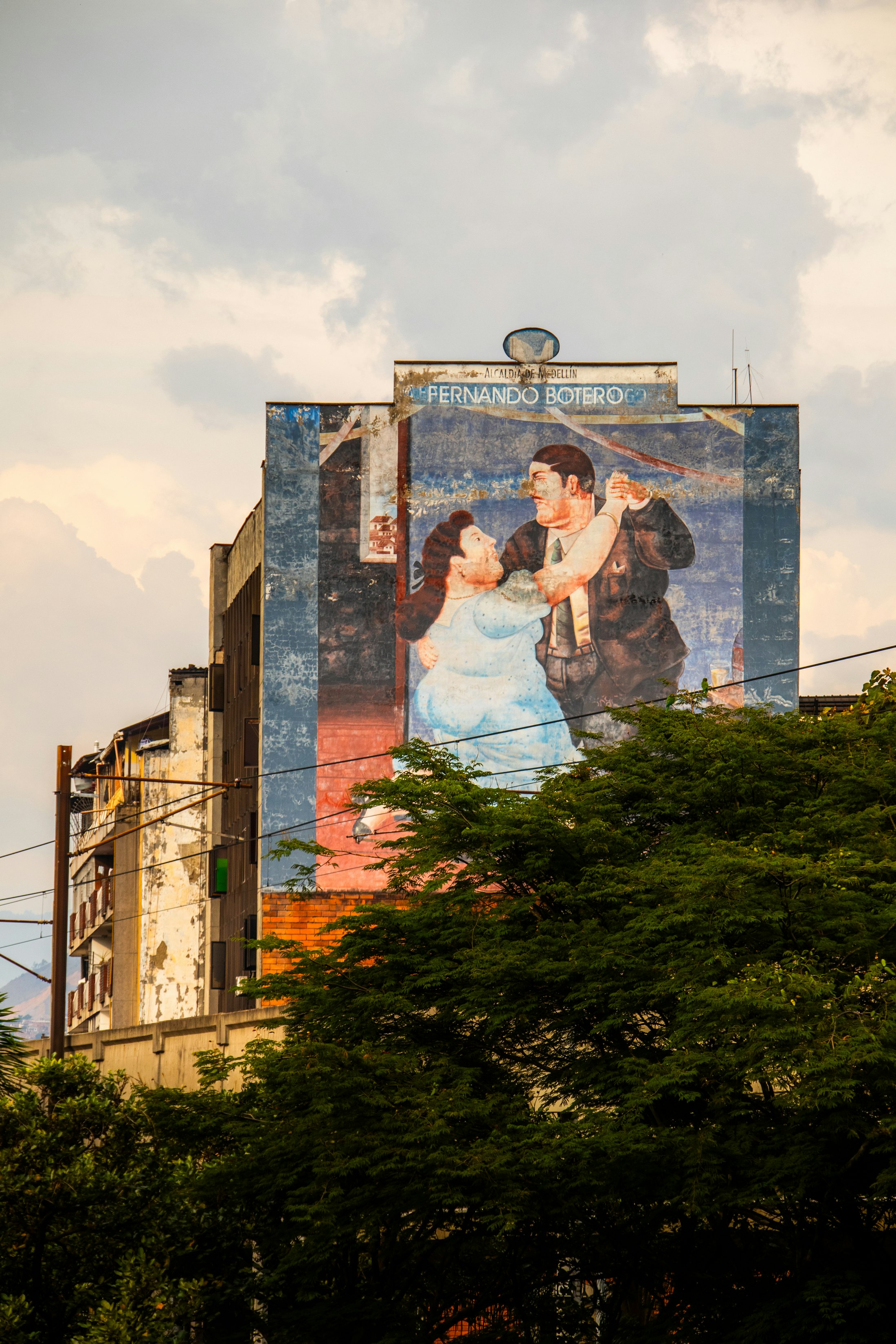
Barrio Boston sits east of El Centro, climbing the slope above Parque de Boston toward the steeper grades of Buenos Aires and Miraflores. A ten-minute cab ride from Parque Lleras — maybe fifteen if your driver takes Carrera 45 during school pickup — but it operates on a different frequency. The music is harder. The salsa is the Fania Records kind, not the romantic stuff tourists expect. And the balconies, stacked tight along streets like Calle 54 and Carrera 38, fill up every afternoon once the rain rolls in.
1. The silleteros don't live in Santa Elena anymore
Most travel writing about Medellín's silleteros — the flower carriers who parade through the city every August during the Feria de las Flores — points you toward Santa Elena, the rural corregimiento where the tradition started. And sure, some families still farm flowers up there. But a lot of the older guys, the ones who carried silletas for thirty or forty years, retired down the hill into neighborhoods like Boston, Buenos Aires, and Enciso where rent stays under 600,000 COP a month for a two-bedroom.
Hernán told me he stopped carrying in 2016 after his knees gave out. He moved to a first-floor apartment on Calle 55 between Carreras 37 and 38, three blocks from Parque de Boston. His neighbor Rodrigo, another retired carrier, lives upstairs. Most afternoons they end up on one balcony or the other, drinking tinto and arguing about whether Héctor Lavoe or Ismael Rivera was the better vocalist. Hernán says Lavoe. He's wrong, but I like him anyway.
You won't find these guys on a walking tour. They're not attractions. But if you sit at Café El Parque on the northeast corner of the park on a weekday morning, order a tinto for 1,500 COP, and wait, you'll hear the stories — about the weight of a commercial silleta (sometimes over 70 kilos), about the Calle 50 route before they rerouted the parade, about the year the rain turned the flowers to pulp.
Pro tip: If you visit during the first week of August, retired silleteros sometimes help younger carriers assemble silletas in garages along Carrera 38. Nobody advertises this. Just walk the street and look for open roller doors with flowers piled inside.
2. Salsa dura on a Tuesday afternoon
Skip the salsa bars in Parque Lleras. I'm serious. Most of them play crossover pop with a conga line bolted on, charge 25,000 COP cover, and the dance floor smells like Red Bull and regret.
Barrio Boston has a handful of spots where the music actually hurts in the good way — the brass stabs of salsa dura from the '60s and '70s, New York and Puerto Rico on scratched vinyl. The one I keep going back to is a place on Carrera 38 south of Calle 54, identifiable by a faded mural of Celia Cruz on the side wall. Locals call it "La Celia" but I'm not sure it has an official name. It opens around 3 p.m. most days. By 4, the rain has driven everyone inside, and by 5, somebody's dancing.
Beers run about 5,000 COP for a Club Colombia. Aguardiente by the shot is 4,000 COP. No menu. No website. The speaker system looks like it was assembled from parts of three different decades, and the bass distorts above a certain volume, which it always reaches.
I made the mistake of requesting a Marc Anthony song my first time there. The bartender looked at me like I'd asked for ketchup on a bandeja paisa.
Pro tip:Tuesday and Wednesday afternoons draw an older crowd — mostly retirees who actually danced salsa dura in the '70s. Weekends skew younger and louder, which isn't necessarily better.
Stay in Medellín
Top-rated hotels near Medellín
Best locations · Verified reviews · Free cancellation
View deals
Expedia →3. What to eat when nobody's trying to impress you
Boston's food is working-class Antioqueño. Corrientazos — the set lunch plates you see advertised on handwritten signs outside storefronts — run 12,000 to 15,000 COP and come with soup, rice, beans, a protein, plantain, and a juice. The best one I've had in the neighborhood is at a place two doors south of the Parque de Boston church on the east side of the park. No sign I could see. The señora running it serves until the pot's empty, usually by 1:30 p.m.
For breakfast, the panaderías along Calle 54 sell pandebono and buñuelos for 1,000-2,000 COP each. Grab them hot. The ones sitting in the case since 6 a.m. taste like drywall by 9.
Don't bother with the empanada cart on the south side of the park. Everyone recommends it because it's the most visible one, but the filling is mostly potato with a rumor of meat. The empanadas from the window counter on Carrera 37, half a block north of Calle 53, are smaller but honest — crisp shell, actual ground beef, served with a lime-green ají that clears your sinuses. 1,500 COP each.
4. Rain, elevation, and why you need a hoodie after 3 p.m.
Medellín sits at about 1,500 meters. Boston is maybe 50-80 meters above the valley floor, enough to feel a degree or two cooler than El Poblado when the clouds come in. Afternoon rain is near-daily from April through May and again from September through November. Not a drizzle — a vertical wall of water that lasts 45 minutes to two hours, then stops like someone turned off a faucet.
Bring a light rain jacket. Not an umbrella — the streets are steep, the sidewalks narrow, and you'll be fighting the wind. A packable shell you can stuff in a daypack works better.
Mornings are the best time to walk the neighborhood. By 10 a.m. you'll have sun on the eastern-facing balconies, the light is warm, and the streets are dry. After the rain clears, usually around 4:30 or 5, the temperature drops to maybe 18°C and the balconies fill back up. That window between 5 and 6:30 — wet pavement reflecting storefront lights, music leaking from upstairs windows, the smell of arepas on a plancha somewhere you can't quite find.
Pro tip:The weather app on your phone will say "thunderstorms all day." It's lying. Mornings are almost always clear. Plan outdoor walking before noon and indoor eating and drinking for the afternoon.
5. Getting there and getting around without losing your mind
From El Poblado, a taxi to Parque de Boston costs 12,000-15,000 COP depending on traffic. Uber runs about the same. The ride takes 10-15 minutes via Avenida El Poblado to Calle 50, then east up the hill. From Laureles, figure 20-25 minutes and 18,000-22,000 COP.
The Metro station closest to Boston is Parque Berrío on Line A, about a 15-minute uphill walk east from the station. A real hill — probably 200 feet of elevation gain on Calle 54 — so wear actual shoes, not the sandals y'all packed for the pool.
Within the neighborhood, walk. The grid is mostly intact, Carreras run roughly north-south and Calles east-west, and the blocks are short. Motos zip through at unpleasant speeds on Carrera 38, so look both ways and then look again.
Boston is safe during the day, but it's not El Poblado. Don't flash expensive cameras around at night, stick to lit streets after dark, and trust the general vibe of the block you're on. If a street feels empty at 9 p.m., take a different one. Common sense, not paranoia.
Pro tip:Ask your taxi driver to drop you at "el parque de Boston" — the park is the neighborhood's anchor point and everyone knows it. Giving a street address sometimes confuses drivers from other parts of the city.
Stay in Medellín
Top-rated hotels near Medellín
Best locations · Verified reviews · Free cancellation
View deals
Expedia →Essential tips
Afternoon rain (2-4 p.m.) is near-guaranteed April-May and September-November. Schedule outdoor time before noon and let the rain push you into a balcony bar or corrientazo lunch spot.
Boston runs on cash. Most tiendas, corrientazos, and salsa bars don't take cards. Pull pesos from the Bancolombia ATM on the west side of Parque de Boston before you start wandering.
The streets are steep and the sidewalks are narrow, cracked, and slippery when wet. Leave the fashion sneakers at the hotel. Grippy soles matter here.
English is rare in Boston. Even basic Spanish — 'un tinto, por favor' and 'cuánto vale' — goes a long way. Pointing at what someone else is eating works too.
Ready to visit Medellín?
Book your hotel, flights, and activities through our Expedia-powered search.


