In This Guide
- 1.Why a cemetery, and why this one
- 2.The apprentices are younger than you'd expect
- 3.Skip the Feria de las Flores parade grandstands
- 4.The fog as collaborator
- 5.Getting into Aranjuez without a guide
- 6.What to eat while you're up there
- 7.The silleta as argument, not decoration
- 8.When to go, and when to stay away
The first time I climbed into Aranjuez before dawn, a June fog had swallowed everything below Calle 92. I could smell the flowers before I could see them — carnations, chrysanthemums, the green bite of freshly cut fern. Somewhere behind a concrete wall, a man was teaching his twelve-year-old son how to wire a silleta frame, and the kid kept dropping the pliers.
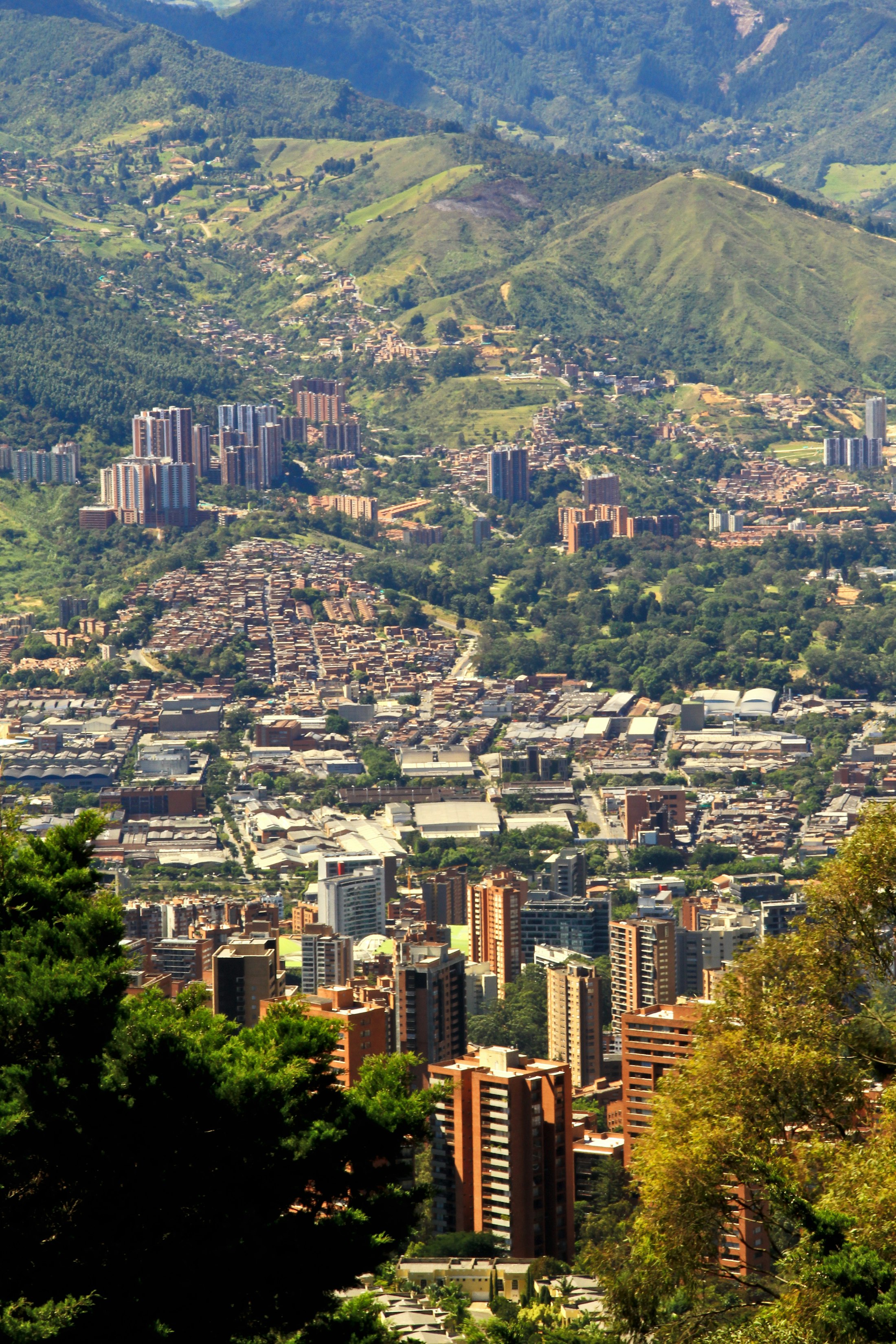
Aranjuez doesn't appear on most Medellín itineraries. The neighborhood sits in the northeastern hills of the city, above the old railway corridor, and its cemetery — Cementerio Universal — has become an unlikely classroom. In the weeks before the Feria de las Flores each August, silletero families from Santa Elena and surrounding veredas come here to source flowers, test arrangements, and pass techniques to the next generation. But the real training happens earlier, in June, when the fog rolls thick and the pressure is off.
1. Why a cemetery, and why this one
Cementerio Universal has operated since 1933, and its flower vendors have been there nearly as long. The stalls along the cemetery's outer wall — running down Carrera 47 toward the Carabobo corridor — sell wholesale blooms at prices that make the tourist-facing shops in El Poblado look predatory. A dozen carnations here costs around 5,000 COP. The same bunch near Parque Lleras runs 18,000 or more.
Silleteros need volume. A single silleta can require 60 to 80 pounds of flowers, and the families who compete in the Desfile de Silleteros have been sourcing from these vendors for decades. The relationship is transactional but familiar — vendors know which families prefer certain stem lengths, which ones want their roses still tight in bud.
The cemetery itself is secondary to the story. You can walk through it, and the older sections have sculptural headstones worth a slow look, but the real draw is outside, along the vendor wall, especially on weekday mornings between 6 and 9 a.m.
Pro tip: Arrive by 7 a.m. on a Tuesday or Wednesday. Weekend mornings bring funeral traffic and the vendors get distracted. Weekday dawns are when the silletero families actually show up to buy.
2. The apprentices are younger than you'd expect
Most coverage of the Feria de las Flores focuses on the parade itself — the finished silletas, the crowds along Avenida Guayabal, the spectacle. What gets missed is that silletero knowledge is hereditary and starts early. Kids as young as eight or nine learn to strip thorns, gauge stem flexibility, and understand which flowers hold color under sun versus which ones collapse by noon.
In June, the training intensifies. Families build practice frames — smaller than competition silletas, maybe two feet across — and the apprentices assemble trial arrangements that get critiqued, dismantled, and rebuilt. I watched a grandmother on Carrera 47 reject her granddaughter's placement of yellow pompom chrysanthemums three times before nodding. No praise. Just a nod and a move to the next quadrant of the frame.
This isn't performative culture. Nobody sets it up for visitors. If you go, you're a bystander, and that's the right posture.

Stay in Medellín
Top-rated hotels near Medellín
Best locations · Verified reviews · Free cancellation
View deals
Expedia →3. Skip the Feria de las Flores parade grandstands
I know this is heresy. The Desfile de Silleteros is the centerpiece of Medellín's biggest cultural event, and every guide will tell you to book grandstand seats months in advance. Tickets for the seated sections along the route run between 80,000 and 250,000 COP depending on the year and the section.
Here's the problem: you see the silletas for about four seconds each as the carriers pass. The crowd noise drowns out commentary. The sun is relentless. And the grandstand experience reduces something deeply personal — a family's year of work — to a parade float glimpsed from a plastic chair. I'd rather spend that morning in Santa Elena at the finca of a silletero family, where you can see the silleta up close before it gets loaded onto a truck. Several families accept visitors in the days before the parade; ask at the Casa de la Cultura in Santa Elena for current contacts.
The parade is fine if you stand along the free sections of the route on Carrera 70, closer to the Estadio. But the paid grandstands? Not worth the money.
Pro tip:The Casa de la Cultura de Santa Elena is on the main road into the vereda, roughly 40 minutes by bus from the San Antonio metro station. There's no formal booking system — you show up, you ask.
4. The fog as collaborator
June in Medellín's northeastern hills brings a specific kind of morning fog — low, wet, cool enough to make you zip up a jacket. It burns off by 10 a.m. most days. The silleteros I've spoken with say the fog matters because it keeps cut flowers hydrated longer during outdoor work sessions. One vendor on Carrera 47, a woman named Doña Luz who's been selling chrysanthemums for over thirty years, told me that June fog adds half a day to a flower's useful life after cutting.
Whether that's botanically precise, I can't say. But it explains the timing. The serious practice work happens in June and early July, not in August when the parade looms and the pressure turns logistical.
5. Getting into Aranjuez without a guide
Aranjuez is accessible by metro. Take Line A to the Caribe station, then walk east up Calle 92 for about twelve blocks. The cemetery is hard to miss — it occupies several blocks between Carreras 47 and 49. The walk takes 20 to 25 minutes and passes through residential streets that are safe during daylight hours.
Don't bother with the organized "flower tours" that some hostels in El Poblado promote. They bus groups to Santa Elena for a staged silleta photo op, charge 120,000 to 180,000 COP, and skip Aranjuez entirely. The cemetery vendors aren't on any tour circuit, which is precisely why the interactions feel real.
If you want a local contact, the neighborhood junta de acción comunal sometimes connects visitors with community guides who know the silletero families personally. No fixed fee — a voluntary contribution of 30,000 to 50,000 COP is reasonable.
Pro tip:Carry small bills. The flower vendors don't have change for 50,000 COP notes, and mobile payment adoption at these stalls is minimal.
Stay in Medellín
Top-rated hotels near Medellín
Best locations · Verified reviews · Free cancellation
View deals
Expedia →6. What to eat while you're up there
Aranjuez has a handful of panaderías and cafeterías along Calle 92 that cater to cemetery visitors and morning workers. None of them are trying to impress anyone. The pandebonos at the bakery near the corner of Calle 92 and Carrera 49 are dense and salty in the way paisa baking tends to be — not the airy Caleño version — and they cost 1,500 COP each.
For a full breakfast, look for a corrientazo joint serving calentado paisa: reheated beans and rice with an arepa, egg, and chicharrón. Expect to pay 8,000 to 12,000 COP. Solid and filling before a morning in the fog.
Don't expect the coffee to be above average. Bring your own thermos if you're particular.
7. The silleta as argument, not decoration
There's a common misreading of the silleta tradition that treats it as folk art — quaint, decorative, frozen in time. That undersells what's actually happening. The competitive silletas, especially in the "monumental" and "emblemática" categories, are deliberate arguments. They address displacement, water rights, deforestation, peace accords. A silleta in the 2019 parade depicted the Hidroituango dam crisis using only native flowers. Another in 2022 memorialized victims of forced disappearance.
The apprentices in Aranjuez absorb this. They're not just learning floral arrangement. They're learning how to say something with flowers that can't be easily ignored when carried on your back through a crowd of half a million people. The maker carries the weight. Literally.
8. When to go, and when to stay away
June is the sweet spot. The apprentices are active, the fog cooperates, and you won't compete with Feria crowds.
July works too, though the energy shifts toward logistics — sourcing, pricing negotiations, transport planning. August, during the Feria itself, is chaos in the best and worst senses. Aranjuez's flower vendors sell out of stock repeatedly. Prices spike. The cemetery periphery fills with temporary sellers of varying quality.
Stay away during Semana Santa and the days immediately following Día de la Madre (second Sunday of May). The cemetery and its surroundings overflow with grieving families, and your presence as a curious foreigner is, at best, poorly timed. Read the room.
Pro tip:If you visit in June, layer up. Morning temperatures in the upper reaches of Aranjuez can drop to 15°C, and the fog makes it feel cooler. By 11 a.m. you'll be peeling layers off.
Essential tips
Metro Line A to Caribe station, then walk east on Calle 92. Budget 25 minutes for the uphill walk to the cemetery wall vendors.
Don't touch the flowers on display without asking. Vendors are selling to silletero families who need specific stem conditions — a bruised petal is a real problem.
Ask before photographing apprentices or their practice frames. Most families will say yes, but some consider their designs proprietary before the August competition.
June mornings often bring drizzle after the fog lifts. A compact rain jacket is more useful than an umbrella on the narrow vendor-lined sidewalks.
Ready to visit Medellín?
Book your hotel, flights, and activities through our Expedia-powered search.